
Last updated October 16, 2026
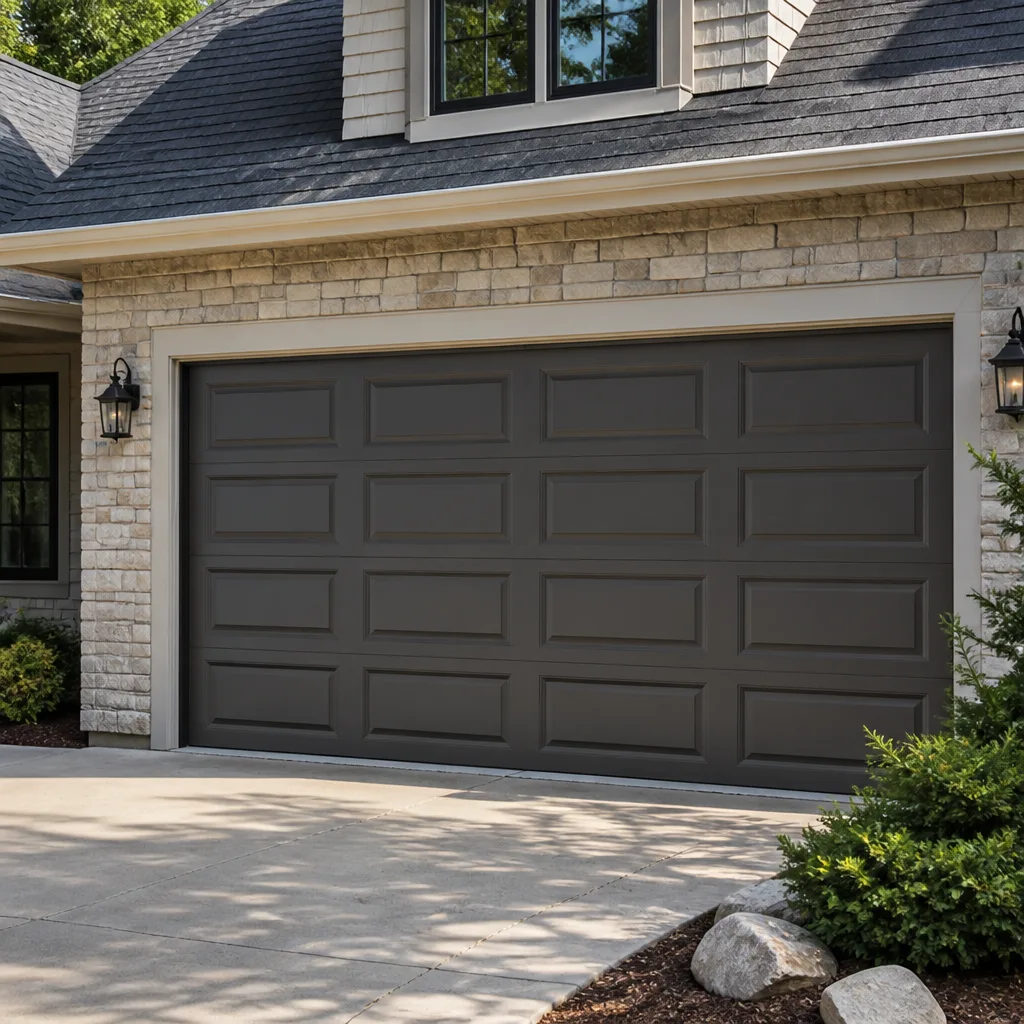 Raised-panel steel
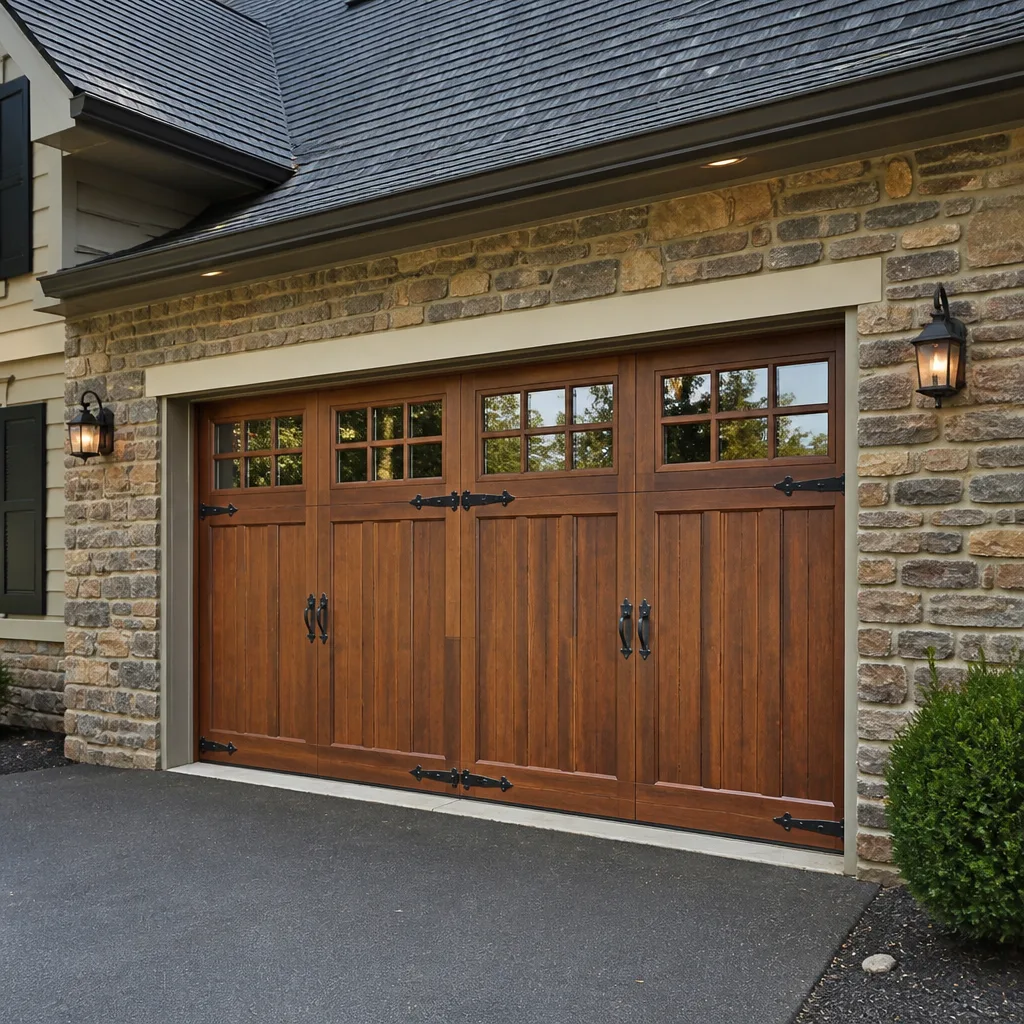 Carriage house
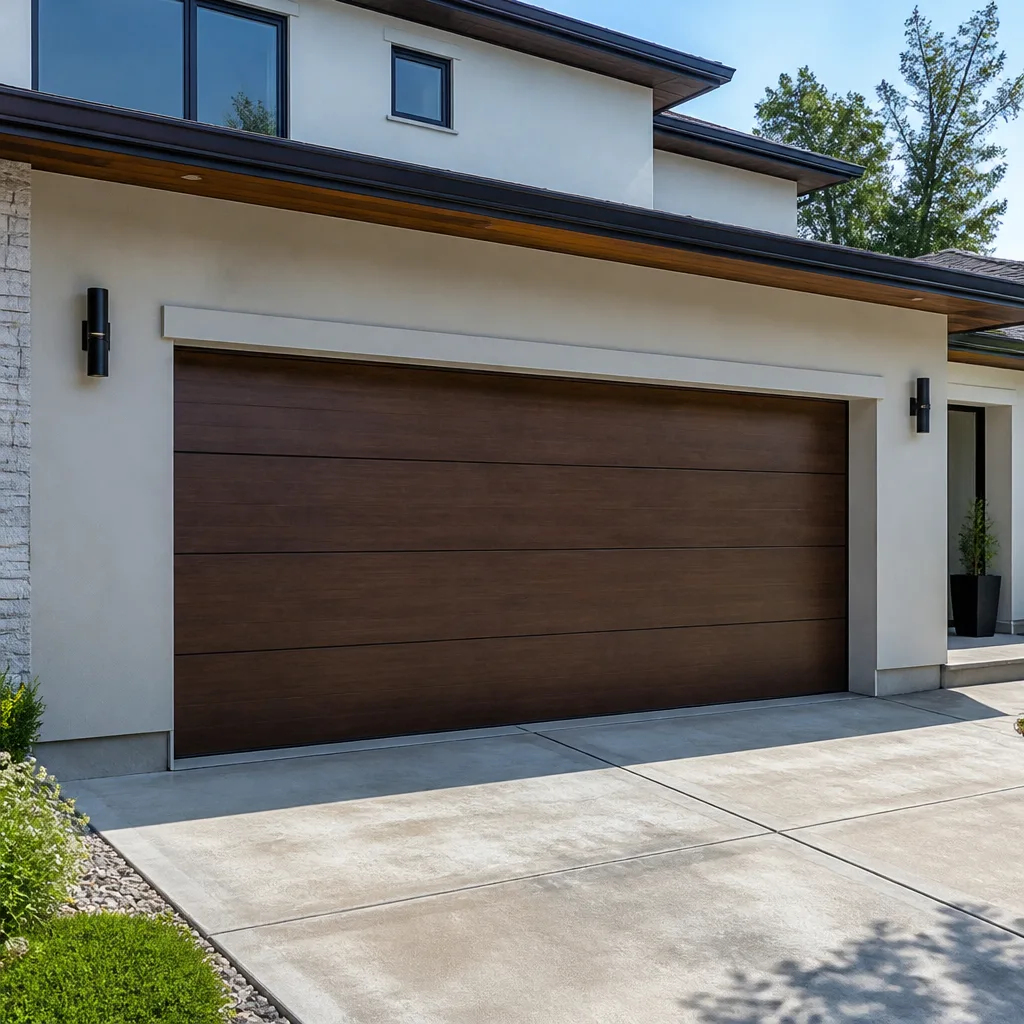 Modern flush
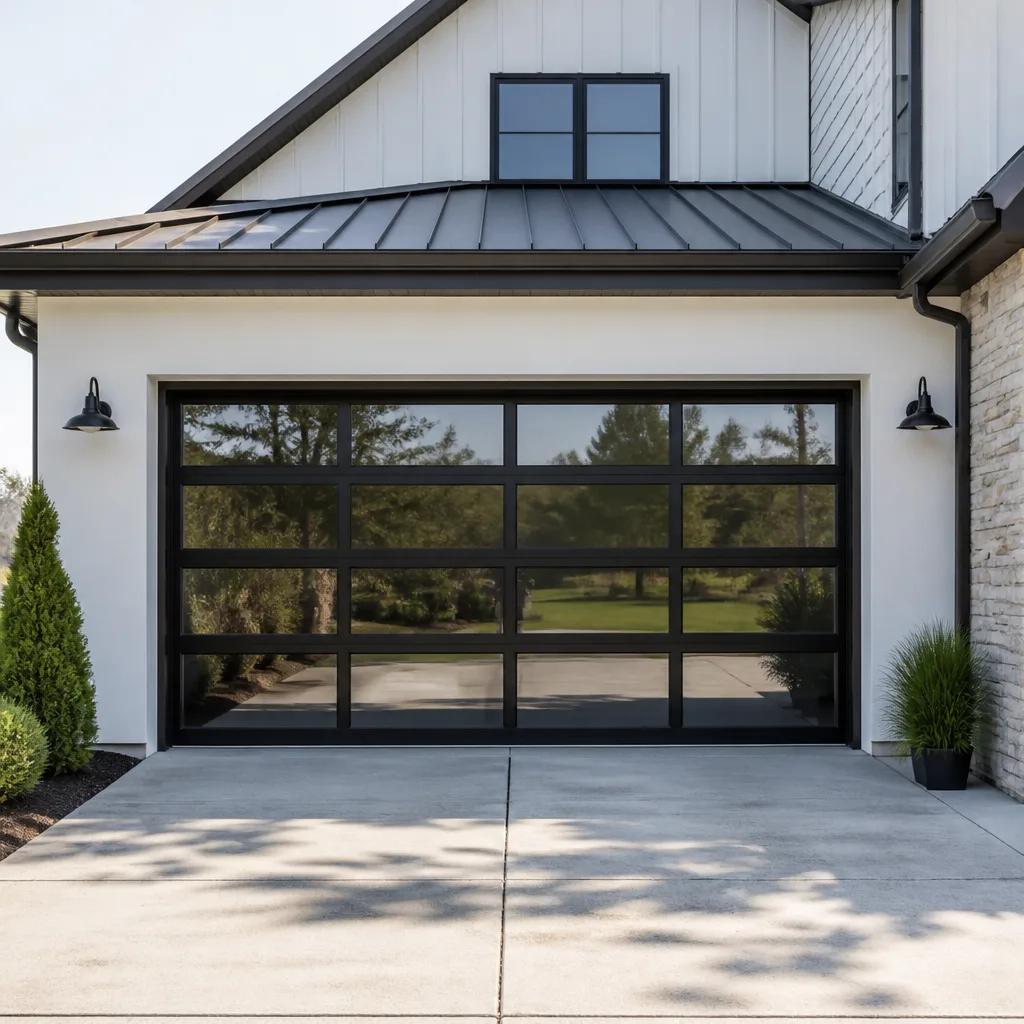 Full-view glass
 LiftMaster openers
 Chamberlain openers
Full 25-point door and opener safety check with every visit - springs, cables, rollers, tracks, and your LiftMaster or Chamberlain opener included
You get a price before we start. It does not change when the truck arrives.
Get your free estimateSeasonal Garage Door Care for New York: Year-Round Homeowner’s Guide
The door that sticks on a humid August morning and the door that won’t close on a January night are usually failing for opposite reasons. One is expanding wood or swollen weatherstripping. The other is a contracted metal track or a frozen bottom seal. Treating them with the same fix makes both worse. This guide-along with our The Complete Guide to Garage Door in New York-breaks down what New York weather actually does to your garage door, season by season, so you can catch problems before they become repair bills.
Styles & brands we work with
Quick Answer
Seasonal garage door care in New York means four distinct maintenance routines per year, not one annual checkup. Each season stresses different components: winter attacks metal tracks and torsion springs, spring thaw exposes water damage, summer swells wood panels and degrades rubber seals, and fall is the critical window for pre-winter hardware lubrication and alignment. A homeowner who follows this seasonal rhythm will typically spend 2-3 hours per year on maintenance and avoid most emergency repair calls.
Table of Contents
- Winter: The Freeze-Thaw Cycle and What It Does to Your Door
- Spring Thaw: Inspecting Your Floor and Bottom Seal Before Water Follows
- Summer Humidity: Keeping Wood Panels and Hardware Working in July Heat
- Fall Preparation: The Highest-Leverage Maintenance Window
- How to Adjust a Limit Switch When Temperatures Shift
- The Right Lubricants for Every Part (and What to Avoid)
- Common Mistakes to Avoid
- When to Call a Professional
- Frequently Asked Questions
- The Bottom Line
Winter: The Freeze-Thaw Cycle and What It Does to Your Door
New York winters don’t just drop the temperature. They cycle it. A door that works at 9 a.m. when it’s 28 degrees may bind at 6 p.m. when it’s 18 degrees. Metal contracts as temperatures fall. That contraction pulls the vertical tracks inward by fractions of an inch. Those fractions matter. The rollers that glided freely at noon start scraping the track walls by evening.
We’ve seen this across New York neighborhoods every year. The four hardware points most likely to fail between December and February are:
- Track bolts and mounting brackets. Repeated contraction and expansion works bolts loose. A track that shifts even an eighth of an inch changes the door’s path. Check all bolts with a wrench in late November.
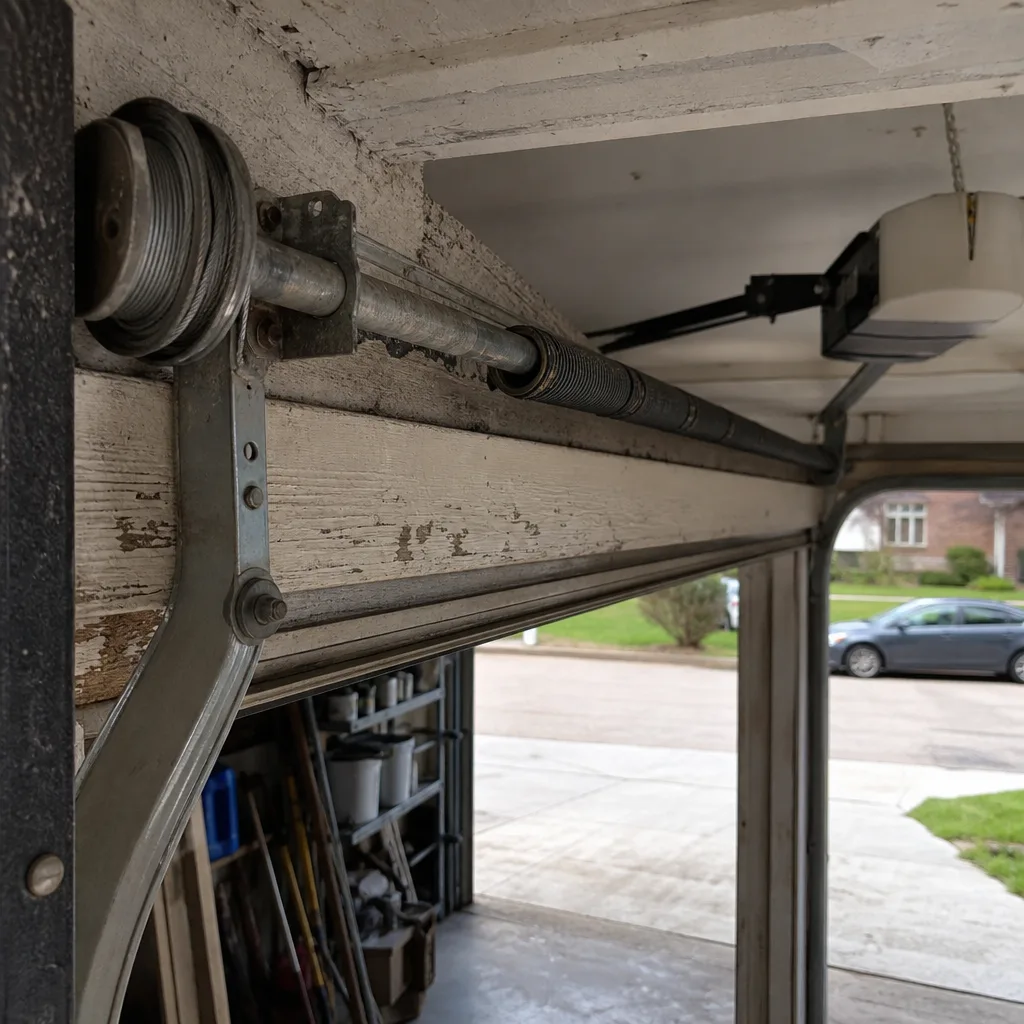
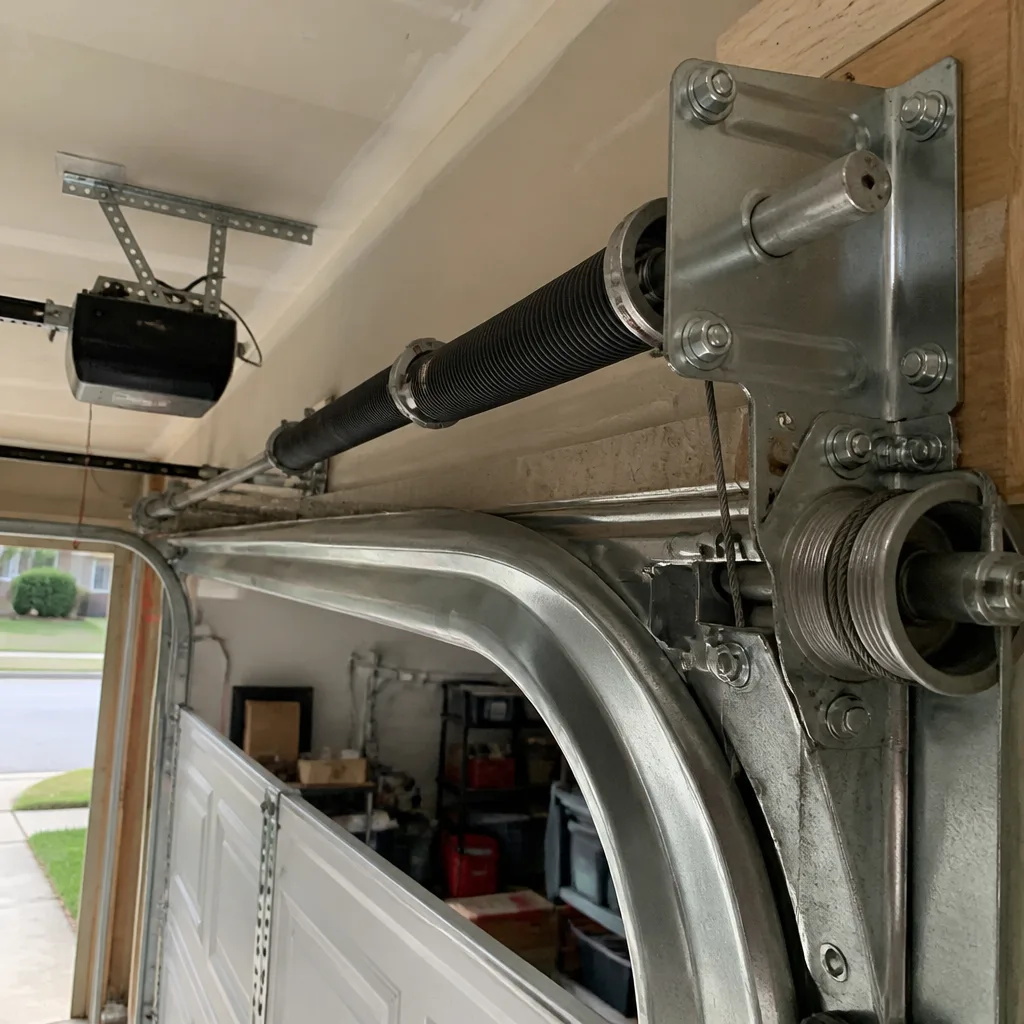
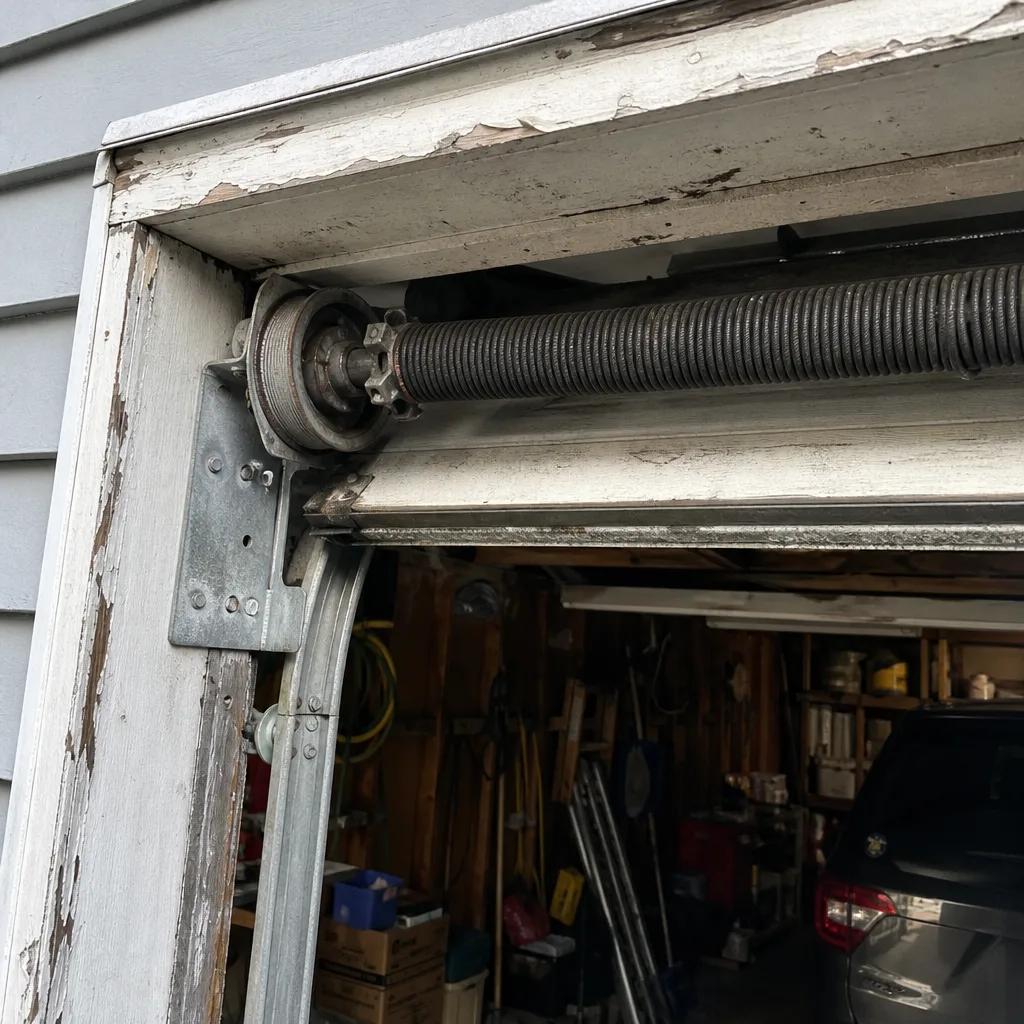
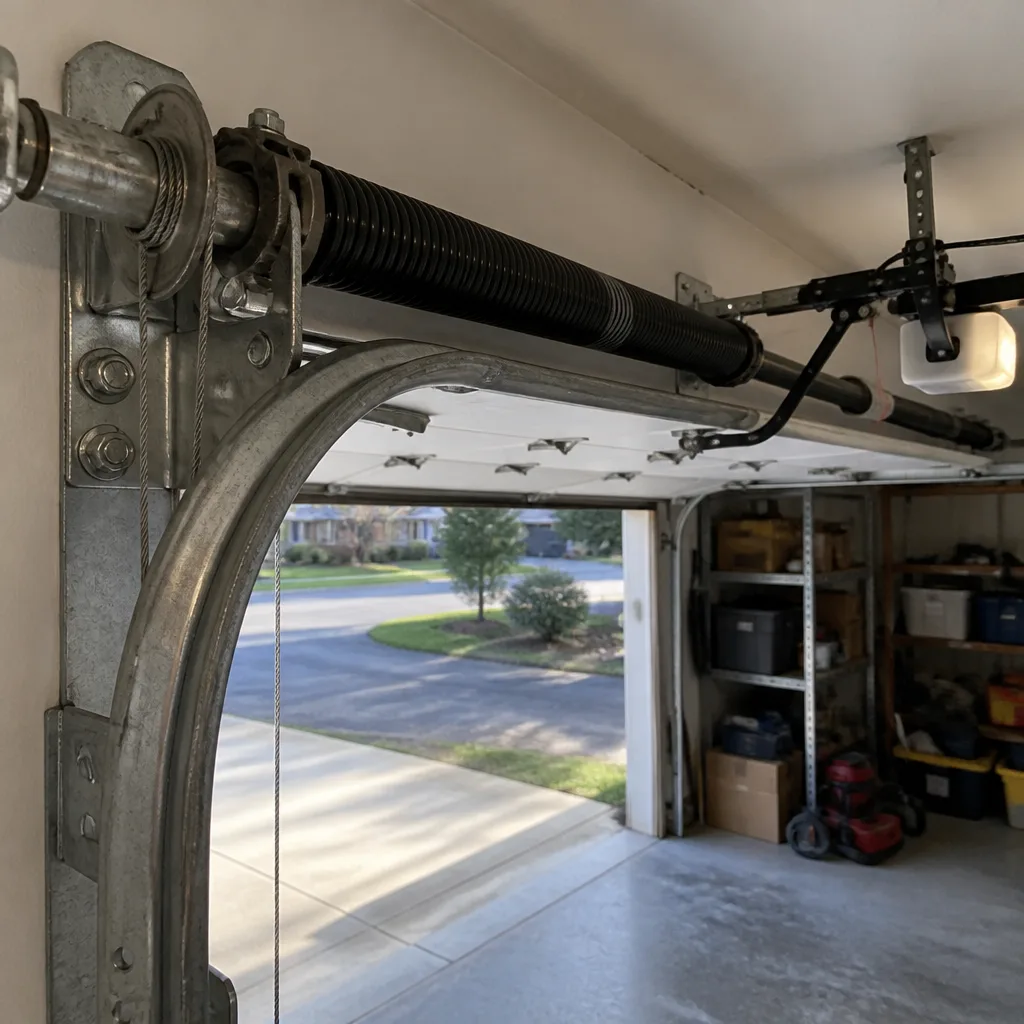
- Torsion spring coils. The torsion spring, which is the heavy coil mounted above the door that handles most of the lifting weight, loses flexibility in cold weather. Colder metal is more brittle. Springs under tension in freezing temperatures are working harder with less give.
- The bottom seal. When the rubber bottom seal freezes to the concrete floor, the opener strains against the bond. That strain can trip the opener’s force sensor, causing the door to reverse.
- Opener belts and chains. Cold makes rubber belts stiffer and causes chains to contract. Neither fails silently. You’ll hear a deeper groan or a rattle that wasn’t there in October.
What to Do Before the First Freeze in New York
- Tighten every bolt you can see. Use a socket wrench on track brackets, hinges, and the opener rail. Don’t over-torque. Snug is enough.
- Inspect the torsion spring visually. Look for a small gap appearing in the coil. A gap means the spring is developing a crack and will eventually snap. If you see one, call a professional. High-tension springs are genuinely dangerous to work on without proper tools and training.
- Coat the bottom seal with a thin layer of silicone spray. This prevents the seal from bonding to frozen concrete. Reapply monthly through March.
- Test the opener’s force reversal. Place a 2×4 flat under the door and close it. The door should reverse within a second or two of contact. If it doesn’t, the force setting needs adjustment.
If a door becomes genuinely stuck in freezing weather, the first correction is to check whether the bottom seal is frozen to the floor. A careful tap with a rubber mallet along the seal line will usually break the bond. If the door still won’t move, the problem is likely in the tracks or the spring assembly, and forcing the opener will do real damage. Here in New York, the smartest move at that point is to call a garage door repair in New York company that keeps a live person on the phone around the clock. If a spring has started to crack, running the opener is like pulling on a frayed rope.
Spring Thaw: Inspecting Your Floor and Bottom Seal Before Water Follows
March and April in New York bring temperature swings of 30 degrees or more in a single day. Snow melts into puddles by noon. That water runs toward the lowest point of the garage slab, which is almost always the door line. The condition of your bottom seal and the level of your concrete floor determine whether that meltwater stays outside or pools inside.
Winter cycling damages concrete garage floors in specific ways. Freeze-thaw action pushes any trapped moisture outward as it expands, which chips and spalls the surface layer near the door. This shows up as pitted or flaking concrete along the first two feet of the slab. Once the surface is pitted, the bottom seal can’t compress evenly. Gaps open. Water gets through.
Spring Inspection Steps
- Run a hose along the closed door line. Wait three minutes. Step inside and look for wet streaks on the floor. If you see them, mark the location with tape.
- Slide a dollar bill under the bottom seal. It should drag with resistance, not slide freely. If it moves without friction, the seal has compressed and needs replacement.
- Check for spalling. Tap the concrete with a rubber mallet near the door line. A hollow tick means the surface has debonded and water is already working underneath.
- Inspect the bottom seal track. On most New York garage doors built in the last 20 years, the seal slides into an aluminum retainer at the bottom of the door. That retainer gets bent when snow shovels smack against it. Straighten it with pliers or replace it if creased.
Replacing a bottom seal is a 20-minute job for most homeowners, and the seal itself costs $25 to $60 at most hardware stores in New York. But if the concrete is spalled or the retainer is badly bent, the fix is more involved. A bad concrete surface needs a patching compound and a week of cure time before a new seal will ever sit flush. A badly bent retainer usually means replacing the entire bottom panel’s hardware. At that point, a written quote from a pro is worth getting. At Bramwell Garage Doors New York, we give you a written price before any work starts. The number on the invoice and the number we discussed are the same number, every time.
Summer Humidity: Keeping Wood Panels and Hardware Working in July Heat
New York summers are humid. Not New Orleans humid, but humid enough that July and August heat indexes regularly cross into dangerous territory for both people and wood. Wood-panel garage doors absorb moisture from the air. The stiles and rails expand. That expansion pushes panels outward against the vertical tracks, which causes the door to bind. The same door that ran smoothly in May may shudder and stick in August.
What swells, what warps, and what actually needs adjustment versus replacement:
- Wood panels swell across their width, not their length. That means the vertical side edges press outward against the track brackets. The fix is usually track adjustment, not panel replacement.
- Wood panels warp when one face absorbs more moisture than the other. A warped panel won’t lie flat in its frame. You’ll see daylight through the seams between panels. Warping is rarely reversible. Replacement is the honest fix.
- Weatherstripping swells and then gets pinched between the panel edges and the track. Pinched weatherstripping tears. Torn weatherstripping lets water and hot air in.
- Steel hardware rusts faster in humid heat, especially in coastal New York neighborhoods where salt air is a factor. Hinges and rollers need more frequent lubrication from June through September.
What to Do in July and August
- Open and close the door by hand once a month. Pull the release cord and operate the door manually. It should move with steady effort, about 10-15 pounds of pull. If it binds, mark where.
- Lubricate the hinges and rollers with a silicone-based lubricant or white lithium grease. LiftMaster and Genie openers both specify non-petroleum lubricants. Avoid WD-40 as a lubricant. It’s a solvent and will actually remove the grease your hinges need.
- Check the weatherstripping along the door edges. If it’s cracked or compressed, replace it. Heat-softened rubber tears more easily in the summer, and a torn seal in August is a frozen garage in January.
- If you have a wood door and it binds, attempt track adjustment before you consider panel work. Loosen the track bolts, shift the track outward a quarter-inch, and retighten. Test. This resolves the majority of summer binding calls we run in New York.
Wood doors from Clopay and Amarr are engineered to handle humidity better than older solid-wood doors, but even they benefit from annual sealing. Re-stain or re-seal a wood door every two to three years. The time to do it is early fall, after the humid season ends and before the rainy season begins.
Fall Preparation: The Highest-Leverage Maintenance Window
October is the one month in New York where an hour of attention prevents the most expensive winter failures. The weather is dry and mild. Nothing is frozen. Nothing is swollen. A door that’s aligned and lubricated in October is far more likely to run clean through February.
This is where most New York homeowners miss the point. They wait until the door acts up in December, when a technician is balancing on ice and the parts are brittle. The smart play is to fix the hardware before the cold sets in. Here’s the October list, in order of impact:
The October Checklist
- Lubricate everything that moves. Hit every hinge, every roller, the torsion spring coils, and the opener rail. Five minutes. This one step eliminates more winter service calls in New York than anything else.
- Tighten the full bolt set. Track brackets, hinges, spring anchors, opener mounting. A socket set and ten minutes. Loose hardware is the root cause of most misaligned doors.
- Test the auto-reverse. With the door open, place a roll of paper towels under the door and close it. The door should reverse within a second of contact with the roll. If it doesn’t, the force sensor needs adjustment.
- Inspect the torsion spring gap. Look for any separation between coils. A small gap is the earliest warning sign of a spring failure. Most torsion spring replacements in the New York market run $150-$280, parts and labor included. Catching the gap in October means you can schedule the replacement on your timeline, not as an emergency on a 15-degree Saturday night.
- Check the balance. Disconnect the opener and manually lift the door to the halfway point. Let go. The door should stay put. If it drops, the spring tension is off and you’re one hard freeze away from a door that won’t open.
- Clean and inspect the photo-eye sensors. Dust, spider webs, and lawn debris build up on the lenses. Wipe them with a dry cloth and make sure the alignment light is steady.
If the balance is off or the spring shows a gap, do not attempt spring work yourself. Torsion springs under tension can release enough energy to cause serious injury. This is the one component on a garage door where the right answer is always a trained technician. The rest of the October list is within reach for most New York homeowners.
How to Adjust a Limit Switch When Temperatures Shift
The limit switch is the component that tells the opener how far the door should travel in each direction. It’s the reason the door stops exactly at the floor instead of trying to keep going, and stops exactly at the top instead of slamming the rail. In New York, seasonal temperature swings alter this setting in two predictable ways. Cold weather makes the metal rail contract, which changes the carriage’s stopping point by a fraction of an inch. Hot, humid weather can cause the door to swell slightly, which shifts the close point upward. The result is a door that reverses off the floor, or one that hesitates at the top and then drops an inch.
Adjusting the Limit Switch Step by Step
- Disconnect the opener from power. Unplug it from the ceiling outlet. This is a low-risk adjustment, but there’s no reason to do it live.
- Locate the limit switch adjustment. On most LiftMaster and Chamberlain openers, it’s a dial or a set screw on the side of the motor unit. Genie openers put the controls behind a small cover panel on the back of the unit. Older models use two threaded screws: up travel and down travel.
- Make a small adjustment. Turn the up-limit screw or dial by a quarter turn, no more. The same for the down-limit if the door is under-closing. Small changes first.
- Plug the opener back in and test. Run a full cycle. If the door now stops cleanly at the floor and at the top, you’re done.
- If the door still under-closes or reverses, make one more small adjustment in the same direction. Resist the urge to turn the screw a full turn or more. A quarter turn changes the stopping point by about two inches on most opener models.
If the limit switch is set correctly and the door still reverses off the floor in cold weather, the problem is more likely the bottom seal freezing or the force setting being too sensitive. A door that’s fighting a frozen seal will reverse every time, and no limit adjustment will fix it. The seal needs silicone, not the opener a new setting.
The Right Lubricants for Every Part (and What to Avoid)
Not every garage door lubricant is right for every part. Using the wrong product can attract dirt, wash out grease, or damage nylon components. These are the products we use and recommend on service calls across New York:
- Silicone spray is the workhorse. Use it on the bottom seal, the weatherstripping, and the torsion spring coils. It won’t attract dust and it stays effective in cold temperatures.
- White lithium grease is for metal-on-metal contact points: hinges, rollers, and the opener rail. It adheres in place and provides long-term lubrication.
- Garage door roller lubricant from any of the major brands works fine. Clopay makes a purpose-built option that’s compatible with their door lines.
- Avoid WD-40 as a lubricant. It’s a solvent first and a lubricant second. It will strip away the grease on your hinges and leave them dryer than they started.
- Avoid petroleum-based greases. They soften nylon rollers and attract dirt. If the can says “petroleum distillates” on the back, keep it away from the door.
Lubrication is the single most impactful 10-minute maintenance task a New York homeowner can do. It works in every season: it prevents freeze-sticking in winter, eases spring thaw stiffness, holds up under summer humidity, and sets the door up clean for fall.
Common Mistakes to Avoid
- Ignoring the spring until it breaks. A torsion spring with a visible coil gap is still lifting the door today. But it’s a matter of days or weeks, not months. Replacing it before it snaps avoids a door that’s stuck and a much colder wait for service.
- Using the same fix for every season. A door that sticks in August needs track adjustment or cleanup, not the same silicone spray that works in January. Misdiagnosing the season-specific cause wastes the hour and makes the real problem worse.
- Skipping the balance test. Most New York homeowners don’t know how their door should feel when it’s healthy. If the door drops when you release it at the halfway point, the spring is worn, and the opener is doing the spring’s job. That overload shortens the opener’s motor life by years.
- Lubricating with WD-40. It’s the most common mistake we see in New York garages. It smells like maintenance and does the opposite of maintenance.
- Waiting until the door breaks to find a repair company. By then, you’re calling from a cold driveway at 9 p.m. and choosing whoever answers. Finding a Bramwell Garage Doors New York home repair team in October, when nothing is an emergency, means you have the number ready when something becomes one.
- Forcing a stuck door with the opener. If the door won’t move, the opener will keep pulling. That’s how chains snap and gears strip. If the door fights back, disengage the opener and diagnose the resistance by hand.
- Replacing the opener instead of the spring. Openers stop working when they’ve been overworked. In most cases the opener is fine and the spring underneath it is dead. Replacing the opener without addressing the spring is paying twice for one problem.
When to Call a Professional
Most of the maintenance in this guide is safe for a New York homeowner with a socket set and an hour. But there are lines you should not cross. If the torsion spring shows a gap or has snapped, call a pro. The spring is under enough tension to break bone. If the door is off its track, call a pro. Forcing it will bend the panels and turn a $200 realignment into a $900 panel replacement. If the opener is reversing for no reason and the limit switch and force settings aren’t the answer, call a pro. Intermittent problems almost always get worse, not better.
When you do call, you want someone who shows up in the window they promised. Branwell Garage Doors New York gives you a written price before any work starts. The guarantee is written, not spoken. If a covered repair fails within the year, we return and fix it at no charge. For a free estimate in New York, call (585) 669-6563. A live person answers, 24 hours a day, 7 days a week.
Frequently Asked Questions
Most torsion spring replacements in New York run $150-$280, parts and labor included. The exact price depends on the spring size, the door weight, and whether both springs need replacing. A technician should give you a written price before any work starts. Call (585) 669-6563 for an exact quote. Estimates are free.
Yes. Bramwell Garage Doors New York maintains repair availability across the city every day of the week. A live person answers the phone around the clock, and repair calls are typically scheduled into a real arrival window. Call (585) 669-6563 to get a time window rather than an open-ended “sometime today.”
No. The price you hear before the visit and the price on the written quote before work starts are the same number. If the technician finds additional problems during the repair, those are quoted separately and only proceed with your approval. This is the Kingswell standard, and every Bramwell location works to it.
Yes. Bramwell trucks in New York stock the most common torsion springs, extension springs, cables, rollers, hinges, and bottom seals for the brands we service, including Clopay, Amarr, Wayne Dalton, Genie, and LiftMaster. The majority of repairs are completed on the first visit. Call (585) 669-6563 to describe your door and we’ll confirm the parts are on the truck before we arrive.
Every three months. That’s four times per year, matching the seasonal rhythm that this guide describes. Silicone spray on the spring coils and the bottom seal. White lithium grease on the hinges and rollers. Ten minutes per session. The cost of the products is under $20 for a year’s supply.
The 365-Day Done Right Promise means if a covered repair fails within a year of the original service date, Bramwell returns to correct it at no charge. The promise is provided in writing with every single job. Ask your technician exactly what the guarantee covers and for how long. It’s not said at the door. It’s written on the quote and the invoice.
If the door itself is sound, meaning the panels are intact, the tracks are straight, and the door balances properly, replacing the spring is almost always the better economic decision. A new door is a larger investment and is only the right answer when the panels are warped, the door is dented beyond cosmetic repair, or you want to change the door’s insulation or appearance. For an honest read on which path makes sense for your New York home, call (585) 669-6563 for a free estimate. We’ll tell you if the door has years left in it, even if that means recommending a smaller repair over a bigger sale.
The Bottom Line
New York treats a garage door the way it treats its roads. The freeze-thaw cycle pounds it in winter, the thaw exposes the damage in spring, the humidity works on it in summer, and fall is the window to fix everything before the cycle starts again. Homeowners who follow this four-season rhythm spend 2 to 3 hours per year on maintenance and avoid the majority of the emergency calls that plague the owner who waits for the door to tell them something is wrong; for year-round help, explore our more guides & resources. And when a repair does require a professional, the difference between a Bramwell call and a guess-and-hope is the difference between a written price and a door-step surprise. The Kingswell standard has been the same since 2001: say the price before the work, show up in the window, leave the place cleaner than we found it, put the guarantee in writing, and come back if it fails. Those five things work in every season.
Written by Marcus Ellery, Owner at Bramwell Garage Doors New York, serving New York since 2001.
See the difference
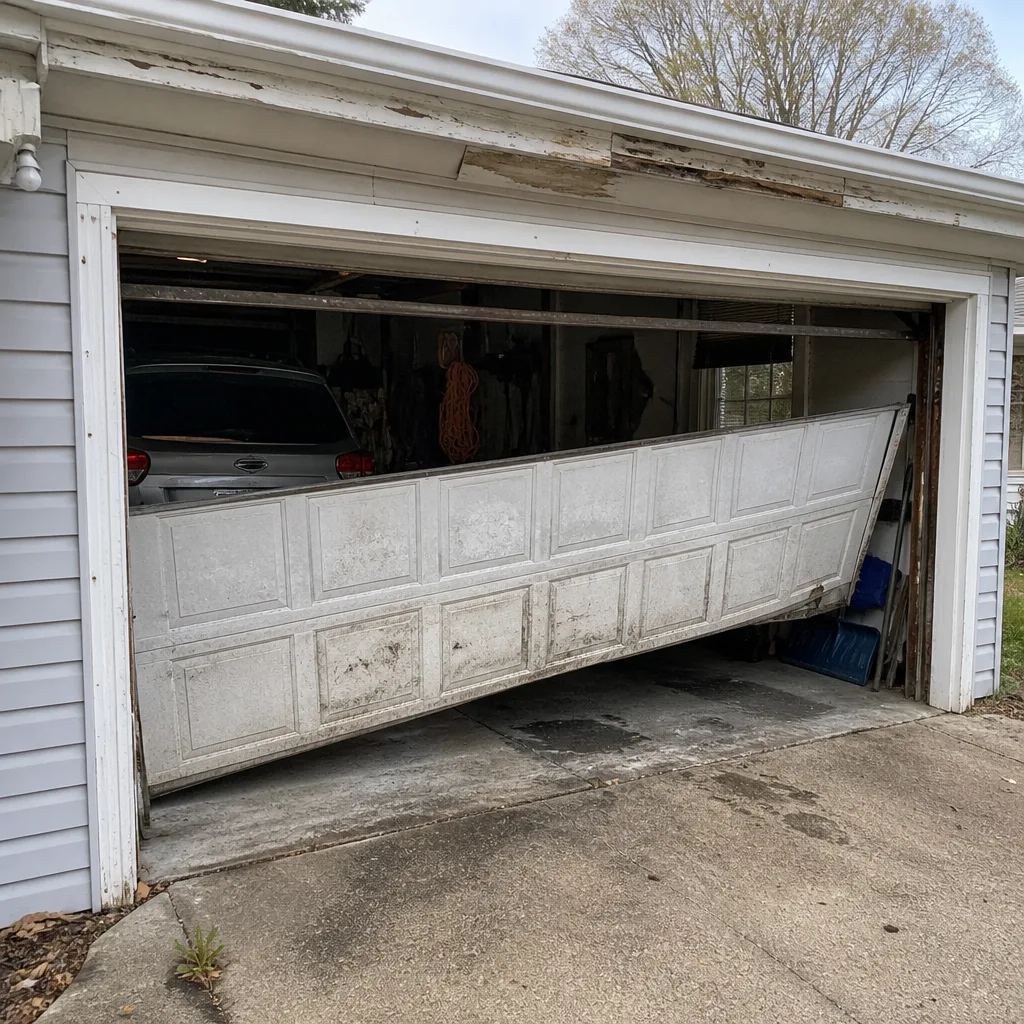 Before
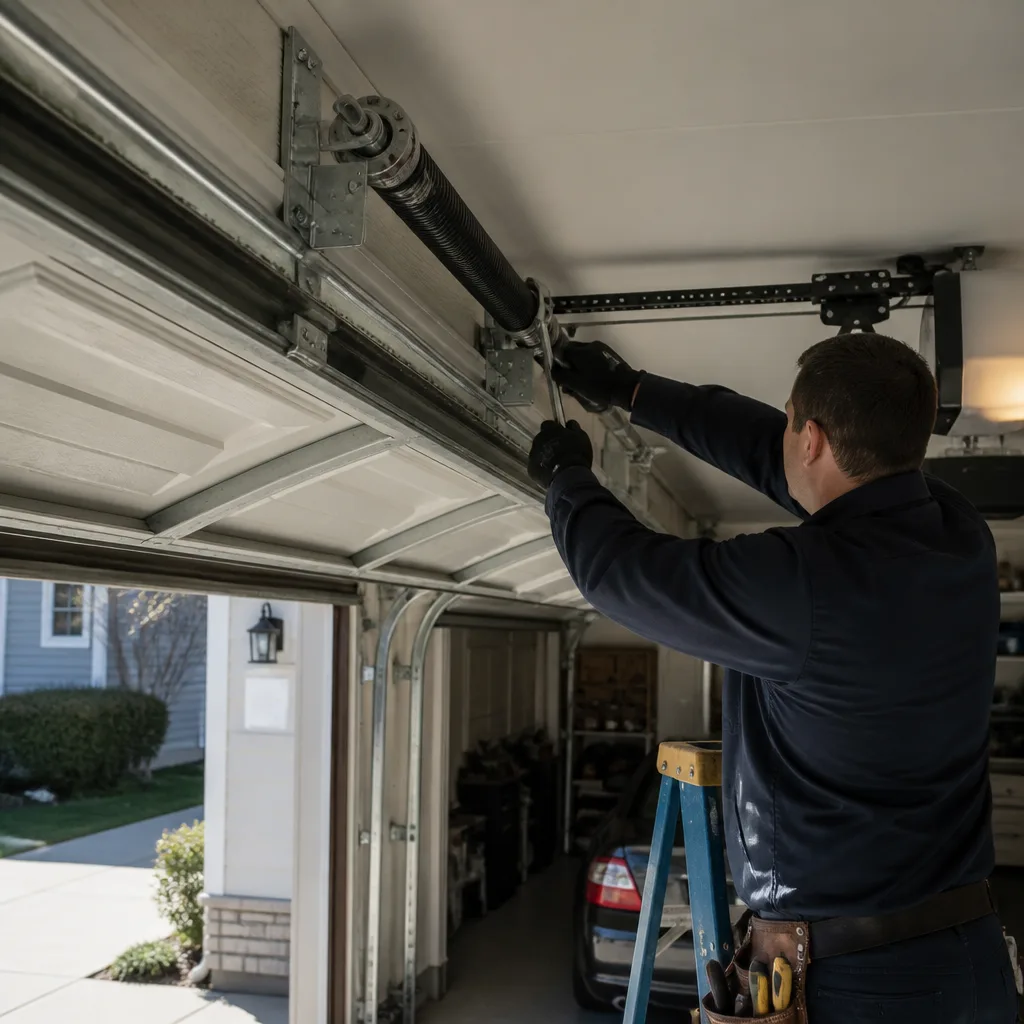 After
 Before
 After
 Before
 After