
Last updated October 16, 2026
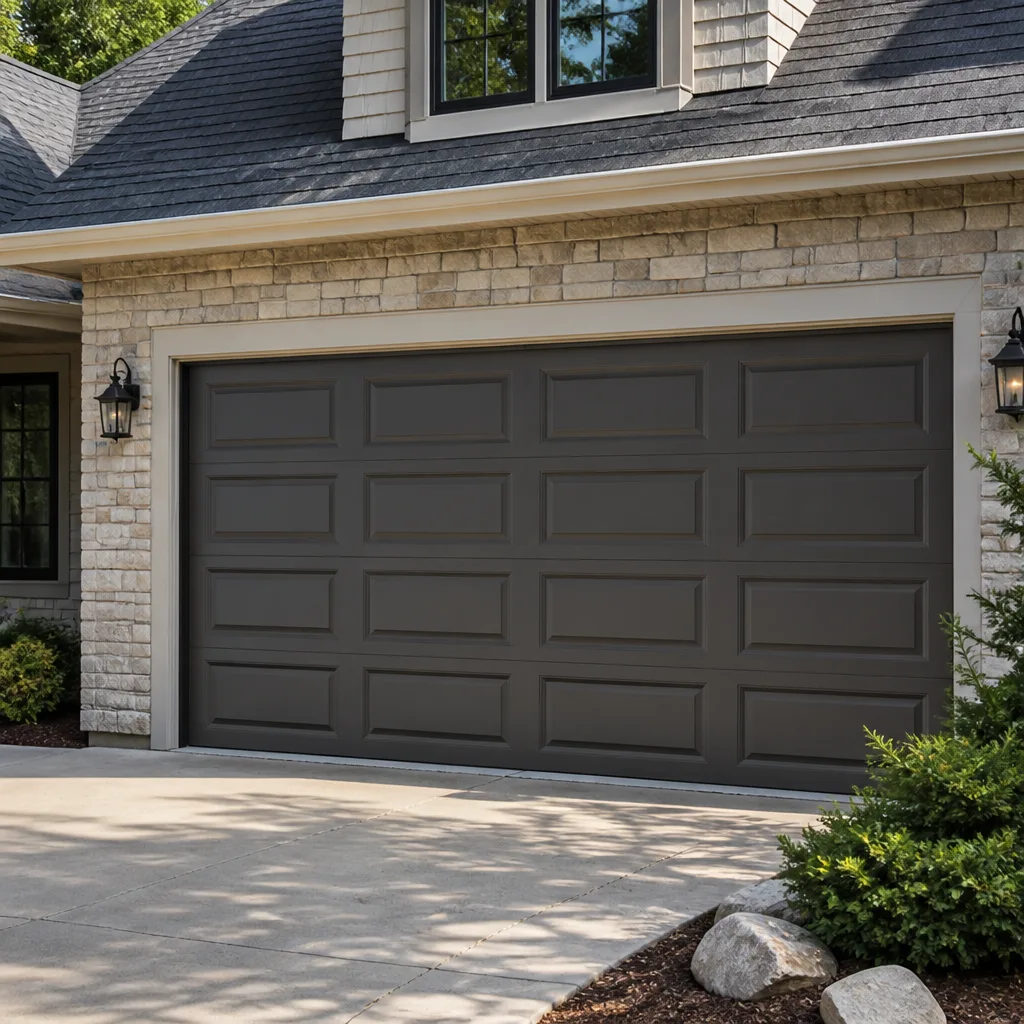 Raised-panel steel
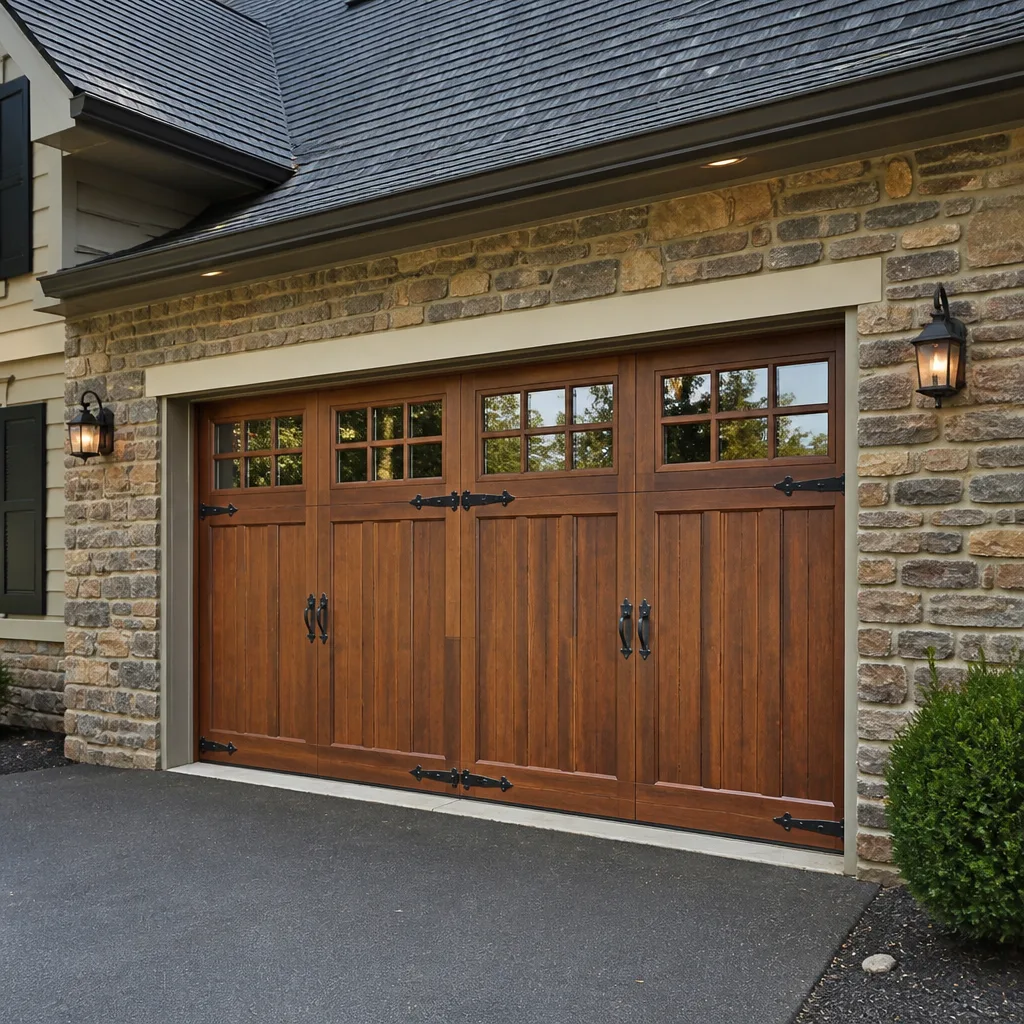 Carriage house
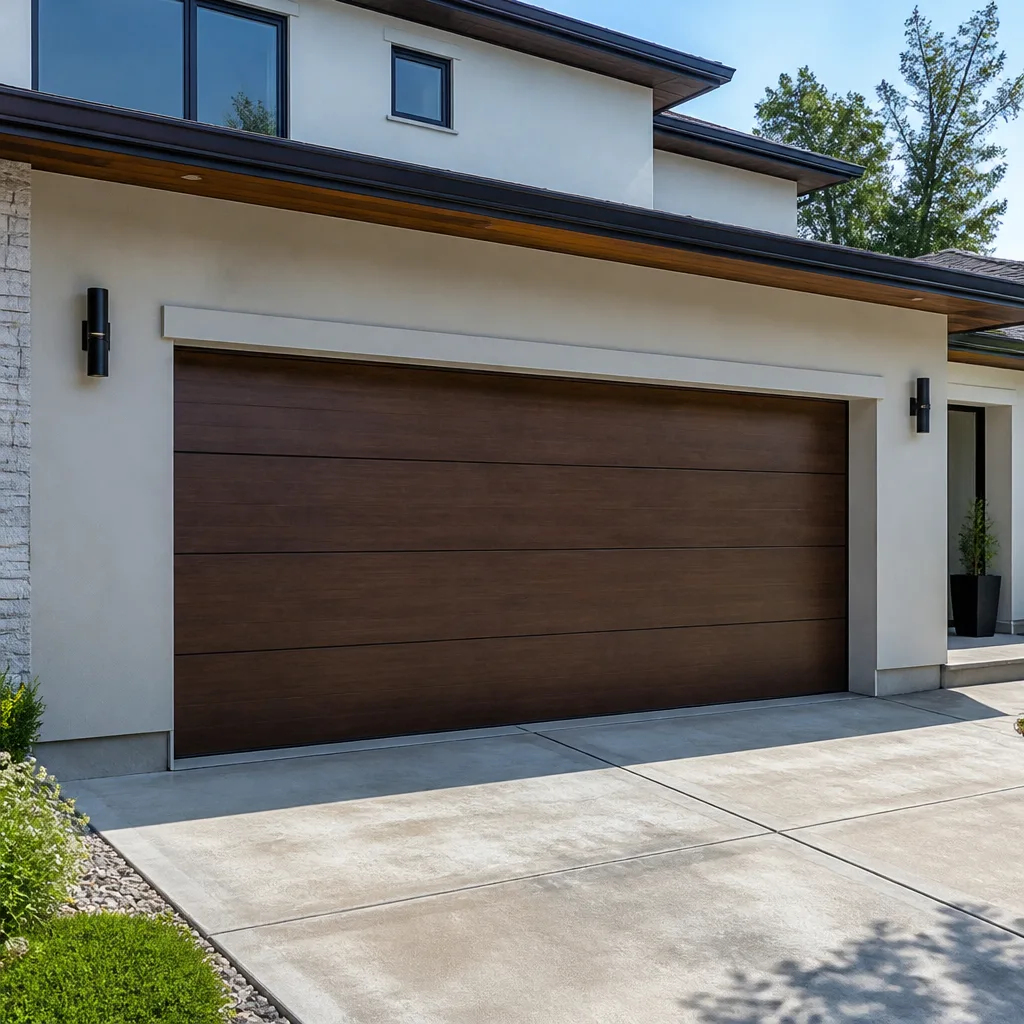 Modern flush
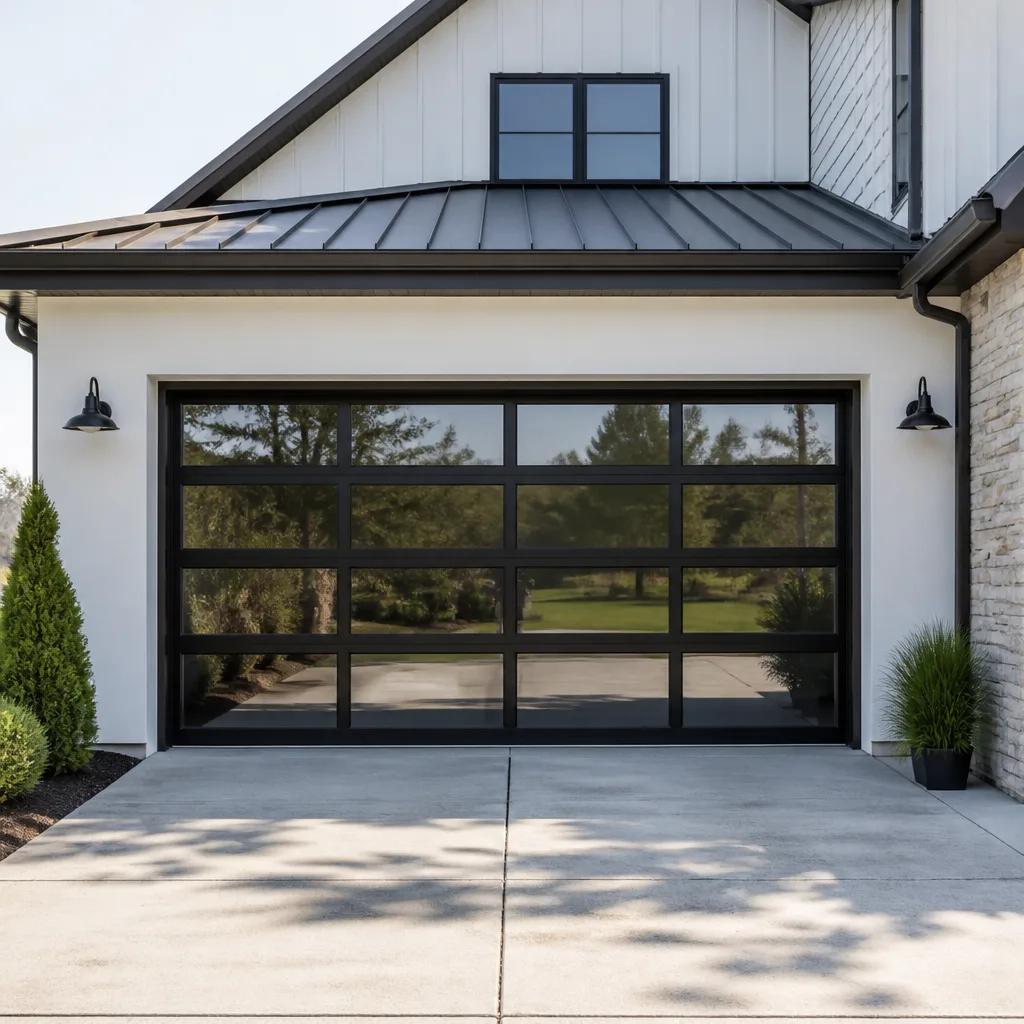 Full-view glass
 LiftMaster openers
 Chamberlain openers
Full 25-point door and opener safety check with every visit - springs, cables, rollers, tracks, and your LiftMaster or Chamberlain opener included
You get a price before we start. It does not change when the truck arrives.
Get your free estimateGarage Door Repair Maintenance Checklist for New York Homeowners
Here’s a number most New York homeowners never hear: the majority of torsion spring failures we see in the five boroughs and surrounding counties happen between mid-January and late February, not from old age, but from a lubricant that was never applied before the first hard freeze. A spring that hasn’t been coated in a cold-rated lubricant loses flexibility as temperatures drop below 20°F. When that brittle coil finally lets go, it doesn’t whisper a warning. It sounds like a gunshot in the garage. This guide is a maintenance checklist built specifically for New York conditions: freeze-thaw cycling, road salt, humidity swings, and the short inspection windows between a brutal winter and a humid summer. You’ll learn what to check each season, which lubricants actually hold up in New York weather, how to run the safety tests that most homeowners skip, and how to keep records that make any future repair faster and cheaper.
Quick Answer
A New York garage door maintenance checklist should include four seasonal inspections: lubricating springs, rollers, and hinges with a cold-rated lubricant before the first freeze; checking the bottom seal and track brackets after every hard freeze for gaps and shifting; testing the auto-reverse safety sensor monthly with a 2×4 or similar object; and inspecting torsion hardware for rust and corrosion each spring, especially in salt-exposure neighborhoods. Homeowners who follow these steps typically get 10-15 years out of a spring that would otherwise fail in 7-8, according to what we see across New York service calls.
Styles & brands we work with
Table of Contents
- Why New York Weather Destroys Garage Doors Faster
- The New York Lubricant Guide: What Works, What Gums Up
- The Freeze-Thaw Check: Bottom Seals and Track Brackets
- The Auto-Reverse Test: The Safety Check Most Homeowners Skip
- Salt Exposure: Spotting Early Corrosion on Torsion Hardware
- A Record-Keeping Template That Actually Works
- Common Mistakes to Avoid
- When to Call a Professional
- Frequently Asked Questions
Why New York Weather Destroys Garage Doors Faster
Most garage door maintenance guides read like they were written for Phoenix or San Diego. New York doesn’t get that luxury. Our climate throws four distinct seasons at a door, and each one does a different kind of damage. Winter brings single-digit lows that make metal contract, lubricants thicken, and rubber seals turn rigid. Spring brings rain that works its way into every micro-gap in the track system. Summer brings humidity that causes untreated metal to sweat and rust. Fall drops leaves and debris that clog tracks and get ground into roller bearings.
The freeze-thaw cycle is the one that separates New York from almost everywhere else. Water seeps into hairline cracks in concrete footers, wooden door panels, and rubber seal channels. When that water freezes, it expands by roughly 9 percent. When it thaws, it contracts. Do that 30 or 40 times in a single winter and materials that were perfectly fine in October start showing gaps, warps, and splits by March. We see this constantly in neighborhoods like Riverdale and Forest Hills where older homes have wooden panel doors that predate modern steel construction.
The result is faster wear on every moving part. A spring that might last 12 years in a mild climate lasts 8 or 9 in New York. A bottom seal that might go 5 years in San Diego needs replacement every 2 to 3 years in New York, especially in areas where road salt gets tracked in on car tires. This is why the checklist below is sequenced around New York’s actual calendar. Run these checks at the right time and you’ll catch small problems before they become $300 repair bills.
If you’re looking for a full breakdown of repair costs and common failure points, our Garage Door Repair in New York page covers what we see most often on service calls across the five boroughs.
The New York Lubricant Guide: What Works, What Gums Up
The single most common cause of a snapped torsion spring in a New York garage isn’t age. It’s the wrong lubricant or no lubricant at all. A torsion spring, which is the heavy coil mounted above the door that handles most of the lifting weight, is under constant tension. As it winds and unwinds thousands of times per year, the coils rub against each other. Without a proper lubricant film, that friction creates heat and wear at the microscopic level. Add freezing temperatures and the untreated steel loses flexibility. That combination is what leads to the loud snap homeowners hear on cold January mornings.
But here’s the part most guides get wrong: not every lubricant works in New York. WD-40, for example, is a solvent first and a lubricant second. It displaces moisture and cleans, but it evaporates within weeks and leaves springs unprotected. Grease attracts dirt and road salt, then turns into a gritty paste that accelerates wear. What you want is a white lithium grease spray or a silicone-based garage door lubricant specifically rated for cold weather. These stay in place through freeze-thaw cycles and don’t gum up when a humid New York July pushes garage temperatures above 90°F.
The application points, in order:
- Torsion springs: Spray a light, even coat along the full length of each coil. Don’t soak it. You’re coating, not flooding. Two or three light passes work better than one heavy one.
- Rollers: Apply lubricant to the ball bearings inside the wheel, not the wheel itself. Steel rollers with sealed bearings may not need treatment at all. Nylon rollers need less lubrication than steel.
- Hinges: A small amount on each pivot point where the hinge folds. Oil the pin, then cycle the door once to work it in.
- Track: A light coat on the inside of the vertical tracks where the rollers ride. Skip this entirely if you have belt-driven or screw-driven rails, or if the tracks look clean and the door moves smoothly.
- Lock and handle hardware: A small amount on the lock mechanism to prevent it from jamming in cold weather.
Do this twice a year in New York: once in late October before the first hard freeze, and once in late April after the last thaw. That October application matters more than most people realize. It’s the one that gets a spring through January.
For a deeper look at spring-specific maintenance and when replacement makes more sense than repair, see our Garage Door Spring Repair in New York guide.
The Freeze-Thaw Check: Bottom Seals and Track Brackets
After the first hard freeze of the season, walk out to your garage and run this five-minute check. The freeze-thaw cycle starts doing damage immediately, and the first freeze is when small gaps and loose brackets reveal themselves. Wait until March and you’ll be looking at warped panels, rusted track hardware, and a bottom seal that lets in snow, water, and rodents.
The check, step by step:
- Inspect the bottom seal with the door closed. Look for gaps between the rubber flap and the garage floor. Any visible light means water and cold air are getting in. Run your hand along the seal to feel for splits or hardening. A seal that feels like plastic instead of rubber has lost its flexibility and needs replacement before the next freeze.
- Check the track brackets. The brackets that hold the vertical and horizontal tracks are bolted to the wall and ceiling. Temperature swings cause the metal to expand and contract, which over time loosens those bolts. Try to wiggle each bracket by hand. If it moves at all, the track is absorbing stress that should be distributed. Tighten the bolts or call a technician before the track shifts and throws the door off balance.
- Look for frost or ice buildup on the inside of the door panels. If you see frost inside the garage, the seal has failed at the bottom or along the sides. This is common in older New York homes with uninsulated garages and concrete floors that hold cold air.
- Check for moisture stains on the bottom panel. Water wicking up from the concrete is one of the earliest signs of freeze-thaw damage. The bottom panel is the first to rust or rot. In areas with heavy snowfall like Staten Island and the Bronx, we see this damage accelerate when road salt wears the seal down from the outside.
Addressing seal gaps and track bracket movement in November or December prevents most of the structural problems we encounter on repair calls in February and March. A new bottom seal runs $80 to $150 installed by most New York garage door companies, while a shifted track that damages the door and rollers can easily push past $300.
The Auto-Reverse Test: The Safety Check Most Homeowners Skip
Every garage door opener manufactured since 1993 includes an auto-reverse mechanism. This is the feature that stops the door from crushing anything underneath it when it closes. The opener monitors the amount of force required to move the door. If the door hits something during descent, the resistance increases, and the opener should reverse direction within two seconds. The system also uses photoelectric sensors mounted near the floor on each side of the door opening. If anything breaks the beam while the door is closing, the door stops and reverses.
According to industry data collected from thousands of service inspections across the United States, roughly 15 to 20 percent of garage door openers in regular use have an auto-reverse system that hasn’t been tested in years. Some fail completely. A door that doesn’t reverse under resistance can crush a child, a pet, or even an adult. The Consumer Product Safety Commission documented multiple garage door related deaths attributed to reversing system failures in the past two decades. This is not a scare statistic. It’s a reason to run the test.
The test takes two minutes:
- Test the force setting: Place a 2×4 piece of wood flat on the floor directly beneath the center of the door. Close the door using the opener. The door should hit the wood and reverse within two seconds of contact. If it presses down, strains, or any light is visible between the wood and the door while the opener is still pushing, the force setting is too high and the system is dangerous. Call a technician immediately.
- Test the photo eyes: With the door open, wave a broom or a foot lightly in front of one of the sensors mounted near the floor. Press the close button. The opener should not close at all. If the door begins to close with something in the beam path, the sensors are misaligned or failed and need repair.
Force setting adjustments are not a DIY fix we recommend. The adjustment screws on older openers are small and sensitive. Turn them too far in either direction and the door becomes unsafe in the other direction: it might not stop on the way up, or it might slam shut too fast. This is a job for a trained technician with the right tools. The Bramwell Garage Doors New York home page has details on how we approach safety inspections and openers.
Salt Exposure: Spotting Early Corrosion on Torsion Hardware
Road salt is a New York fact of life. Cars track it into the garage all winter. It cakes onto the floor, dries into a fine white powder, and then gets kicked into the air every time the door opens and closes. That airborne salt settles on metal surfaces: the torsion spring above the door, the bearing plates at each end, the hinge hardware, and the track bolts.
Sodium chloride accelerates rust dramatically. What would take three years of normal oxidation happens in a single winter season. On torsion springs, rust looks like reddish-brown pitting on the coils. It starts as surface discoloration and progresses into deeper pitting that weakens the steel. A rusted spring can fail suddenly because corrosion creates stress points where the coil snaps. In coastal-adjacent New York neighborhoods like Sheepshead Bay, Rockaway, and parts of Staten Island, the added airborne salt from the ocean compounds the problem year-round, not just in winter.
What to look for:
- Torsion spring pitting: Run a gloved hand lightly along the coil. If it feels rough, bumpy, or flakes off onto the glove, the surface corrosion is advanced. Surface rust can sometimes be cleaned and re-lubricated; deep pitting means the spring is nearing end of life.
- Bearing plate discoloration: The plates that hold the spring assembly at each end of the torsion bar are bare steel. Orange or brown staining around the bolt heads is an early warning.
- Track bolt rust: Check the bolts that hold the vertical track to the wall. If they’re rusted to the point the heads are flaking, they’re weakened and should be replaced before the track shifts.
- Hinge pin oxidation: The hinges that connect the door panels have pins that move every time the door opens. Rust on these pins increases friction and accelerates wear on both the hinge and the panel edge.
In our experience across New York service calls, most homeowners don’t catch salt corrosion until a part fails. A spring that breaks under load often takes a few rollers or a hinge with it. Regular inspection, especially in coastal and heavy-snowfall neighborhoods, is much cheaper than the repair bill for a full hardware rebuild. If you’re seeing significant corrosion and want to understand replacement options, our Garage Door Installation in New York page walks through when new hardware makes more sense than patching old components.
A Record-Keeping Template That Actually Works
Most maintenance guides end with “keep records of your service.” Few tell you what those records should look like or why they matter. Here’s the reason they matter for a New York homeowner: when a technician arrives to diagnose a problem, the first question is always “when was the last time this was serviced?” If you can answer that question with specifics, the diagnostic process is faster, the repair is more accurate, and you’re less likely to pay for a fix that doesn’t address the real issue.
A garage door has six main serviceable components. Track each one separately:
- Torsion spring: Date of last lubrication. Date of replacement if applicable. Average New York lifespan with regular maintenance is 8-12 years.
- Bottom seal: Date of last replacement. Expect 2-3 years in New York road-salt conditions.
- Rollers: Date of last replacement. Steel rollers last 5-7 years. Nylon rollers can go 10+.
- Opener and belt or chain: Date of last adjustment or replacement. Openers last 10-15 years with proper care.
- Hinges and hardware: Date of last inspection. Note any loose bolts or rust found.
- Safety system: Date of last auto-reverse test. This is the one to log monthly, not yearly.
Use a small notebook, a notes app, or a spreadsheet. What matters is consistency, not the tool. Each entry needs four things: the date, what was done, who did it, and any parts used. A simple line like “04/14/26 – Lubricated springs and hinges, white lithium grease, no issues” takes ten seconds to write and saves significant diagnostic time later.
When a technician from Garage Door Repair in New York teams like Bramwell arrives, having this record means they can confirm the lifespan of existing parts, spot premature failures, and give you an exact written price based on what actually needs doing rather than guesswork. It also gives you leverage: if a part fails inside a guarantee period, the record shows exactly when it was installed and what was promised.
Common Mistakes to Avoid
- Using WD-40 as a primary lubricant. It displaces moisture and cleans surfaces, but it evaporates quickly and leaves springs dry within a few weeks. Use white lithium grease or a cold-rated silicone lubricant instead.
- Skipping the October lubrication. The late-fall application is the one that matters most in New York. A dry spring going into January is a spring that’s likely to snap on a sub-20°F morning.
- Ignoring a door that’s started closing slightly faster. A door that picks up speed on the way down means the spring is losing tension. It’s the earliest warning sign of a spring failure, and most homeowners miss it until the spring breaks completely.
- Testing the auto-reverse by hand instead of with a 2×4. Grabbing the door with your hand doesn’t simulate the resistance of an object in the path. The door can work fine in your hand test and still fail the 2×4 test. Run the test correctly.
- Waiting until spring to inspect seals and brackets. The damage happens during the winter. By the time the weather warms up, a small seal gap has become a rusted bottom panel or a shifted track.
- Painting over rusted hardware. Paint hides corrosion, it doesn’t stop it. The rust continues underneath and weakens the steel. Remove surface rust and re-lubricate, or replace the component if pitting is deep.
- Assuming photo eye sensors work because the opener closes. If the sensors are misaligned, some openers default to a “last command” state that allows normal operation. Test the sensors specifically with an object in the beam path before assuming everything is working.
When to Call a Professional
Some maintenance tasks are safe for homeowners. Lubrication, seal inspection, record-keeping, and the auto-reverse test are all things you can do without special training. Other things are not. Torsion spring replacement involves releasing and re-tensioning a spring under hundreds of pounds of torque. A spring that lets go during a DIY repair can cause serious injury. Track realignment, cable replacement, and opener force adjustments all carry similar risks when handled incorrectly.
If you find deep pitting on a torsion spring, a track that has shifted off its brackets, frayed cables, or an auto-reverse system that failed the 2×4 test, stop and call a professional. Garage Door Spring Repair in New York is a service where the price of getting it wrong is measured in emergency room visits. Bramwell Garage Doors New York offers free estimates in New York, call (585) 669-6563 and a technician will come out, inspect the issue, and give you a written price before any work begins.
Frequently Asked Questions
Twice a year at minimum: once in late October before the first hard freeze and once in late April after the last thaw. If you live in a coastal-adjacent neighborhood with year-round airborne salt, add a third application in mid-summer. Use white lithium grease or a cold-rated silicone spray, never WD-40.
A professional maintenance visit from a New York garage door company typically runs $85 to $150 when no parts need replacement. That usually includes lubrication, hardware tightening, track alignment, safety sensor testing, and a full inspection. If parts like a bottom seal or rollers need replacing, expect to add $80 to $150 for the seal or $75 to $125 for a full roller set. Call (585) 669-6563 for an exact written quote, free estimates are standard for Bramwell.
White lithium grease spray is the most reliable cold-weather lubricant for torsion springs and hinges. It stays in place through freeze-thaw cycles and doesn’t gum up in humid New York summers. Look for a product rated for temperatures below 0°F. Silicone-based sprays also work well, especially on nylon rollers and tracks.
Three early warning signs: the door starts closing slightly faster than it used to, you notice a gap in the spring coils where they’ve started to separate, or you hear a creaking sound when the door opens and closes. If you see any of these, the spring is losing tension and likely to fail soon. Don’t wait for the loud snap.
Yes, and in New York specifically, twice a year matters more than in milder climates. The freeze-thaw cycle, road salt exposure, and humidity swings all accelerate wear. A door that goes two or three years without maintenance in New York has a measurably higher chance of spring failure, seal deterioration, and track misalignment than a door serviced seasonally.
No. A torsion spring is under constant tension and can cause serious injury if mishandled during removal or adjustment. If you’re seeing surface rust, you can clean and lubricate it lightly with a gloved hand while the door is closed and disconnected from the opener. But if the rust has progressed to deep pitting or the spring is making unusual sounds, leave it alone and call a professional. This is not a job worth the emergency room.
The Bottom Line
A garage door in New York doesn’t need more maintenance than one in Arizona. It needs maintenance timed around a different calendar. Lubricate before the freeze, inspect seals after the thaw, test the safety systems monthly, watch for salt corrosion in coastal and heavy-snowfall areas, and keep records that tell the true story of your door’s history. Doing that consistently extends the life of your springs, rollers, and opener by years. Skipping it costs real money. If you’re not sure where to start or you want a professional inspection before winter sets in, call Bramwell at (585) 669-6563 for a free estimate in New York.
Written by Marcus Ellery, Owner at Bramwell Garage Doors New York, serving New York since 2001.
See the difference
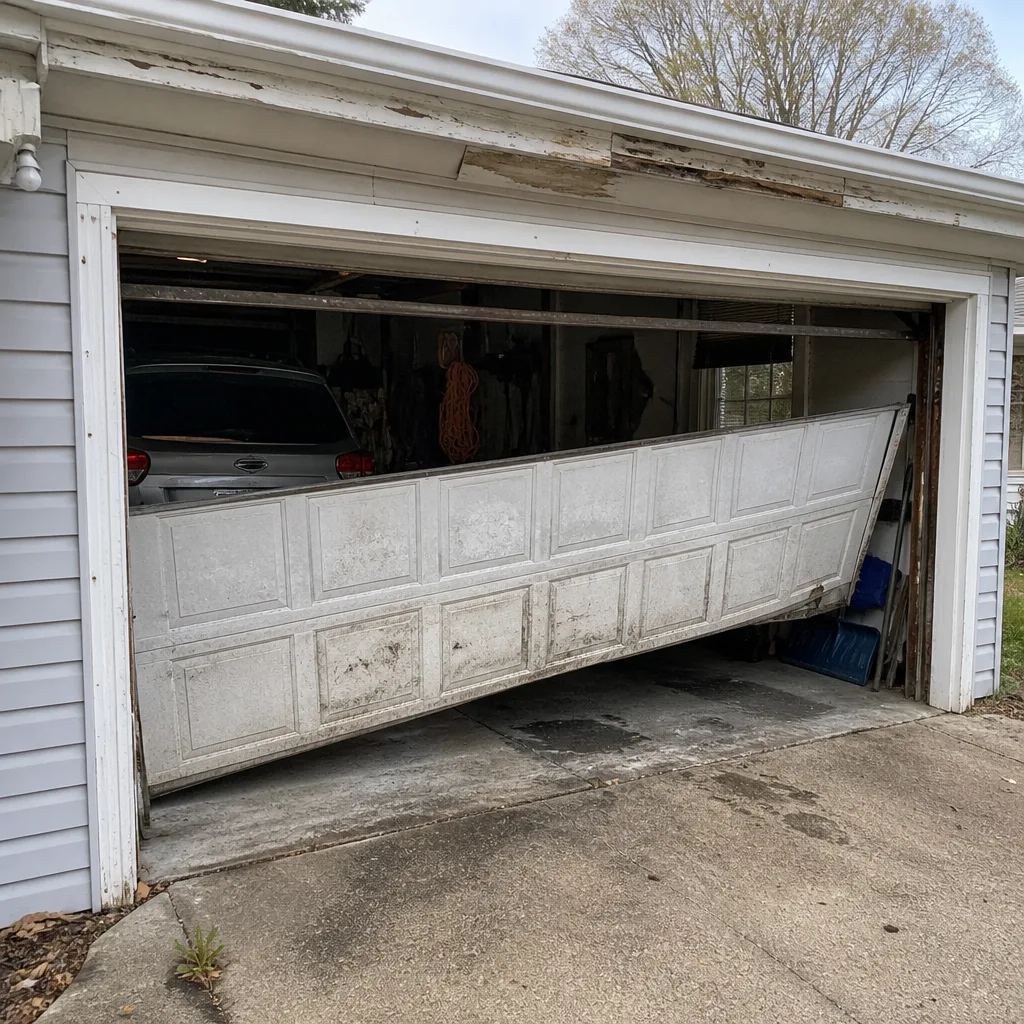 Before
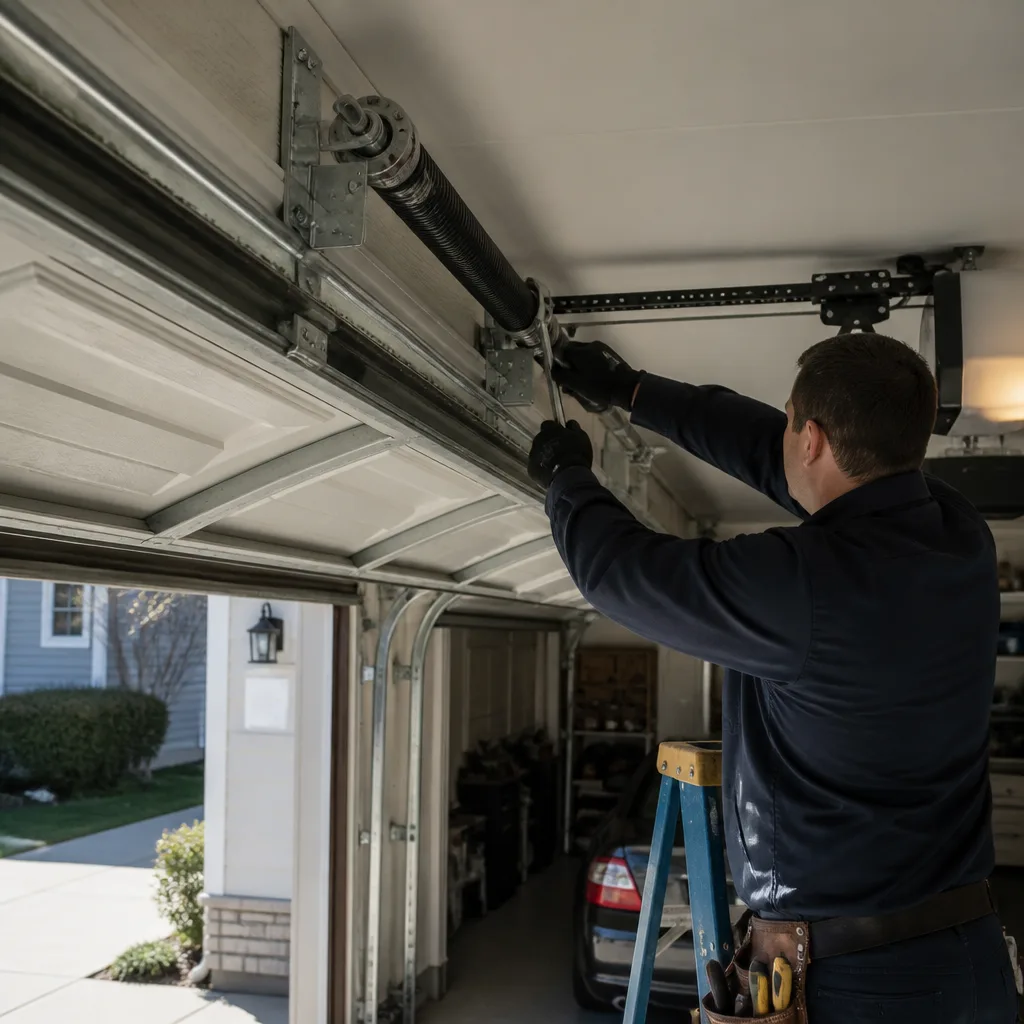 After
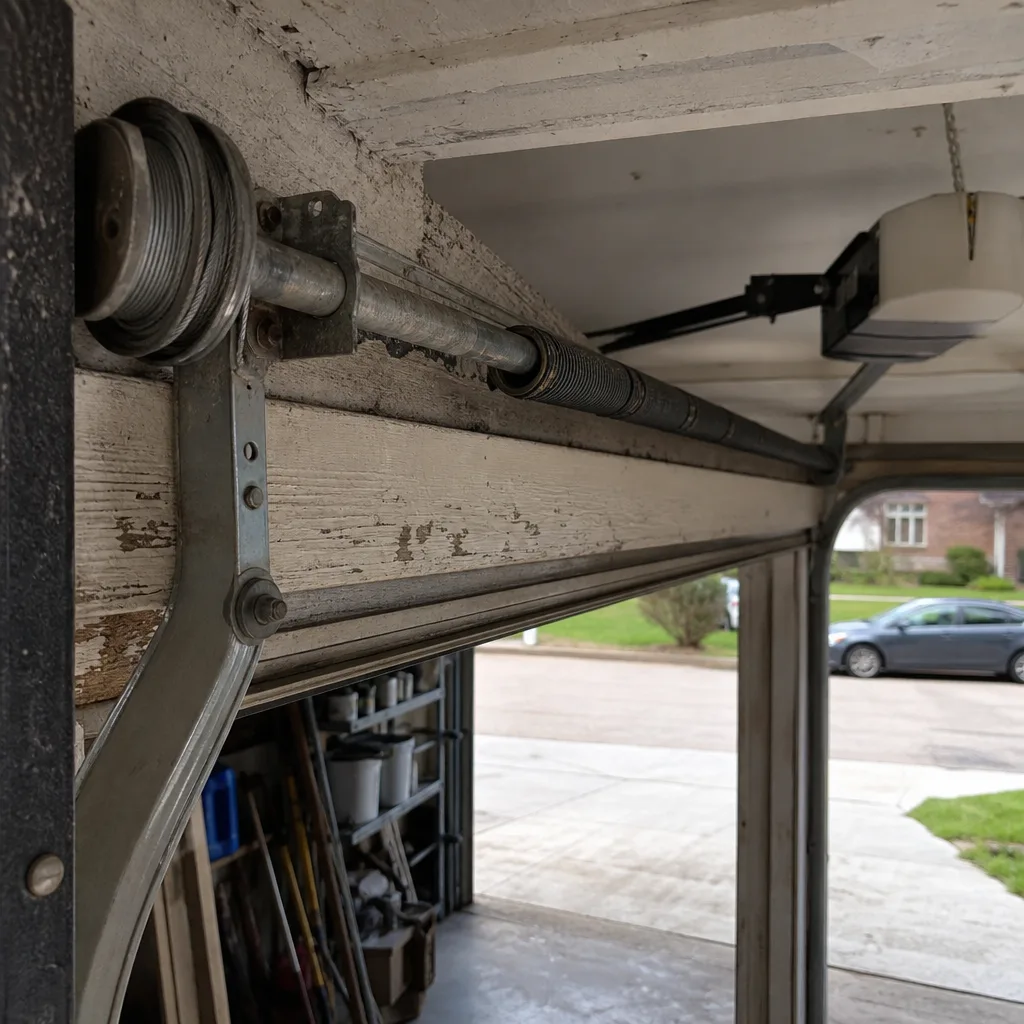 Before
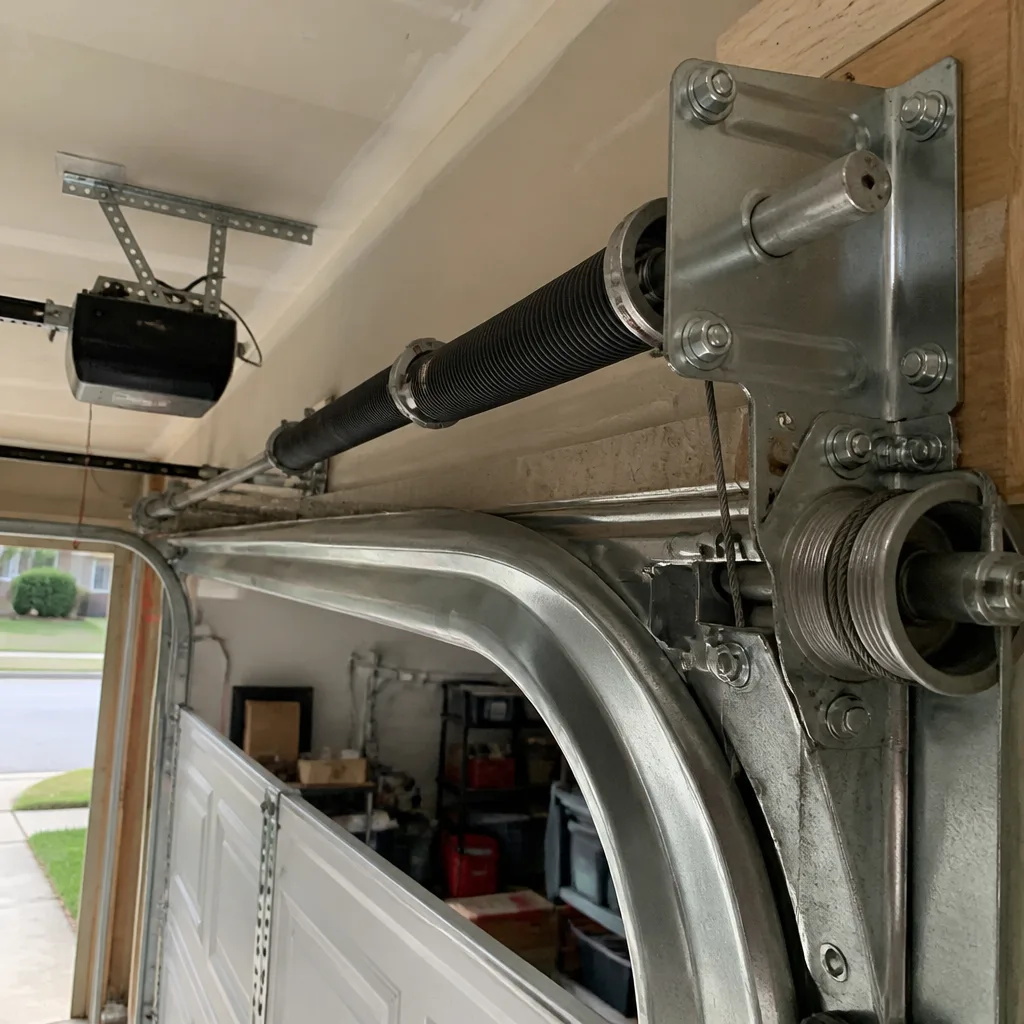 After
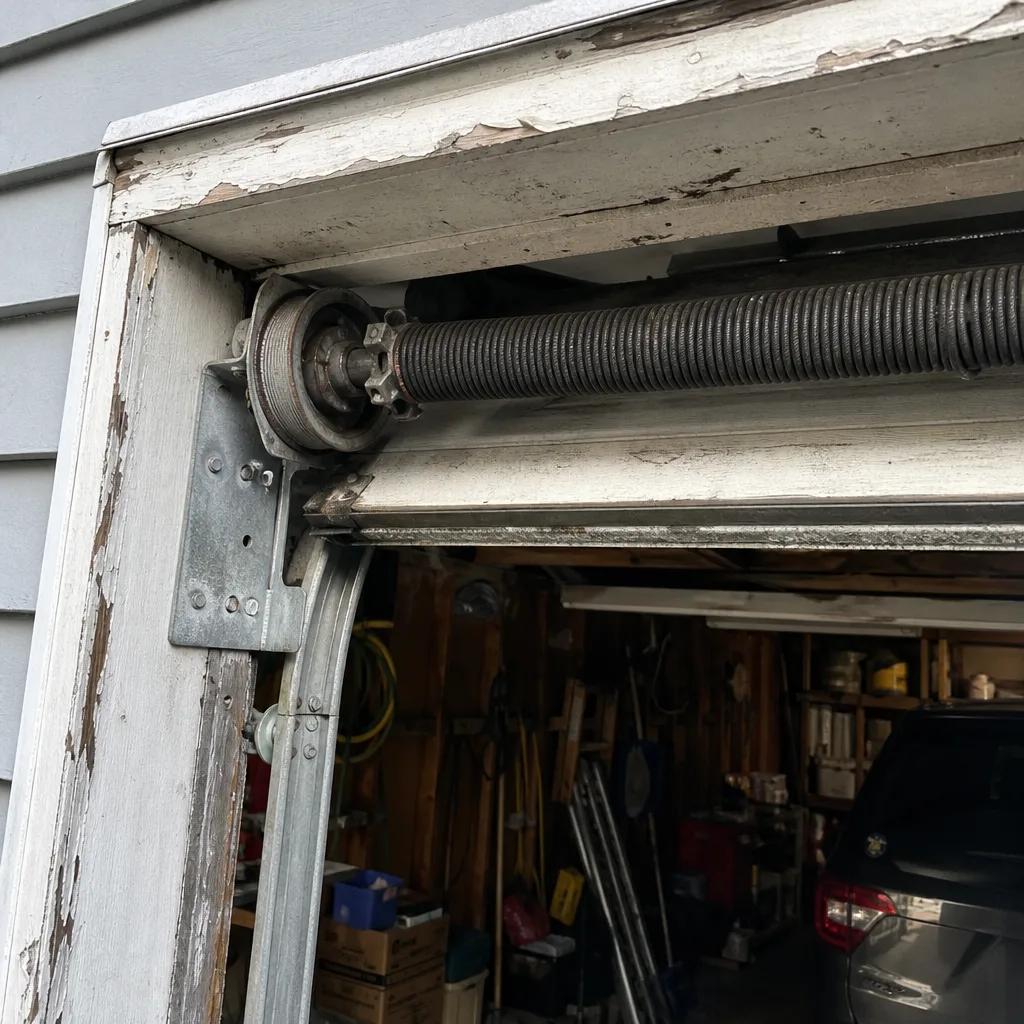 Before
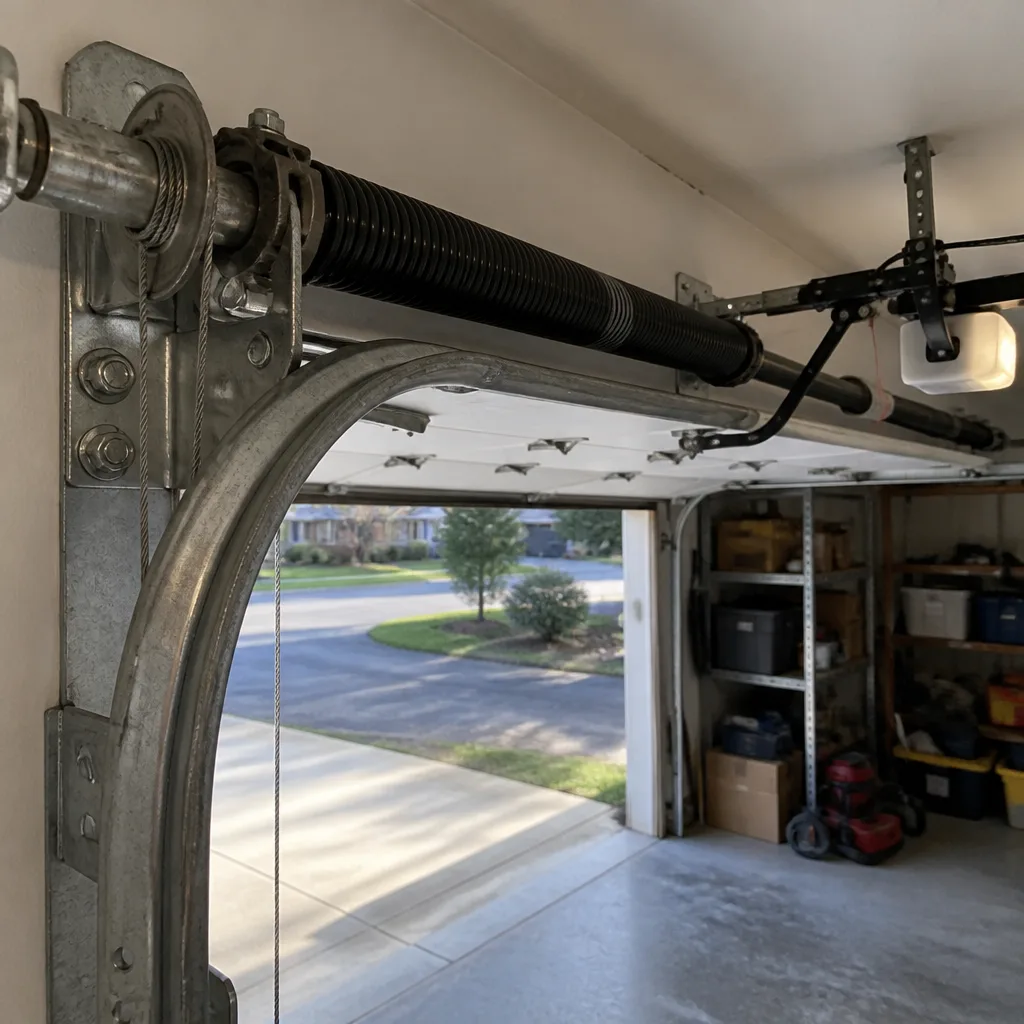 After