
Last updated October 16, 2026
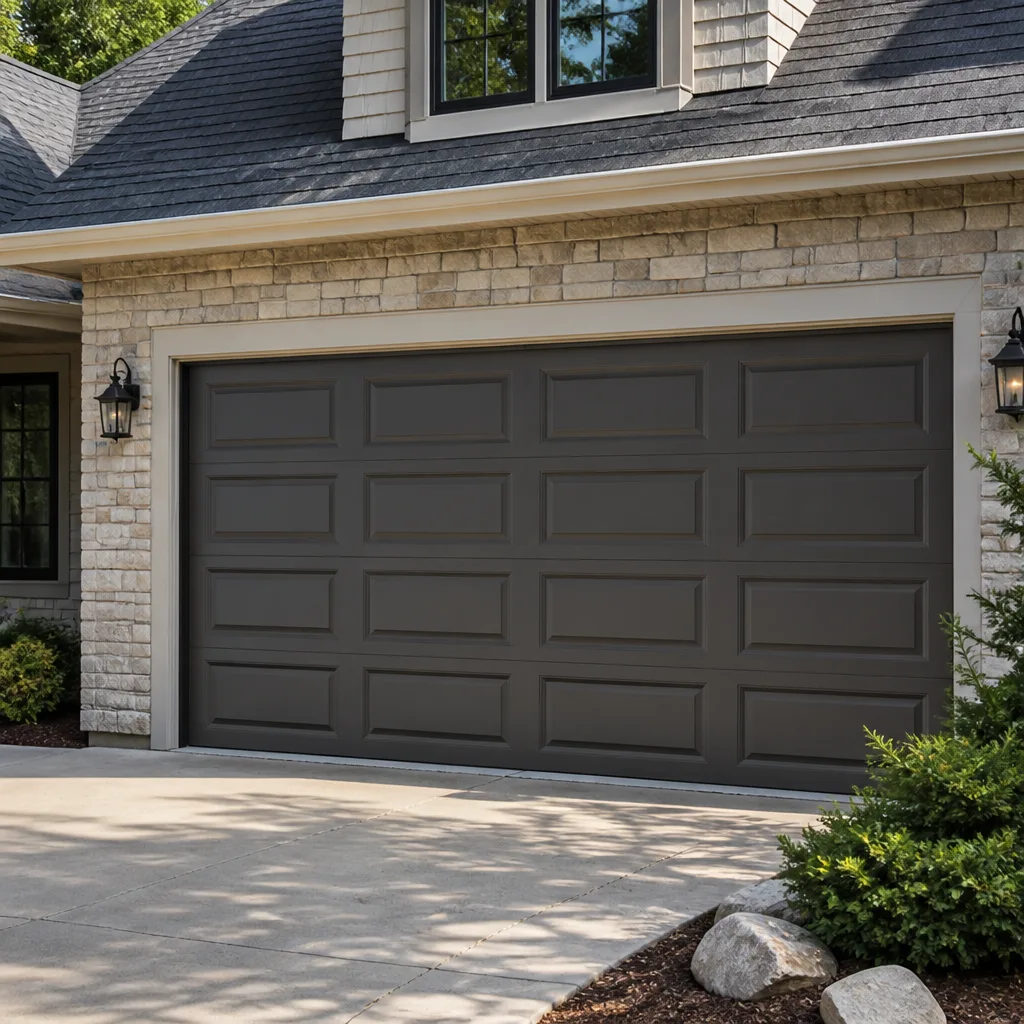 Raised-panel steel
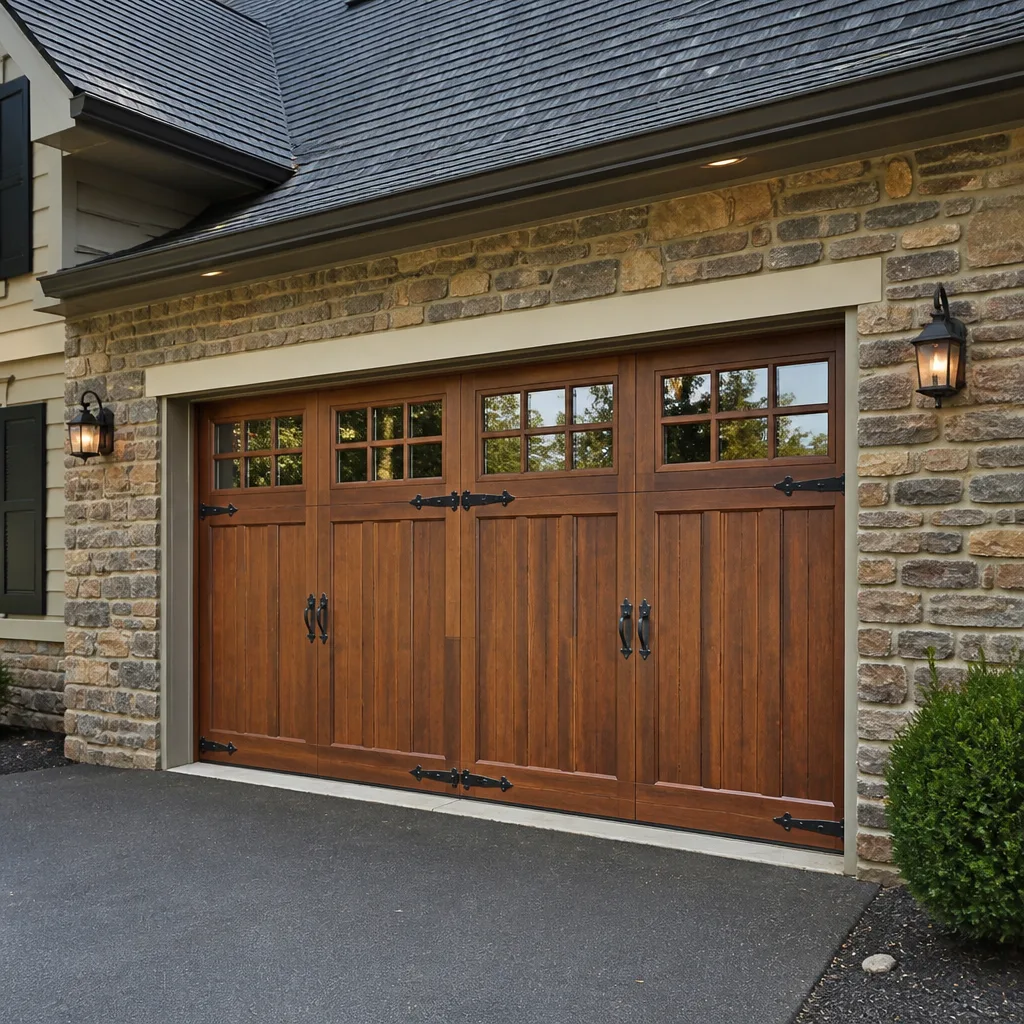 Carriage house
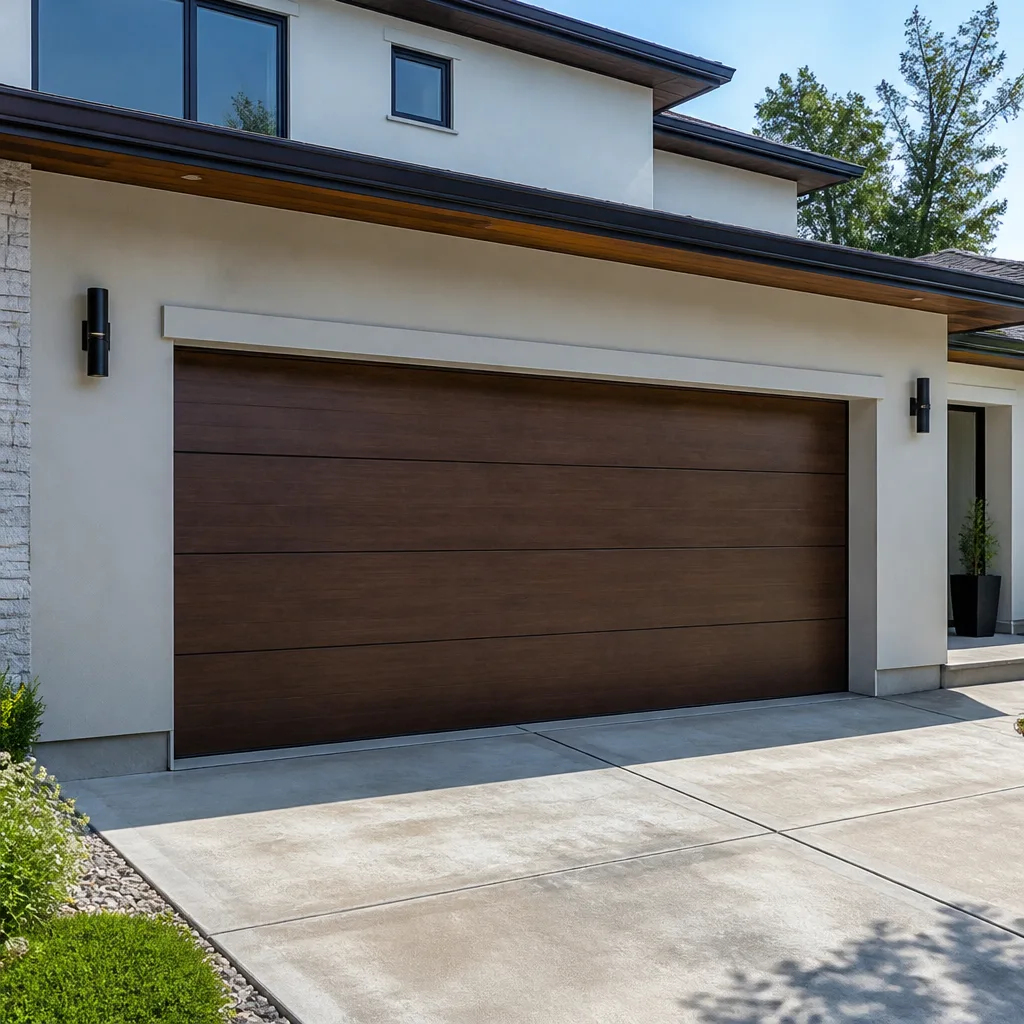 Modern flush
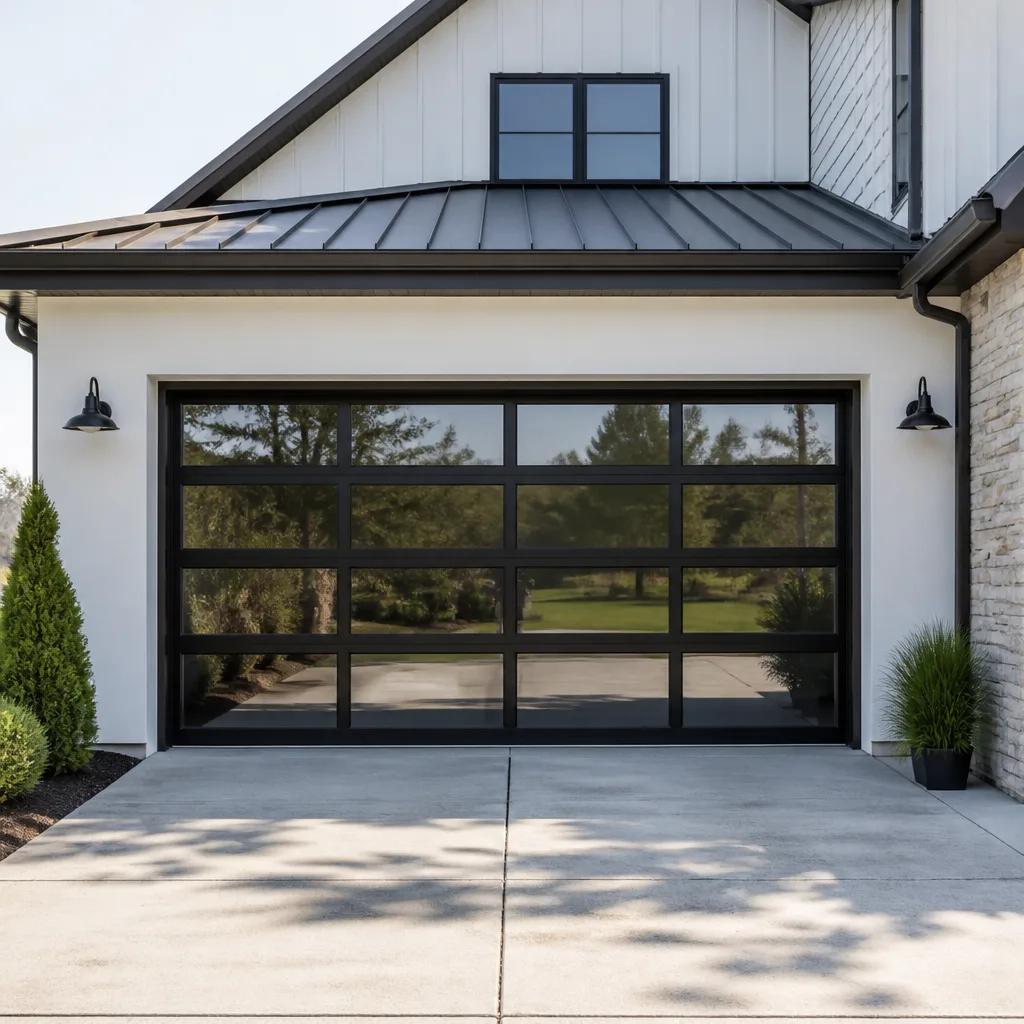 Full-view glass
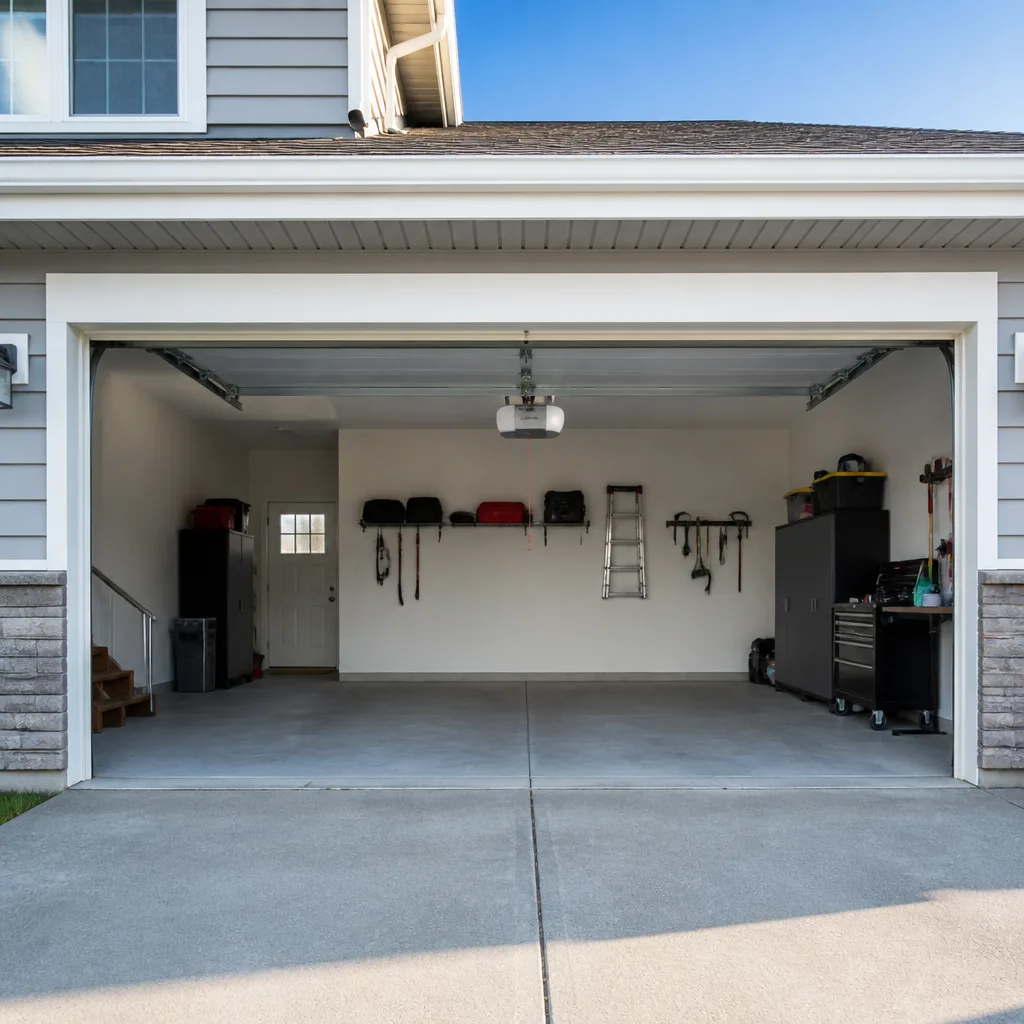 LiftMaster openers
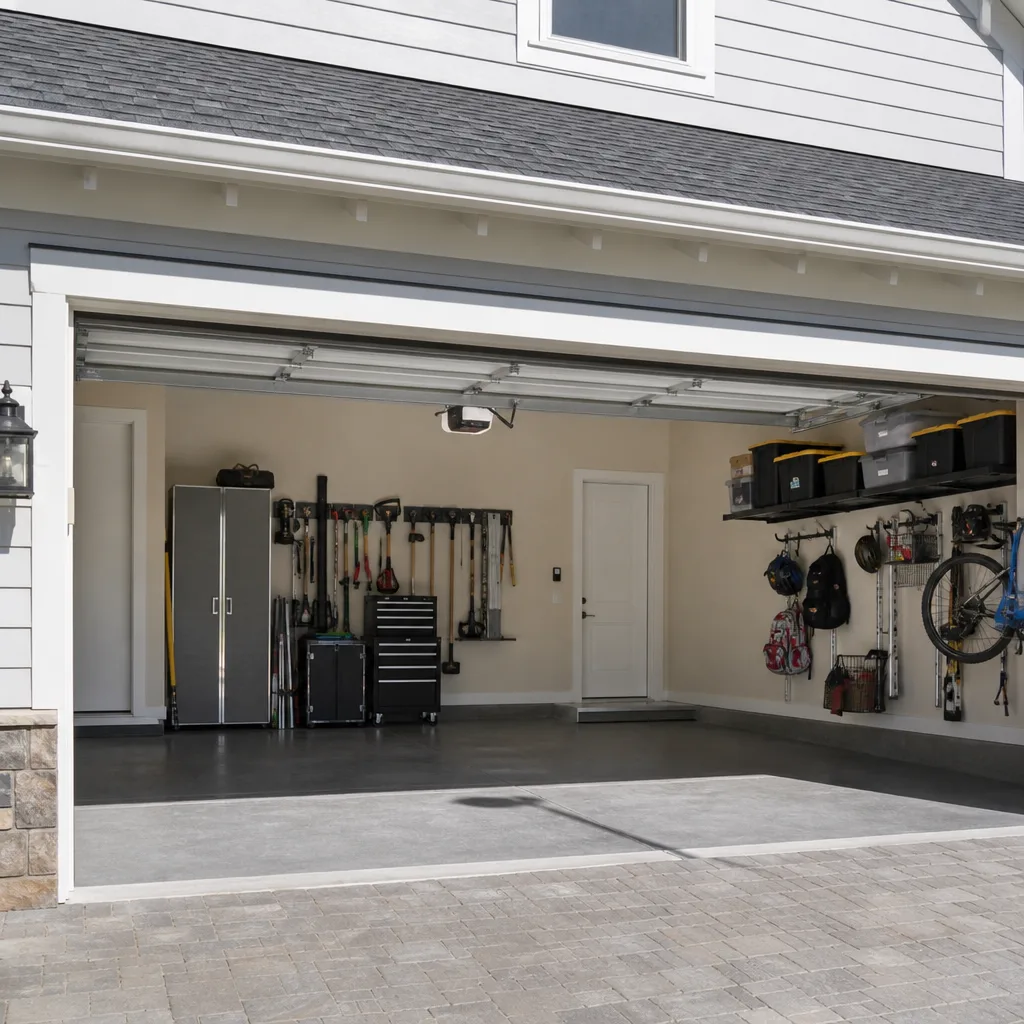 Chamberlain openers
Full 25-point door and opener safety check with every visit - springs, cables, rollers, tracks, and your LiftMaster or Chamberlain opener included
You get a price before we start. It does not change when the truck arrives.
Get your free estimateGarage Door Permits, Codes & Inspections in NY: What You Need to Know
Most New York homeowners replace a garage door thinking it’s a simple hardware swap, no different than changing a faucet. And in roughly eight out of ten cases, they’re right. But the other two cases can trigger a stop-work order from the NYC Department of Buildings (DOB), a fine from a landmarks commission, or a title snag that surfaces years later when selling the property. This guide walks through exactly when New York requires a permit, who enforces the rules, what inspectors check, and how to avoid the expensive traps most people never see coming. For more guides & resources, visit our blog.
Quick Answer
In New York State, a like-for-like garage door replacement where dimensions, weight, and opener mechanism stay the same typically requires no permit. You do need a permit (or at minimum a filing) when the project changes the structural opening, moves electrical wiring, alters a landmarked building’s street-facing appearance, or falls under a town or village code with stricter rules. Always verify with your local building department before work begins, because the definition of “like-for-like” varies widely between NYC, Long Island, Westchester, and upstate towns.
Styles & brands we work with
Table of Contents
- When a Garage Door Permit Is Required in New York
- How the NYC Department of Buildings Treats Garage Door Work
- Landmark Districts: Why Door Color, Material, and Panel Style Get Reviewed
- Automatic Opener Codes: Auto-Reverse, Force Settings, and What the NYC Building Code Actually Says
- Who Is Liable When a Contractor Skips the Permit
- The Three-Question Permit Decision Tree
- What an Inspector Actually Checks on a Garage Door Job
- What Permits and Filings Cost in New York
When a Garage Door Permit Is Required in New York
New York does not have one single statewide garage door permit rule. The state sets the building code, but each municipality decides what triggers a permit application. That split causes most of the confusion. Here’s the practical breakdown we’ve seen across years of New York door work:
- Like-for-like swap: Same size door, same spring system, same opener, no structural change. In most New York towns and cities, this needs no permit. The old door comes off, the new one goes on, tracks and springs get replaced, done.
- Resizing the opening: Widening or heightening the rough opening to fit a larger door always requires a permit. This is structural work, plain and simple. The header above the door carries roof or floor load, and modifying it without engineering review is dangerous.
- Adding a new door where none existed: Cutting a new opening in a garage wall is a permit-required structural alteration in every New York jurisdiction we know of.
- Adding an automatic opener where none was wired: Running new electrical circuitry for an opener generally requires an electrical permit and a licensed electrician’s sign-off. If you’re replacing an existing opener unit using the same outlet and wiring, most towns don’t require anything.
- Landmarked or historic-district properties: In NYC landmark districts and many historic villages upstate, even a like-for-like door swap needs review if the door faces a public street. More on that below.
- HOA-governed communities: This isn’t a government permit, but it functions like one. Many outer-borough HOAs and co-op boards have their own written approval process for door style and color. Ignoring it can trigger fines or forced reversal at homeowner expense.
The rule of thumb: government permits follow structural, electrical, or landmark changes. If the only thing changing is the door itself, and it fits in the same opening with the same wiring, you’re usually clear. But “usually” is doing real work there, which is why we recommend a one-call check to your local building department before any installation.
How the NYC Department of Buildings Treats Garage Door Work
The NYC DOB is the strictest authority in the state, and its rules surprise many homeowners. The agency draws a bright line between what it calls “ordinary repairs” and “alterations.” Ordinary repairs replace existing components with like-kind materials and require no DOB filing. Alterations change the building in some way and typically do require a filing, often through a Registered Design Professional (a licensed architect or engineer).
Here’s how that lands in the real world on a garage door installation in New York market:
- Replacing an existing sectional door with another sectional door: No DOB permit needed if the opening dimensions are unchanged and the new door weighs roughly the same as the old one. This is ordinary repair territory.
- Swapping a swing-out door for an overhead sectional: This is an alteration. The structural loads change, the track mounting points change, and a DOB filing is typically required.
- Replacing a wood door with a steel door of the same size: Usually no permit, but if the steel door is much heavier and you’re adding new spring hardware to carry it, the building’s wall anchorage may need to be checked. A conservative contractor will flag it.
- Any work that touches the fire-rated separation between a house and an attached garage: This is a big one. NYC code treats the wall and door between a dwelling and an attached garage as a fire-rated assembly. If your garage door opens directly into your living space, replacing it may trigger a DOB review to confirm the new door preserves the fire rating. This is a genuine code requirement, not a scare tactic.
If you live in the five boroughs and you’re unsure whether your project crosses from ordinary repair into alteration, call 311 or check the DOB website before buying the door. The call takes ten minutes and can save you a stop-work order that takes weeks to unravel.
Landmark Districts: Why Door Color, Material, and Panel Style Get Reviewed
In New York City landmark districts, the Landmarks Preservation Commission (LPC) reviews any work on a building’s street-facing exterior that would change its appearance. That includes garage doors. And in neighborhoods like Park Slope, Brooklyn Heights, Cobble Hill, Carnegie Hill, and the Greenwich Village Historic District, garage doors are treated as part of the building’s architectural character, not just functional hardware.
What the LPC typically cares about:
- Material: A glass-and-aluminum contemporary door on an 1890s brownstone garage will draw an objection. Wood or factory-painted steel that matches the original door’s character generally clears review.
- Color: In many landmark districts, garage doors must match the building’s existing trim or a historically appropriate palette. Bright red doors on a landmarked limestone townhouse will not fly.
- Panel style: Recessed panels versus raised panels versus flush. The LPC wants the replacement to read as the original did when viewed from the street.
- Window inserts: Adding glass lites to a garage door where the original had none is commonly denied or sent back with conditions.
- Location of the door relative to the street: A garage door fully hidden behind the building line, invisible from the public right-of-way, is generally outside LPC review. A door facing the street or a public alley is not.
The approval process for LPC review usually takes 30 to 90 days. That timeline surprises homeowners who planned a same-week installation. Our advice for landmark-district New York homeowners: start the LPC conversation before you order the door, and make sure your contractor has dealt with landmark work before. Doors that fail LPC review get returned or installed under protest, and neither outcome is cheap. This is also a point where a garage door repair in New York professional with landmark experience is worth more than the lowest bid.
Automatic Opener Codes: Auto-Reverse, Force Standards, and What the NYC Building Code Actually Says
Automatic garage door openers are regulated more tightly than the doors themselves, and the rules exist for a reason: a closing garage door weighs 150 to 400 pounds, and without functioning safety features, it can injure or kill. The relevant requirements come from UL 325, which is incorporated by reference into the New York State Building Code and enforced in NYC through DOB inspections when triggered.
Here’s what the code requires on every automatic opener installation in New York:
- Auto-reverse mechanism: The opener must reverse the door when it contacts an obstruction while closing. Think of it as the door hitting a 2×4 flat on the ground and immediately going back up. If the door hesitates, grinds, or keeps pressing down, the opener fails the standard.
- Photoelectric sensors (safety eyes): Mounted no higher than 6 inches above the garage floor on both sides of the door opening, these sensors project an invisible beam. Break the beam while the door is closing, and the door must reverse. Any New York opener installed without functioning photo eyes is not code compliant, period.
- Force setting limits: The opener’s downforce and upforce must be set so the door stops and reverses with minimal resistance. A door set to crush through an obstruction is the most common code violation we see, and it’s usually the result of a homeowner (or a handyman) adjusting the opener to overpower a failing spring instead of fixing the spring. That’s the wrong repair and a real safety hazard.
- Manual release: Every opener must have a manual release mechanism (usually a red cord hanging from the trolley) that disengages the door from the motor so it can be opened by hand during a power outage. The release must be reachable from the garage floor.
- Electrical connection: The opener must be plugged into a properly grounded outlet, and any new outlet installation requires an electrical permit and a licensed electrician under New York code.
- During a sale: A title search or pre-sale inspection flags unpermitted work. The buyer’s attorney asks for the permit file. When there isn’t one, the deal can stall, the buyer can demand a price reduction, or the seller can be forced to obtain a retroactive permit and fix any code violations before closing.
- After a property insurance claim: If a fire or structural failure is traced to unpermitted work, the insurer may deny the claim and cancel the policy. This is rare but it does happen, and it always involves unpermitted structural or electrical work, not a simple door swap.
- Through a neighbor complaint: In dense New York neighborhoods, neighbors know when work is happening. A 311 complaint about unpermitted work triggers a DOB inspection. If a permit was required and none exists, expect a violation notice and a fine.
- During a DOB audit of the block: The DOB periodically audits construction activity in active New York neighborhoods. If your project is on the radar and has no permit, the violation is public record.
- Is the opening changing size or shape? If you’re using the same rough opening dimensions, proceed to question 2. If you’re cutting a new opening, widening an existing one, or converting a swing door to an overhead door, you need a permit and likely an engineer’s review.
- Is the project touching electrical, structural, or fire-rated elements? Adding a new opener circuit, modifying the header, or changing a fire-rated door between garage and house: permit required. Replacing an existing opener with a new unit on the existing circuit: no permit in most New York jurisdictions.
- Is the building landmarked, in a historic district, or under HOA/co-op design review? If yes, get the design approval before ordering the door. If no, a like-for-like door swap is generally permit-free.
- Header and framing: For structural work, the inspector checks that the header over the new or modified opening is sized and installed correctly, with proper jack studs and anchor bolts.
- Fire-rated separation: For doors between an attached garage and living space, the inspector verifies the fire rating is preserved. In New York, attached garages under living space require a 5/8-inch Type X gypsum board separation, and the door must maintain that rating.
- Opener safety features: The inspector tests the auto-reverse by placing an obstruction under the closing door. They check that the photo eye sensors are mounted at the correct height and that breaking the beam reverses the door. They’ll also test the manual release.
- Electrical work: If new wiring was run, the inspector verifies it’s grounded, properly secured, and protected. A separate electrical inspection may be scheduled for significant new circuits.
- Workmanship: Tracks plumb and square, springs properly anchored, bolts tight. Sloppy work fails inspection in New York.
- NYC DOB alteration filing: $130 to $1,200+ depending on the scope, plus professional fees if an architect or engineer must file. Most residential garage door alterations with a filing land between $500 and $2,500 all-in.
- NYC electrical permit: $40 to $200 for a simple opener circuit, plus the electrician’s time. Figure $300 to $800 total for a new opener outlet installed and inspected.
- Upstate town/city permit: $50 to $300 for a garage door structural alteration, depending on the municipality. Many towns use a flat fee schedule.
- LPC permit application: The LPC itself charges a modest application fee, but the real cost is time. Expect 30 to 90 days of review, and possibly design revisions. Some homeowners also pay an expeditor $500 to $1,500 to manage the LPC paperwork.
- HOA/co-op design review: Usually free to file, but the cost of a denied application is a door you can’t return and an installation that can’t proceed.
A UL 325-compliant opener is standard equipment on every new LiftMaster, Chamberlain, Genie, and Craftsman unit sold today. The compliance gap is not in the equipment but in the installation: sensors mounted too high, force settings cranked up to compensate for a broken spring, release cords zip-tied out of reach. If you’re having an opener installed in New York, ask the installer to demonstrate the auto-reverse test after the job, not just tell you it passed. For a full safety overview, see our Garage Door Repair Maintenance Checklist for New York Homeowners.
Who Is Liable When a Contractor Skips the Permit
Here’s the uncomfortable truth New York homeowners often learn too late: the legal obligation to obtain a required building permit falls on the property owner, not the contractor. Learn to spot risks early with our Garage Door Warning Signs: A New York Homeowner’s Reference Guide. If a contractor tells you “we don’t need a permit for this” and they’re wrong, the DOB or local building department will cite you, not them. The contractor can pack up and disappear. The violation stays with your property.
How this surfaces in real life in New York:
None of this means you need a permit for every garage door job. It means you should verify the permit requirement yourself, in writing, before work begins. Ask the contractor to name the specific code section they’re relying on. Call the building department and confirm. The ten-minute verification is far cheaper than the five-figure fix.
The Three-Question Permit Decision Tree
Most New York homeowners can determine their permit exposure by answering three questions honestly. This decision tree covers about 95% of residential garage door projects in the state:
If all three answers point to no permit, you’re in the clear. If any answer is a maybe, make the call. Building departments in New York are staffed by people who answer these exact questions every day. They’d rather talk to you before the opening is cut than after the violation is issued.
What an Inspector Actually Checks on a Garage Door Job
If you do pull a permit, expect an inspection. In New York City, a DOB inspector will visit after the work is complete. In towns and villages upstate, the local code enforcement officer performs the same role. The inspection is not a proctored exam; it’s a safety verification. Most take less than 20 minutes.
An inspector will typically verify:
One thing inspectors in New York rarely do is test the spring balance. A torsion spring can be installed incorrectly and still pass a visual inspection, then fail catastrophically weeks later. That’s why the quality of the installer matters as much as the permit. A door that passes inspection but has a poorly balanced spring is a problem waiting for the first cold New York morning when the steel contracts and the spring lets go. This is exactly the failure mode we see most often in garage door spring repair in New York, and it’s why we check spring balance on every job regardless of whether a permit was pulled.
What Permits and Filings Cost in New York
Permit costs in New York swing wildly depending on where you live and what you’re doing. Here’s a realistic range based on what we’ve tracked across the state:
Compare that to the cost of getting caught: a DOB stop-work order can carry $500 to $25,000 in fines, plus the cost of hiring a professional to file the retroactive permit, plus the cost of undoing any non-compliant work. The asymmetry is stark. Spending $200 on a permit for work that needs one is the least expensive part of the project.
Common Mistakes to Avoid
- Trusting the contractor’s “we don’t need a permit” without verifying. Some contractors say it because they’re right. Some say it because they don’t want the paperwork delay. The property owner bears the legal risk either way, so verify independently.
- Enlarging a garage door opening without an engineer. The header above a garage door carries structural load. Cutting it wider without a properly sized replacement header is how garage openings sag, crack, and fail. In New York’s freeze-thaw climate, a compromised header fails faster than it would in a mild climate.
- Replacing a garage door in a landmark district without checking LPC rules. Park Slope and Brooklyn Heights homeowners have learned this one the expensive way. If your door faces the street and your building is landmarked, the LPC review is not optional.
- Adjusting the opener force to compensate for a worn spring. This is the single most dangerous opener-related mistake in New York garages. The door should not require excessive force to operate. If it does, fix the spring, not the opener settings.
- Burying unpermitted work and hoping it never surfaces. It surfaces at the worst possible time: during a sale, after an insurance claim, or when a neighbor complains. Retroactive permits are always more expensive than proactive ones.
- Ignoring co-op and HOA design rules. These are contractual obligations, not government permits, but the enforcement is just as real. A co-op board in Queens can require you to remove a non-approved door and restore the original at your own cost.
- Assuming all New York municipalities have the same rules. NYC, Nassau County, Westchester towns, and upstate villages all have different thresholds. What’s a no-permit swap in one is a filing in another.
See the difference
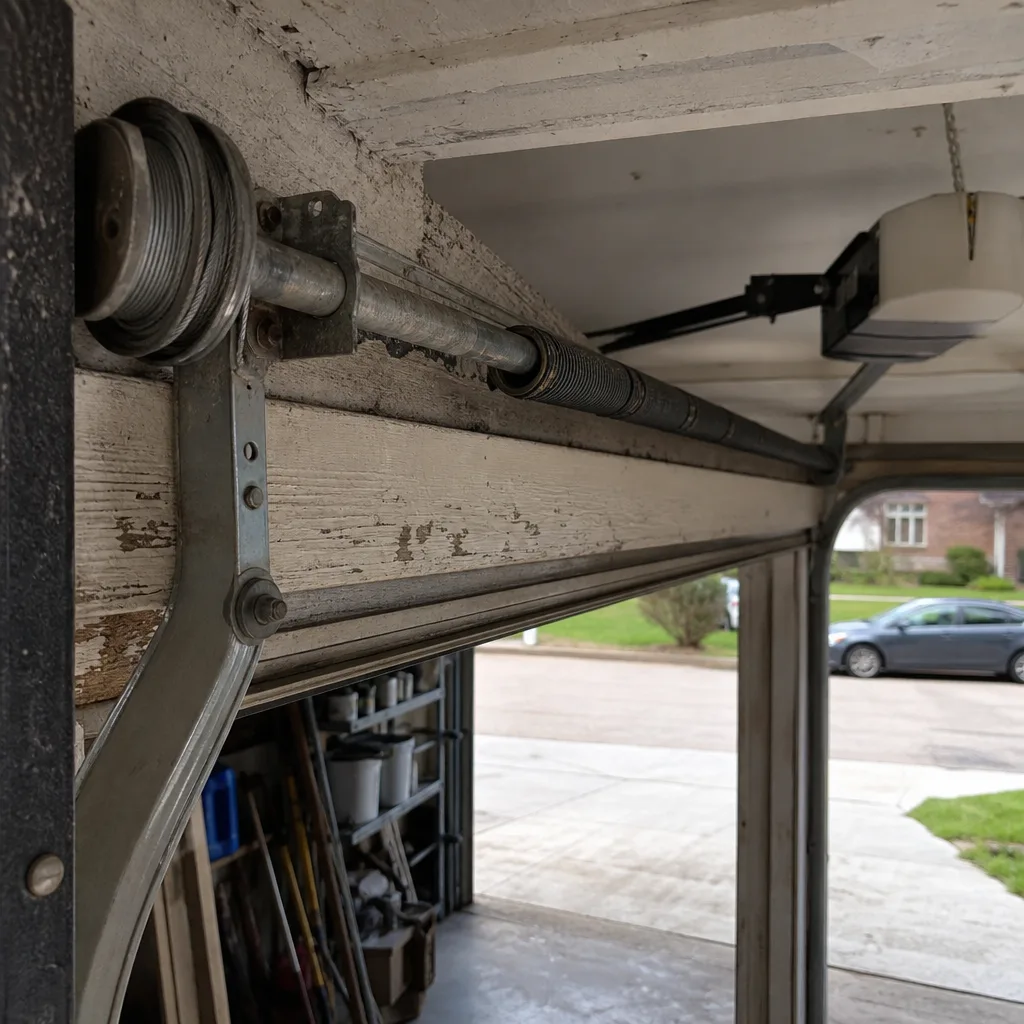
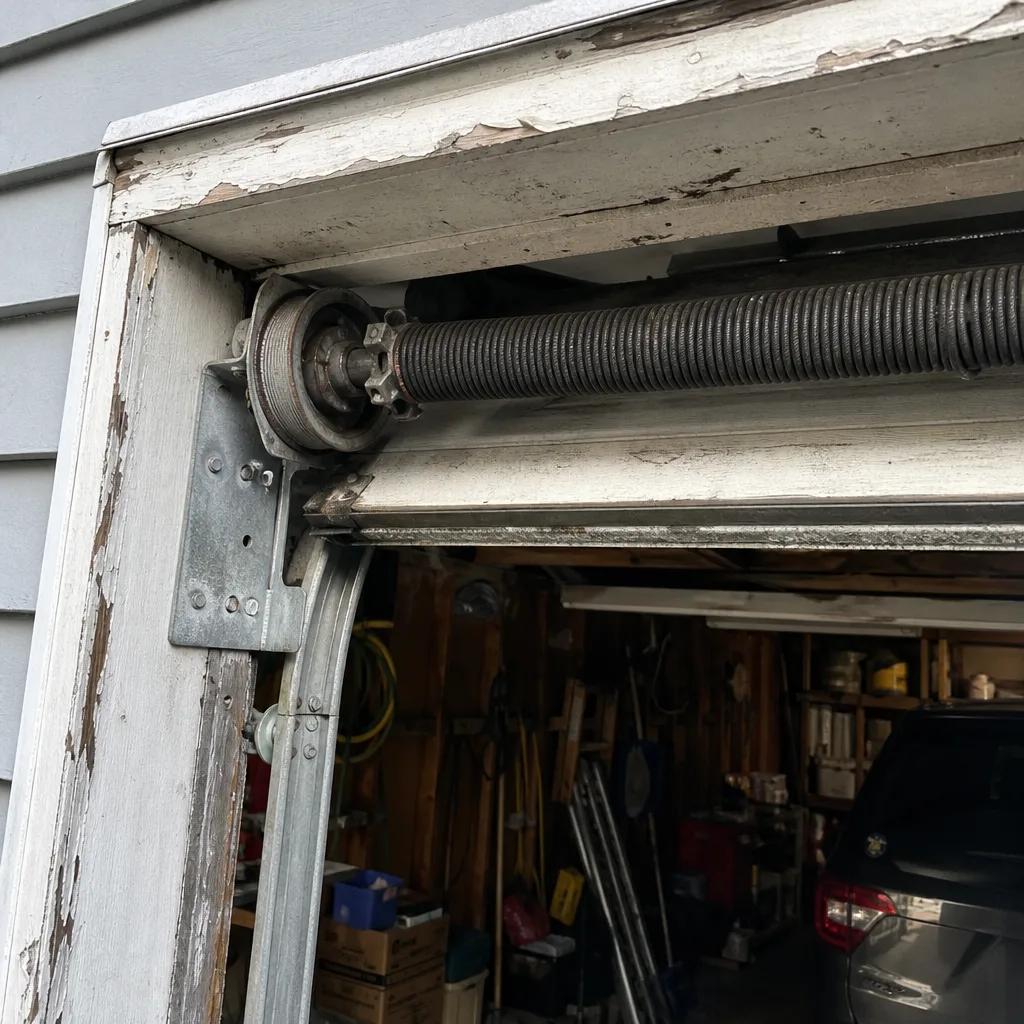
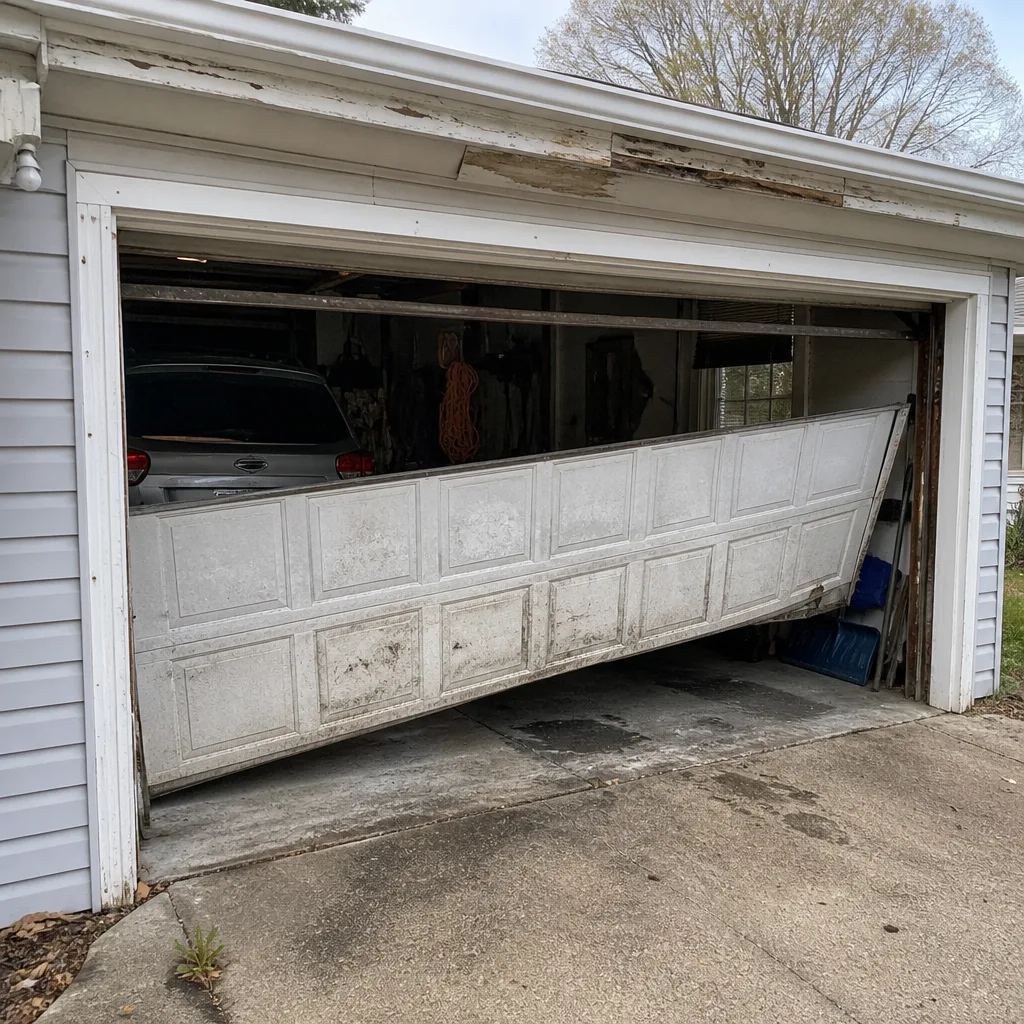 Before
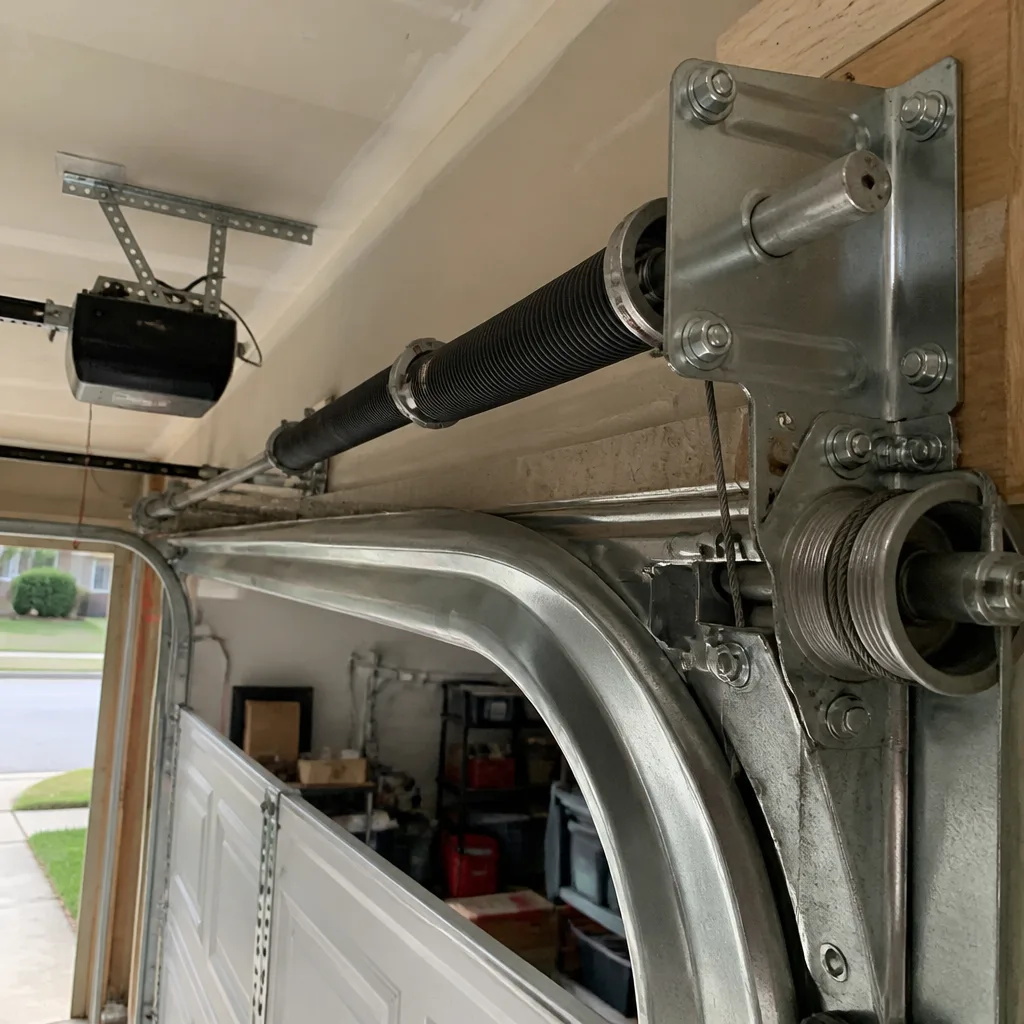
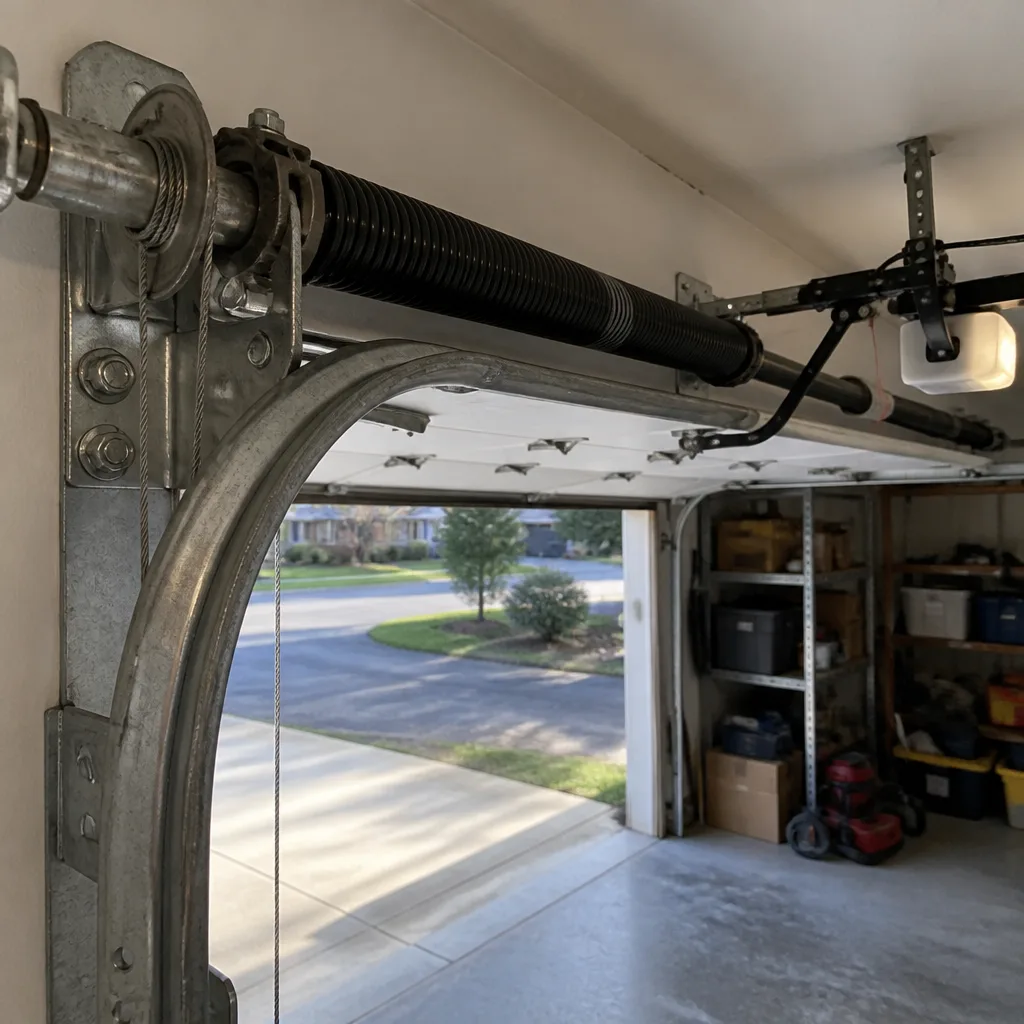
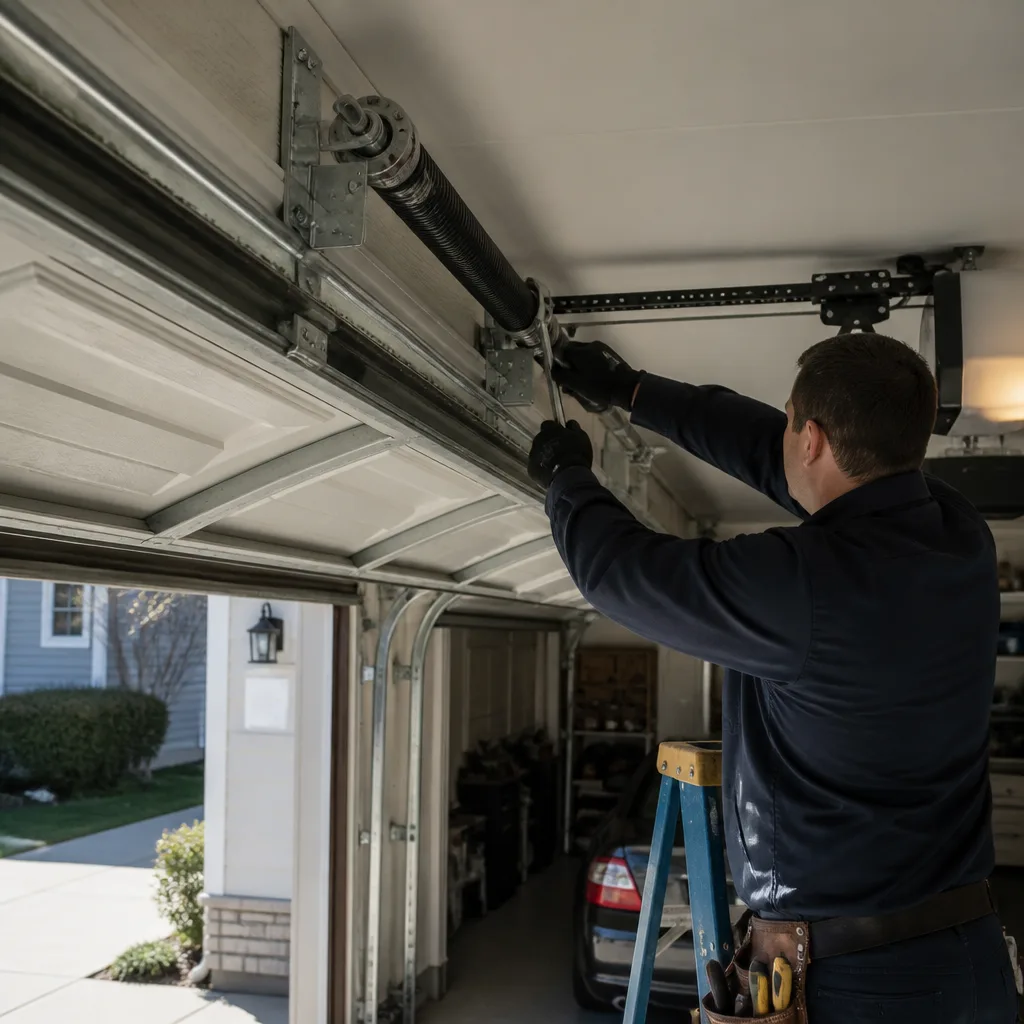 After
 Before
 After
 Before
 After
When to Call a Professional
If your project involves more than a like-for-like door swap, if you’re in a landmark district or historic village, if you’re unsure whether the wiring counts as new work, or if the door feels heavy and the springs look worn, call a garage door professional before you make any irreversible decisions. An experienced New York garage door contractor has navigated these permit questions hundreds of times and can often tell you over the phone whether your project needs a filing. Not sure how to choose one? Read our How to Hire a Garage Door Contractor in New York: A Step-by-Step Guide. Bramwell Garage Doors New York offers free estimates in New York – call (585) 669-6563 and we’ll walk through the permit picture for your specific property before you spend a dollar.
Frequently Asked Questions
No, not for a like-for-like replacement where the door size, weight, and wiring remain unchanged. You do need a permit if the opening changes size, new electrical work is added, the building is landmarked, or you’re converting a swing door to an overhead door. Call (585) 669-6563 to describe your project and we’ll tell you which category you’re in.
The legal responsibility falls on the property owner. Even if the contractor says no permit is needed and they’re wrong, the building department cites the homeowner. Verify permit requirements yourself before work starts.
No, if the door faces a public street and the change alters the building’s appearance. The LPC reviews door material, color, panel style, and window inserts in landmark districts like Brooklyn Heights, Park Slope, and Greenwich Village. Interior or rear-facing doors hidden from view generally fall outside LPC review.
A code-compliant opener must have a functioning auto-reverse mechanism, photoelectric sensors mounted no higher than 6 inches off the floor, correct force settings, and a reachable manual release. Any new electrical circuit for the opener requires an electrical permit and a licensed electrician.
A municipal permit for a structural garage door alteration typically runs $50 to $300 in upstate towns and $130 to $1,200+ for a DOB filing in New York City, plus professional fees if an architect must submit. LPC reviews add modest application fees but 30 to 90 days of processing time.
Unpermitted work is typically discovered during a title search or pre-sale inspection. The buyer can demand a retroactive permit, a price reduction, or a repair escrow. The seller pays to resolve it, and the resolution is always more expensive after the fact than the permit would have been upfront. For a free estimate on any New York garage door project, call (585) 669-6563.
The Bottom Line
Garage door permits in New York come down to one question: is this a like-for-like swap, or is something changing? If the opening stays the same size, the wiring stays the same, and no landmark or HOA review applies, you can replace the door with no paperwork in most New York jurisdictions. If any of those elements change, the permit is the cheapest part of the project. Verify before you buy, pull the permit when required, and hire a contractor who understands the difference. At Bramwell Garage Doors New York, we quote a written price that accounts for the permit requirements of your specific property so there are no surprises on installation day.
Written by Marcus Ellery, Owner at Bramwell Garage Doors New York, serving New York since 2001.