
Last updated October 16, 2026
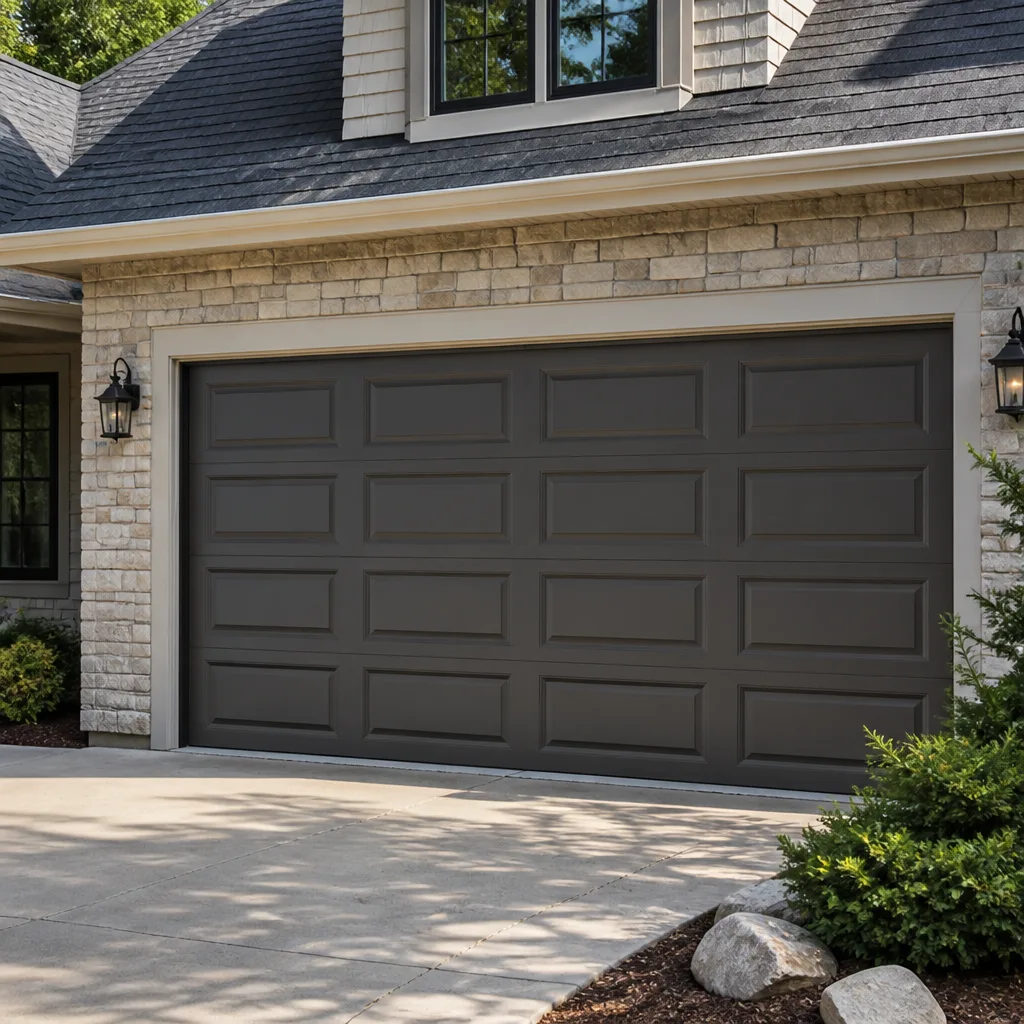 Raised-panel steel
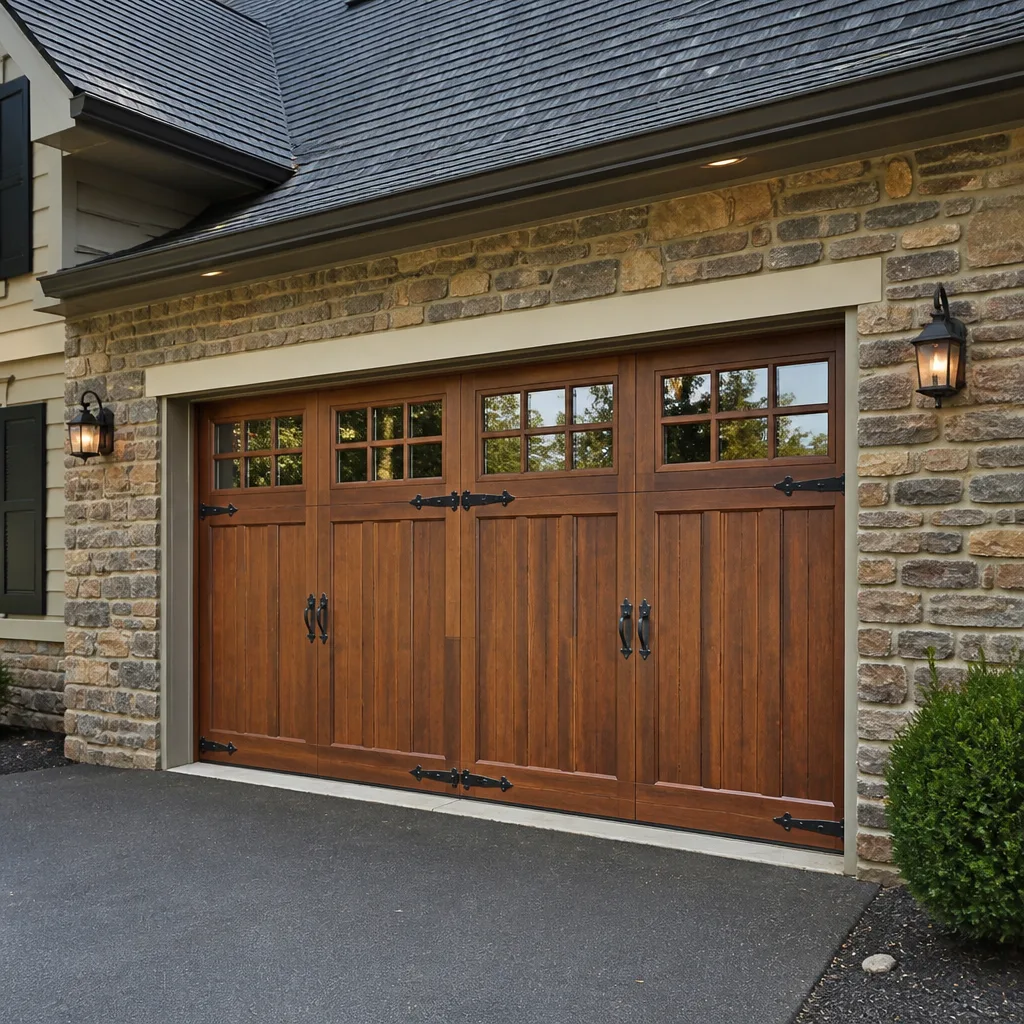 Carriage house
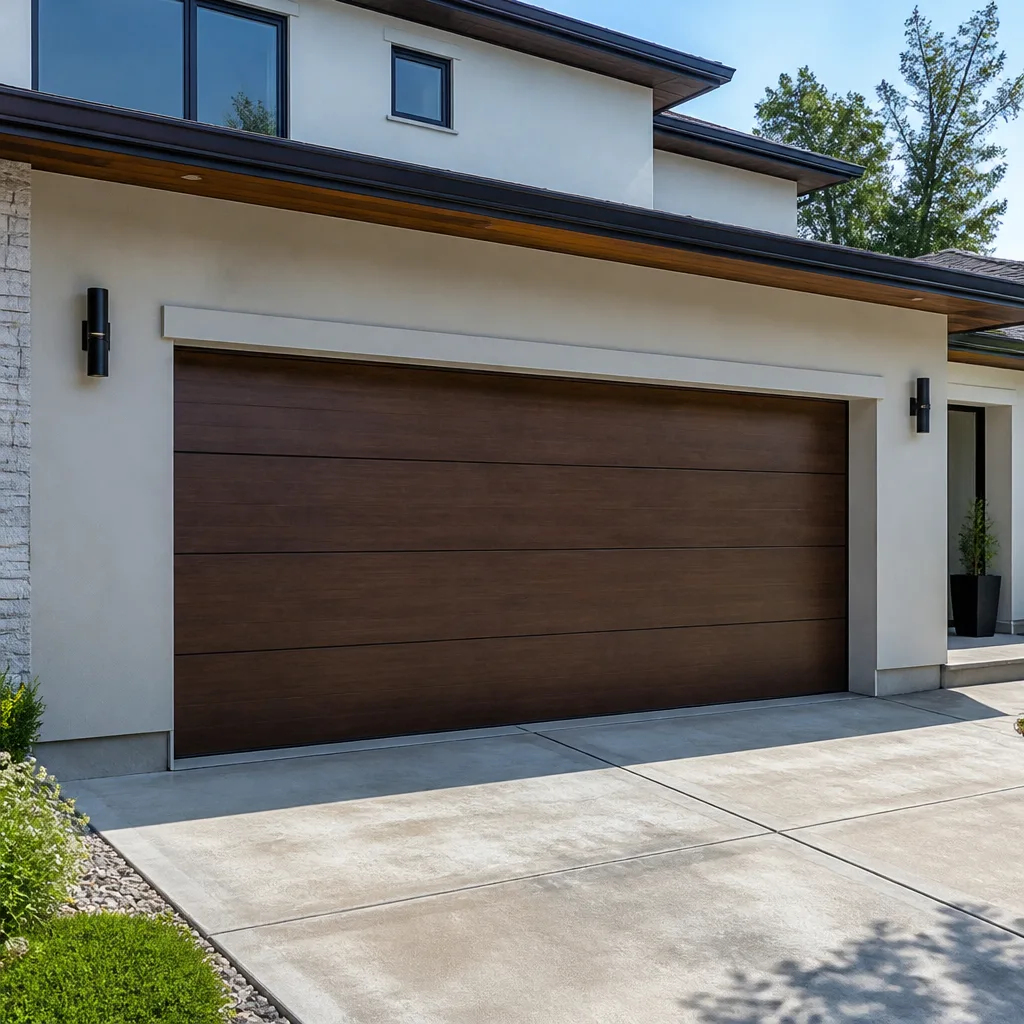 Modern flush
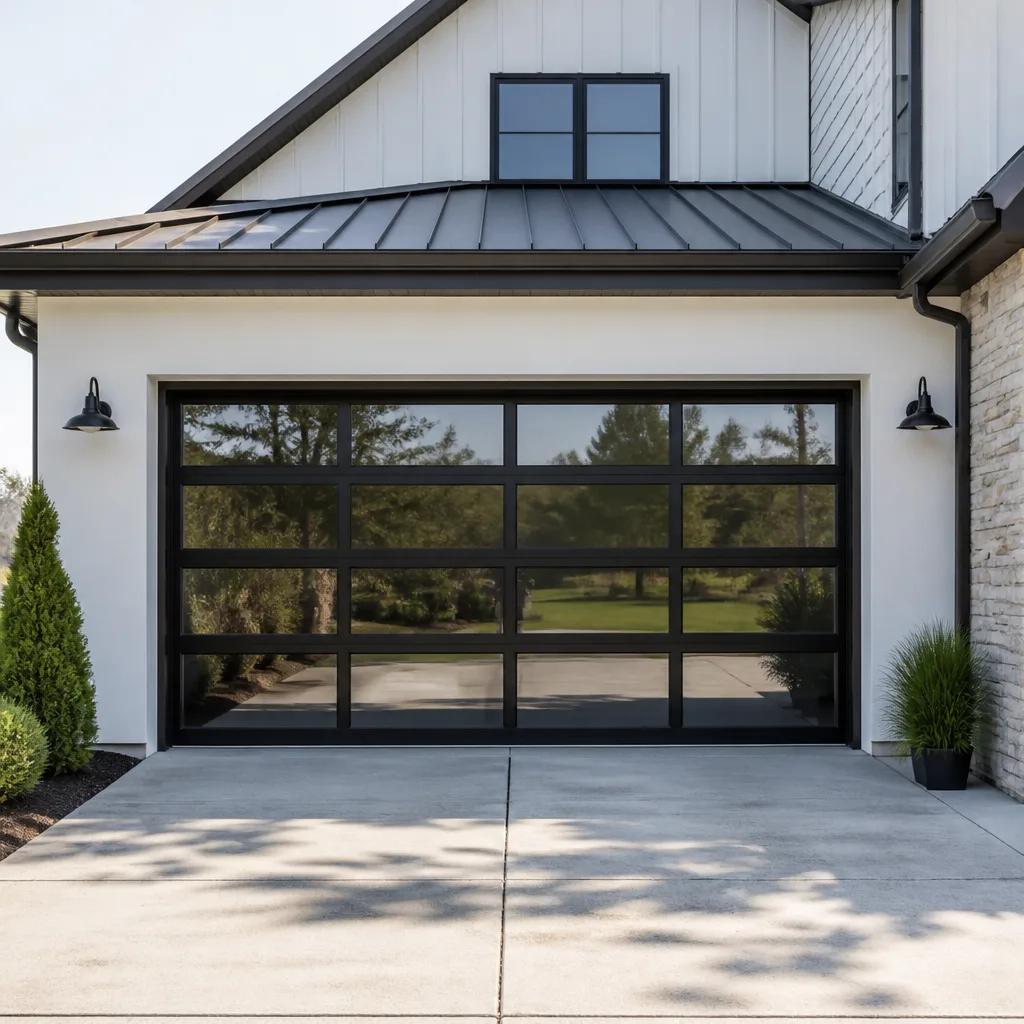 Full-view glass
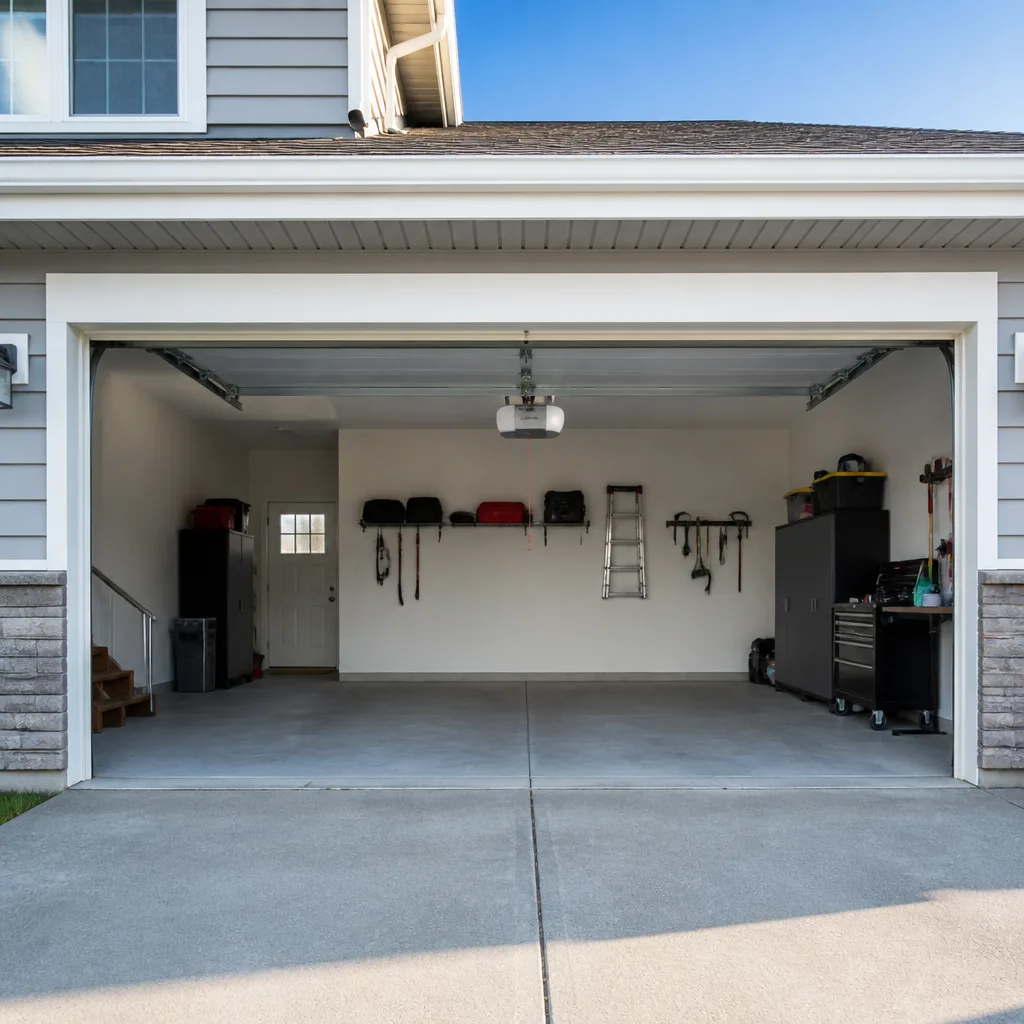 LiftMaster openers
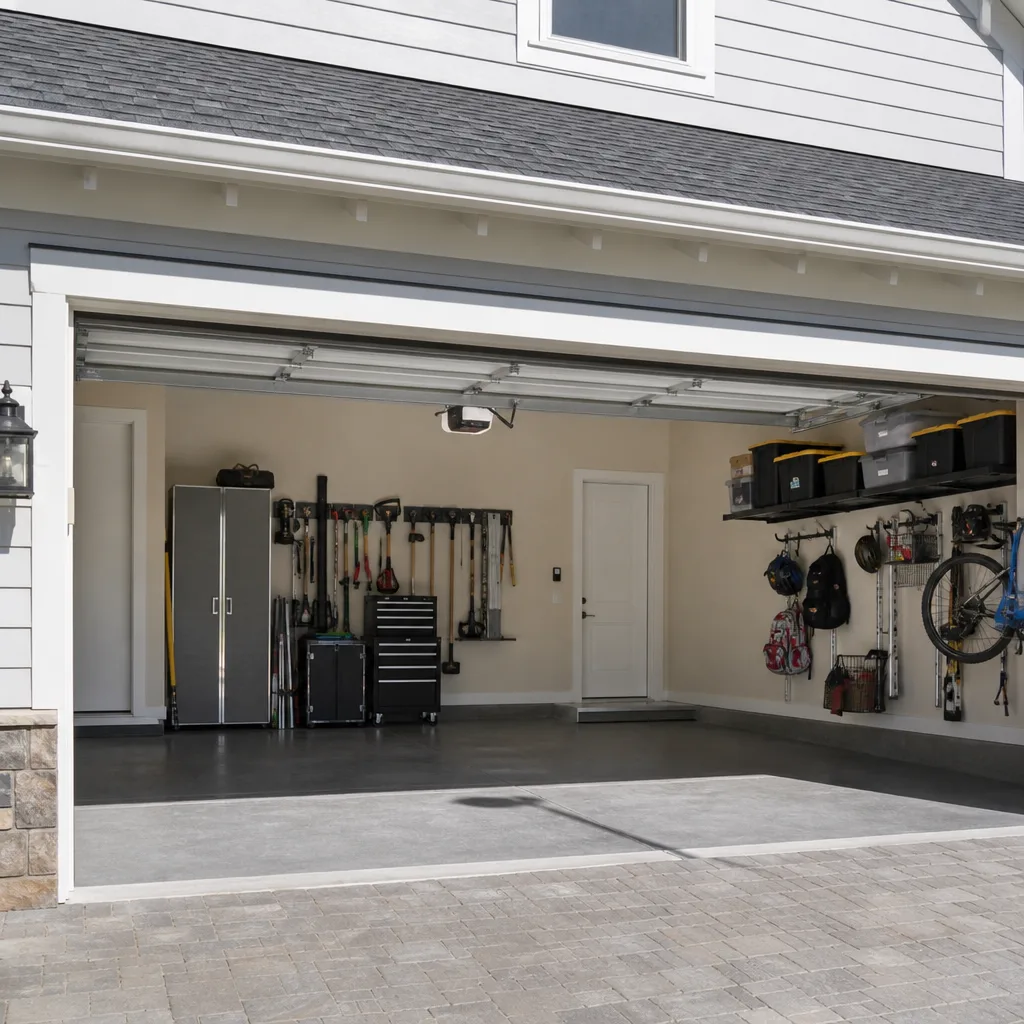 Chamberlain openers
Full 25-point door and opener safety check with every visit - springs, cables, rollers, tracks, and your LiftMaster or Chamberlain opener included
You get a price before we start. It does not change when the truck arrives.
Get your free estimateThe Complete Guide to Garage Door in New York
Here’s a number most New York homeowners never hear until it’s too late: a garage door weighs between 130 and 400 pounds. That’s the weight of a refrigerator or a small piano hanging over your car, your kids, your storage. And in New York, that weight is fighting conditions most national guides never mention: salt air eating hardware from Bay Ridge to Flushing Bay, buildings that predate modern code, co-op boards with their own approval processes, and a contractor landscape where a one-truck operation can vanish without a trace. This guide walks through every major component, what it costs to fix in this market, and how to hire someone who won’t leave you staring at a dead door on a Monday morning. If you own a garage door in New York, this is the reference you’ll wish you had the first time something snapped.
Styles & brands we work with
Quick Answer
A garage door in New York is a mechanical system of springs, tracks, rollers, cables, and an opener, and the most common failure point is the torsion spring, the coiled component above the door that handles most of the lifting weight. Most repair work in the five boroughs runs $150 to $500 depending on the part, and spring replacement is a same-day job when a technician has the part on the truck. The single most important local factor is whether your building falls under New York City Department of Buildings jurisdiction or your own homeowner responsibility, because that determines permits, approvals, and who can legally do the work.
Table of Contents
- Every Major Component, Explained in Plain Language
- How New York’s Housing Stock Changes Everything
- DOB Jurisdiction vs. Homeowner Responsibility: Why the Line Matters
- Salt Air, Shared Walls, and Why Hardware Fails Faster Here
- Co-op and Condo Board Rules: The Approval Layer Nobody Warns You About
- What Repairs Actually Cost in New York
- How to Hire Without Getting Burned
- Common Mistakes to Avoid
- When to Call a Professional
- Frequently Asked Questions
- The Bottom Line
Every Major Component, Explained in Plain Language
Before you can describe a problem accurately on the phone, you need to know what the parts are called. Here’s the full breakdown of what’s inside a typical New York garage door system, using the trade terms first and plain language right after.
Torsion Spring
The torsion spring is the heavy coil mounted on a metal shaft above the door. It stores mechanical energy by winding up when the door closes and unwinding when it opens. This spring, not the opener motor, does most of the actual lifting. A standard torsion spring on a New York single-car door is rated for about 10,000 cycles, which translates to roughly 7 to 10 years of daily use. When it fails, it sounds like a gunshot in the garage. This is the most dangerous component in the entire system because it holds hundreds of pounds of stored torque. We never recommend any homeowner attempt a torsion spring replacement without a trained technician and the correct winding bars.
Extension Spring
Extension springs run along the horizontal tracks on either side of the door and stretch when the door closes. They’re more common on older New York homes and lighter doors. They fail differently than torsion springs: instead of snapping suddenly, they often stretch out and lose tension gradually, so the door gets heavy and sluggish over weeks before it finally refuses to open. A safety cable should always run through the center of each extension spring, because when one breaks, the spring can fly across the garage with enough force to cause serious injury.
Trolley
The trolley is the metal carriage that rides along the opener rail, pulled by a chain, belt, or screw drive. It connects to the door arm and translates the opener motor’s motion into actual door movement. When a trolley wears out or comes off its rail, the opener runs but the door doesn’t move, or the door moves in short, jerky bursts.
Limit Switch
The limit switch tells the opener where the door should stop when fully open and fully closed. When it’s misadjusted, the door either reverses before it hits the floor or grinds against the floor after closing. In New York garages with uneven concrete slabs, limit switches need periodic adjustment because the floor itself shifts with freeze-thaw cycles.
Track and Track Gauge
The tracks are the steel channels on both sides that guide the rollers as the door moves up and down. Track gauge refers to the thickness of the steel: residential tracks are typically 2-inch or 3-inch, and heavier doors need heavier gauge. In attached New York garages with shared walls, a bent or misaligned track often comes from the neighboring structure settling, not from anything the homeowner did.
Rollers
Rollers are the small wheels attached to the door hinges that ride inside the tracks. Nylon rollers run quieter and last longer; steel rollers are louder and need occasional lubrication. In the salt-air corridor near the harbor, steel rollers rust to the point where they seize in the track, which is a call we get frequently in Bay Ridge and along the Belt Parkway corridor.
Cables
Steel cables run from the bottom brackets of the door up to the spring system. They carry the door’s weight when the spring transfers tension. When a cable snaps, the door often drops on one corner or hangs visibly crooked. Cables are under the same tension as the springs and carry the same safety risk.
Photo Eyes
Photo eyes are the small sensors mounted about six inches off the floor on each side of the door opening. They project an invisible beam, and if anything crosses it while the door is closing, the door reverses. In New York garages that double as storage spaces, photo eyes get bumped, knocked out of alignment, or covered in dust more often than in any suburban setup we’ve seen.
How New York’s Housing Stock Changes Everything
Most garage door guides were written for suburban ranch houses in Phoenix, where the garage is a detached box with plenty of clearance and a single owner making all the decisions. New York is a different animal entirely. The housing stock here spans brownstones with converted carriage houses, prewar attached garages, postwar brick rowhouses, and newer condo buildings with underground parking. That variety changes how doors are specified, installed, and repaired.
The most significant difference is shared-wall construction. In a Phoenix suburb, a garage door track bolts to framing that belongs only to you. In a New York rowhouse, the garage shares a wall with the house next door, and the track, the opener rail, and even the spring shaft are often anchored into masonry or framing that runs into the neighboring structure. When the neighbor’s building settles or shifts, your door goes out of alignment. We’ve seen this pattern repeatedly in neighborhoods like Astoria and Sunset Park, where attached garages sit on lots cut narrow a century ago.
Clearance is another reality. Many New York garages have tight headroom between the top of the door opening and the ceiling. That limits the type of opener you can install and the radius of the track curves. A standard 12-inch radius track that works fine in a suburban two-car garage often won’t fit in a converted carriage house in Cobble Hill or a prewar attached garage in Riverdale. The door still works, but the installer needs to know what fits before quoting, not after the parts arrive.
Parking pressure also shapes how people use their garages. In much of New York, the garage isn’t just a place to park a car. It’s a workshop, a bike room, a storage unit, sometimes a home office. That means door systems here get cycled more frequently and carry more weight on the average open-close cycle than doors in places where the garage is strictly for the car. More cycles mean faster spring wear. A spring rated for 10,000 cycles gets consumed faster when the door opens six times a day instead of twice.
DOB Jurisdiction vs. Homeowner Responsibility: Why the Line Matters
Before you hire anyone to work on your garage door in New York, you need to know whether your project falls under New York City Department of Buildings (DOB) jurisdiction or whether it’s a plain homeowner repair. The line is not intuitive, and getting it wrong can mean fines, stop-work orders, or a repair that violates your building’s certificate of occupancy.
Here’s the practical breakdown:
- Repairs and part replacements on existing doors generally fall under homeowner responsibility. Replacing a torsion spring, a cable, a roller, or an opener on an existing door does not typically require a DOB permit, because you’re restoring the existing condition, not changing it.
- New door installations often trigger DOB filing requirements, especially if the door size, type, or structural opening changes. A door that’s wider, heavier, or installed in a different location frequently requires an alteration permit.
- Structural work, including altering the header above the door, changing the foundation, or modifying load-bearing walls, always requires DOB involvement and usually a licensed engineer’s sign-off.
- Work in buildings with multiple dwelling units can fall under different rules. If your garage is part of a condo building or a multi-family structure, the building’s DOB classification may require additional review even for work that would be a simple repair in a single-family home.
Why should a New York homeowner care about this line before the technician shows up? Because the contractor doing the work is responsible for knowing which side of it their job falls on. A technician who casually suggests skipping a required filing is transferring risk to you. A technician who knows the DOB landscape can tell you, before the work starts, whether your job is a same-day repair or a project that needs paperwork. This is one of the reasons garage door repair in New York requires local experience, not just a national franchise playbook.
If you’re unsure about your building’s status, ask the person you’re hiring one direct question: “Is this job a repair or an alteration under DOB rules?” If they can’t answer in one sentence, keep looking.
Salt Air, Shared Walls, and Why Hardware Fails Faster Here
New York’s geography creates a corrosion problem that most national garage door guides simply never address. The salt-air corridor runs from Bay Ridge and the Narrows up through Red Hook, along the East River through Williamsburg and Long Island City, and across to Flushing Bay. In this band, airborne salt accelerates rust on every exposed metal component of a garage door system: springs, cables, rollers, hinges, track brackets, even the opener rail.
What does that mean in practical terms? A torsion spring that lasts a decade in inland New Jersey may fail in seven years a half-mile from the harbor in Bay Ridge. Steel rollers that would run fine for years in central Queens can seize in their tracks within three seasons in Red Hook. Hinges that never cause trouble in Yonkers can rust through in Long Island City. The salt air eats hardware, and it eats it unevenly: the side of the door facing the water corrodes faster than the side facing the street.
Shared-wall construction compounds this. In attached New York garages, moisture doesn’t just come from outside. It migrates through the shared masonry wall from the neighboring building, especially if that neighbor’s garage is unheated or if the shared wall has no vapor barrier. Condensation forms on the metal components closest to the wall, and the rust starts from the inside. We’ve opened up spring systems in attached garages in Astoria where the spring looked fine from the front and was pitted with rust where it faced the neighbor’s wall.
The practical takeaway for a New York homeowner: expect shorter service life on metal components if you’re within a mile of the water, and inspect the door’s hardware at least twice a year. Look for rust on the springs and cables, listen for grinding from the rollers, and feel for resistance when you open the door manually. An inspection that catches a pitted spring at year six beats a spring that snaps through the car at year seven.
Co-op and Condo Board Rules: The Approval Layer Nobody Warns You About
If you own a co-op or condo in New York with a garage, you may not actually own the garage door the way a single-family homeowner does. The door might be a building common element, a limited common element assigned to your unit, or your own property depending on what the proprietary lease or condo declaration says. That distinction determines who is responsible for repair costs and who needs to approve any work before it happens.
In many outer-borough co-ops, the garage door is classified as a building element, which means the board is responsible for repairs and has the final say on contractors. In other buildings, the door belongs to the unit owner, but any modification, including a new opener or a door of a different material, requires board approval because it affects the building’s exterior appearance. In condo buildings, the line is usually drawn at the drywall: mechanical systems serving a single unit may be the unit owner’s responsibility, while anything in a common area belongs to the association.
This approval layer has real consequences for scheduling and cost. A homeowner in a private house can call a repair company on Monday and have a spring replaced by Tuesday. A co-op owner may need to wait for the next board meeting, submit a proposal in writing, and get sign-off before any work begins. If the work fails a second time, the board may require using a different contractor or a more expensive specification. None of this appears in a generic garage door guide.
The practical move is to read your proprietary lease or condo declaration before you call anyone. Know which category your garage door falls into. Then, when you call a company, tell them upfront whether board approval is required, because a good company will prepare a written quote and scope of work that a board can review. If you’re in an attached garage in a co-op building, your job is not just a repair. It’s a repair with a paperwork layer attached, and the technician needs to know that on day one. We cover this in more depth in our garage door installation in New York guide.
What Repairs Actually Cost in New York
New York pricing is not national pricing. Labor rates here are higher than the national average, parts need to withstand salt air and heavier cycle counts, and parking a service vehicle at your building costs the company real money in time and logistics. Here’s what homeowners in the five boroughs can expect to pay for the most common garage door work, based on our experience serving New York since 2001.
| Repair Type | Typical Price Range | What It Includes |
|---|---|---|
| Torsion spring replacement | $180 – $340 | Spring, labor, balance check, lubrication |
| Extension spring replacement (pair) | $150 – $260 | Both springs, safety cables, adjustment |
| Cable replacement (pair) | $120 – $220 | Both cables, tension reset, alignment check |
| Roller replacement (full set) | $140 – $220 | All rollers, including nylon or steel per spec |
| Opener repair (logic board, limit switch, etc.) | $110 – $280 | Part-specific, includes diagnosis |
| Track realignment | $90 – $180 | Alignment, bolt tightening, spring rebalancing |
| Full door replacement | $900 – $3,500+ | Door, tracks, springs, installation, haul-away |
The single most common repair is the torsion spring replacement, and in New York most of those run $180 to $340 parts and labor included, depending on the spring size and the door weight. That’s the price range to expect before you call, and a reputable company will quote you the exact number before any work starts. If your door needs garage door spring repair in New York, the spring should be replaced the same day, because a technician running service calls in the city carries the common spring sizes on the truck.
One pricing note that matters more in New York than in the suburbs: the quote you get on the phone should be the price on the invoice. If a company gives you a price on the phone and then changes it when the technician arrives at your co-op or condo building, that is not a negotiation. That is a door-step change, and it’s the number one complaint we hear from New York homeowners who have been burned before.
How to Hire Without Getting Burned
The contractor landscape in New York is full of one-truck operations, no accountability, and phone numbers that stop working after a bad job. Here’s the vetting process we recommend, based on two decades of watching what works and what doesn’t in this market.
- Ask about the written price upfront. Before the technician arrives, you should know what the repair will cost. The price should be delivered in writing before any work starts. If a company won’t put the number on paper, the number is not real.
- Ask about the arrival window. A real company gives you a real window, like “between 9 and 11,” not “sometime this afternoon.” In New York, where parking and logistics affect every service call, a tight window is a signal that the company actually runs a schedule.
- Ask what guarantee comes with the repair, and for how long. The answer should be specific. At Bramwell Garage Doors New York, every repair is backed by the 365-Day Done Right Promise: if the repair fails within a year, we come back and fix it at no charge, and that commitment is in writing. If a company can’t name their guarantee in one sentence, they don’t have one.
- Ask whether the technician is background-checked and uniformed. You’re letting a stranger onto your property in a city where security matters. You should know who’s pulling up to your house before they get out of the truck.
- Ask whether they service your brand. Major brands like LiftMaster, Genie, and Raynor have their own quirks. A company authorized to service them is not guessing at your opener’s wiring diagram.
- Call after hours once, just to see what happens. The phone should be answered by a live person, not a voicemail tree. In New York, a garage door that won’t close at 11 p.m. is a security problem, not a scheduling inconvenience. A live person answering the phone 24/7 is the baseline expectation.
The goal is not to find the cheapest door repair in New York. The goal is to find a company that shows up, gives you a written price, does the job correctly, and stands behind it in writing. That combination is rarer than it should be in this market.
Common Mistakes to Avoid
- Ignoring a noisy door for months. Grinding, squealing, or rattling doors are telling you something is wearing out. In New York, a noisy roller or dry spring turns into a snapped cable or broken spring faster than in drier climates, because the components are already working harder against salt air and tighter clearances.
- Attempting a DIY spring replacement. Torsion springs hold hundreds of pounds of stored mechanical energy. The correct winding bars, the correct procedure, and the correct spring size are all non-negotiable. A wrong move can cause life-threatening injury. Call a professional.
- Hiring without confirming the written price. Phone-quote-then-doorstep-change is a recognized pattern in the New York repair market. If the number isn’t in writing before work starts, you’re taking a risk you don’t need to take.
- Not checking co-op or condo board requirements before scheduling. In attached New York buildings, a repair is often an approval process, not just a service call. Skipping the board means you may pay for work that has to be undone or redone.
- Choosing a company based only on the lowest phone quote. The lowest quote in New York often comes from a company that can’t account for parking costs, doesn’t carry parts on the truck, or doesn’t stand behind the work. The cheapest repair is the one you pay for twice.
- Replacing the opener when the springs are the problem. When a door won’t open, homeowners often assume the motor failed. In our experience across New York, the spring is the more common culprit. Replacing the opener without addressing the spring means the new opener will burn out faster.
- Forgetting to test the auto-reverse safety feature regularly. Place a roll of paper towels in the door’s path and close the door. If the door doesn’t reverse, the photo eyes or the force setting needs attention. This simple check takes 30 seconds and it’s the difference between a working door and a liability.
When to Call a Professional
Some garage door tasks are reasonable for a hands-on New York homeowner-see our DIY vs Professional Garage Door: The New York Homeowner’s Decision Guide-but even reasonable tasks like lubricating rollers, tightening visible bolts on the track brackets, and cleaning and realigning photo eyes have limits. But the line is bright when it comes to anything under spring tension. If your torsion spring is broken, your cables are frayed, or the door is off its tracks, call a professional. The energy stored in those components can cause serious injury, and the tools and procedures needed to work on them safely are not worth improvising.
Beyond safety, there’s a competence argument. A garage door system that’s repaired with the wrong spring size, the wrong track gauge, or the wrong opener for the clearance available will fail again, and sooner. If you’re in New York and you want a written price, a real arrival window, and a guarantee in writing, Bramwell Garage Doors New York offers free estimates in New York. Call (585) 669-6563 and someone will answer.
Frequently Asked Questions
A torsion spring in New York typically lasts 7 to 10 years with daily use, but springs fail sooner in the salt-air corridor from Bay Ridge to Flushing Bay, where corrosion accelerates metal fatigue by 20 to 30 percent. The spring’s cycle rating, not its age, is the real determinant: a 10,000-cycle spring used twice a day lasts about 13 years; the same spring used six times a day lasts about four and a half. Call (585) 669-6563 for an exact quote if yours is nearing replacement age, estimates are free.
Yes, most spring replacements and common repairs are done the same day when the technician carries the part on the truck, which is standard for experienced New York service companies. In co-op and condo buildings with board approval requirements, the repair may be same-day technically but scheduling is governed by the board’s process, not the technician’s availability. If your door is stuck open or won’t close, call right away; the phone is answered by a live person 24/7.
Most repairs, including spring replacement, cable replacement, and opener repair, do not require a DOB permit because they restore an existing door to its original condition. For full details, read our guide to Garage Door Permits, Codes & Inspections in NY: What You Need to Know. New installations or alterations that change the door size, location, or structure often do require filing, especially in multi-dwelling buildings. Ask your contractor directly: “Is this a repair or an alteration under DOB rules?” and get the answer in writing. Call (585) 669-6563 for a free assessment of your situation.
Not if you’re working with a company that gives a written price before any work starts. The price quoted over the phone should be the price on the invoice, and that’s the standard at Bramwell Garage Doors New York. If a company tries to change the price after arriving at your home, you’re allowed to send them away. The number you hear before work starts is the number you pay when the job is done, and it’s in writing.
Yes, experienced New York technicians carry the most common spring sizes, cables, rollers, hinges, and opener parts on the truck, because parking a service vehicle in the five boroughs is hard enough without making a second trip for parts. Torsion springs, the most common repair, are stocked in the common weight ratings and sizes. Call (585) 669-6563 to confirm the specific part your door needs is in stock before scheduling.
Bramwell Garage Doors New York is authorized to service all major brands including LiftMaster, Chamberlain, Genie, and Raynor, along with Clopay, Amarr, Wayne Dalton, and Craftsman. Most repair parts are interchangeable across brands, but openers have brand-specific logic boards and remotes, so it matters that the technician actually knows your opener’s wiring, not just door mechanics generally. If you can see a brand name on the opener or the door’s inside panel, mention it when you call.
The Bottom Line
Your garage door in New York is a mechanical system under real stress from salt air, shared walls, tight clearances, and heavy daily use. The most important facts to carry away: springs fail on a schedule, not by surprise, and the signs show up as noise and sluggishness weeks before a failure. Repairs on existing doors are usually your responsibility and don’t need DOB permits; alterations and new installs often do. Co-op and condo owners need board approval in many cases, and they should know that before scheduling, not after. When you hire, you’re looking for a written price, a real arrival window, a clean job site, and a written guarantee that says exactly what happens if the repair fails. That’s the Kingswell standard, and it’s what we’ve built Bramwell Garage Doors New York around since 2001. If your door needs work, call (585) 669-6563. A live person will answer, and you’ll get a free estimate with a price that doesn’t change at the door.
Written by Marcus Ellery, Owner at Bramwell Garage Doors New York, serving New York since 2001.
See the difference
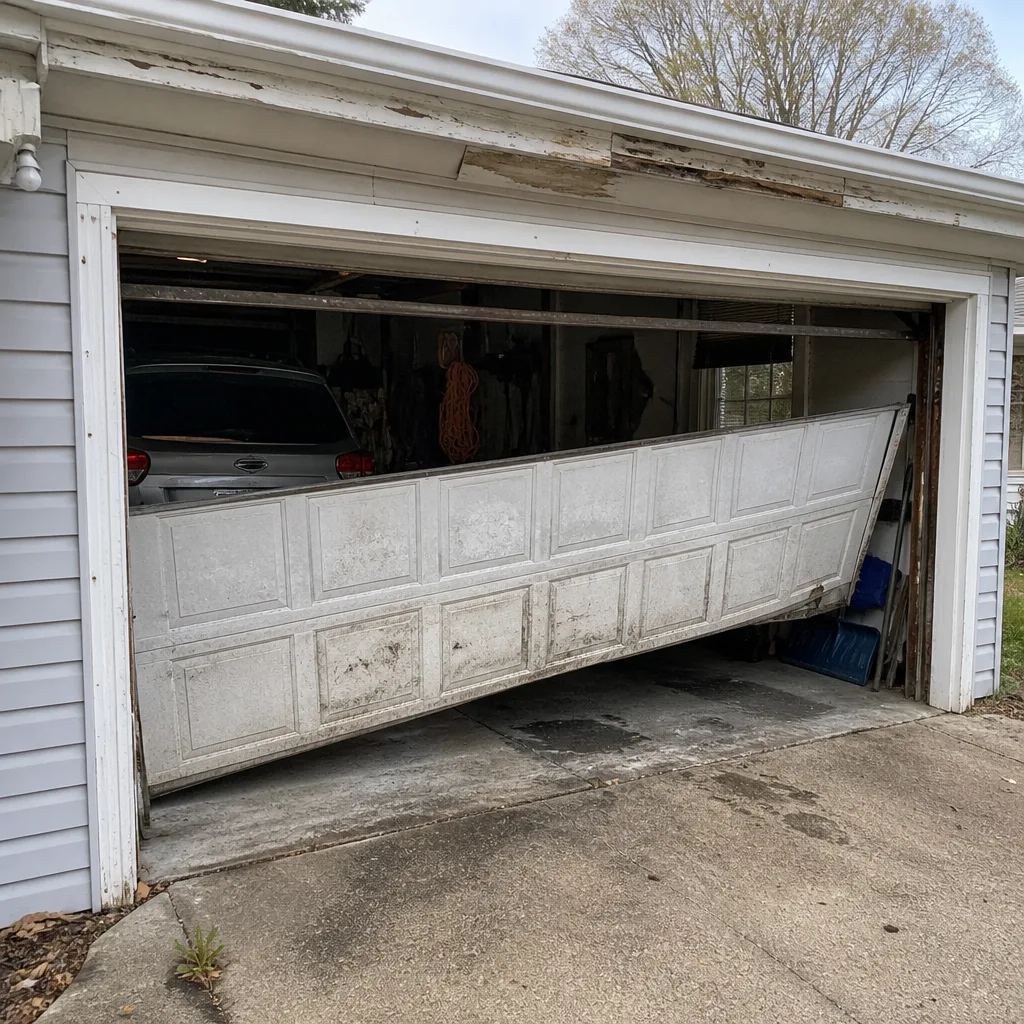 Before
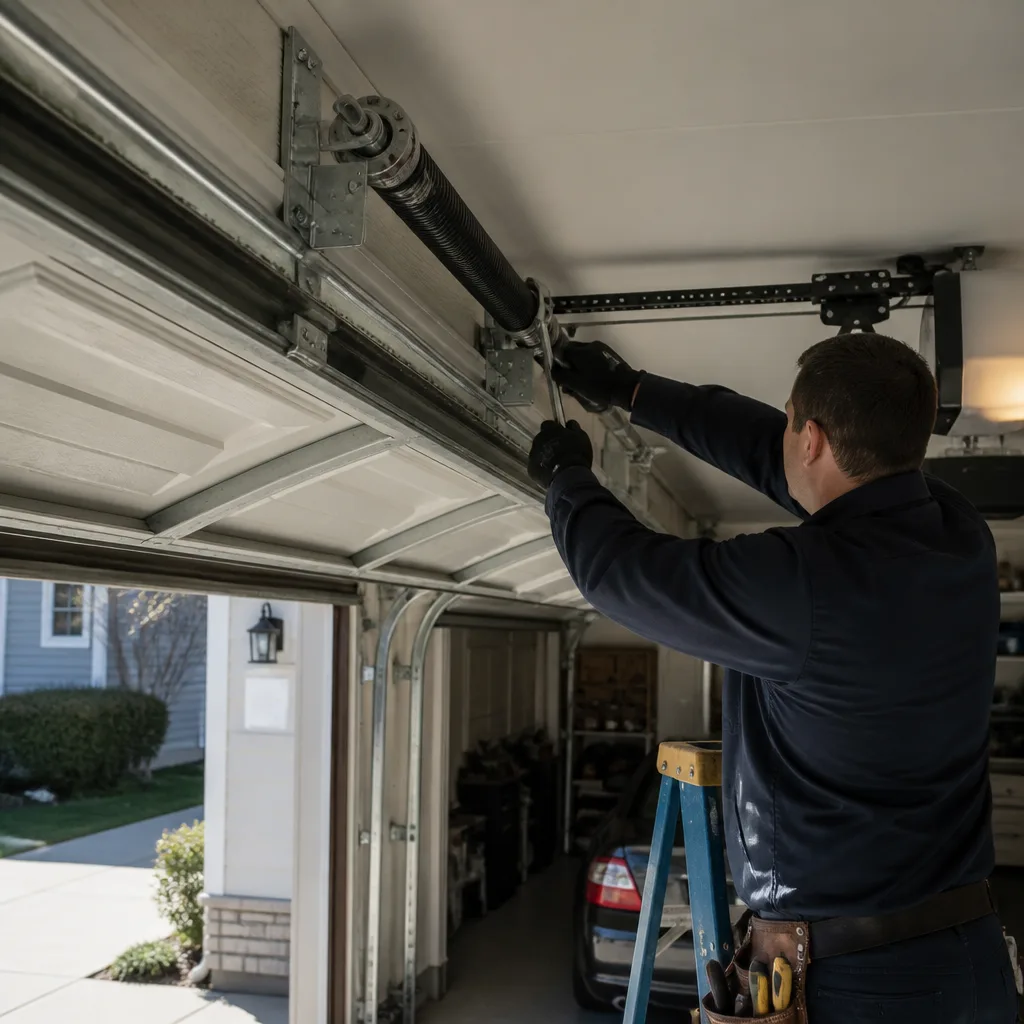 After
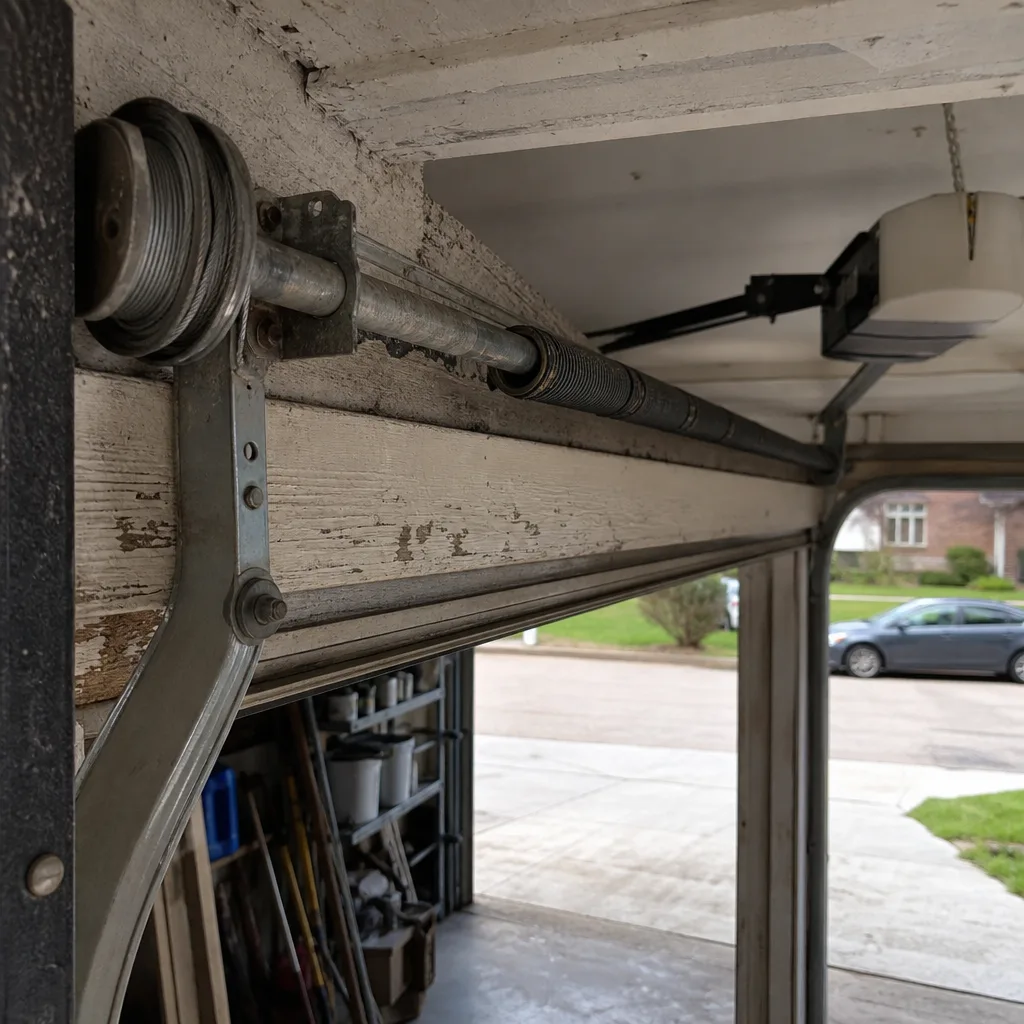 Before
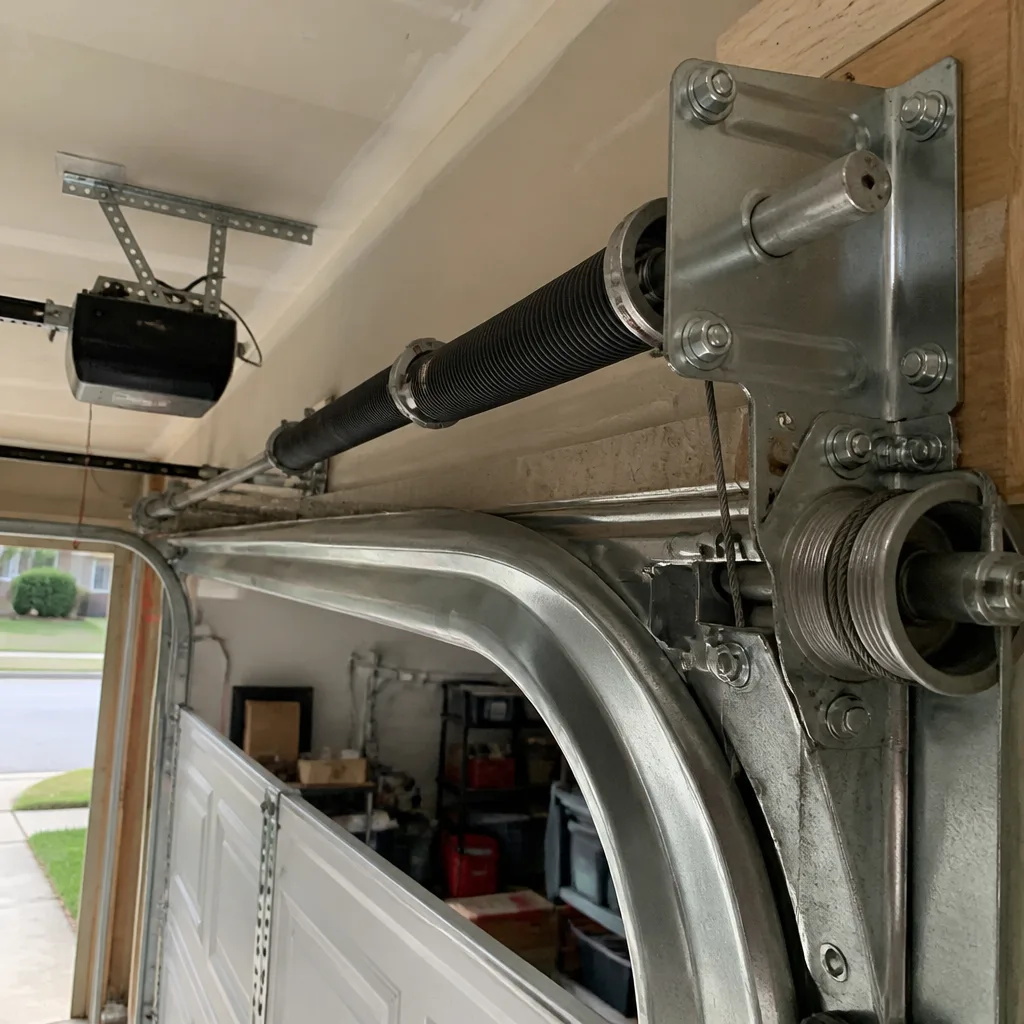 After
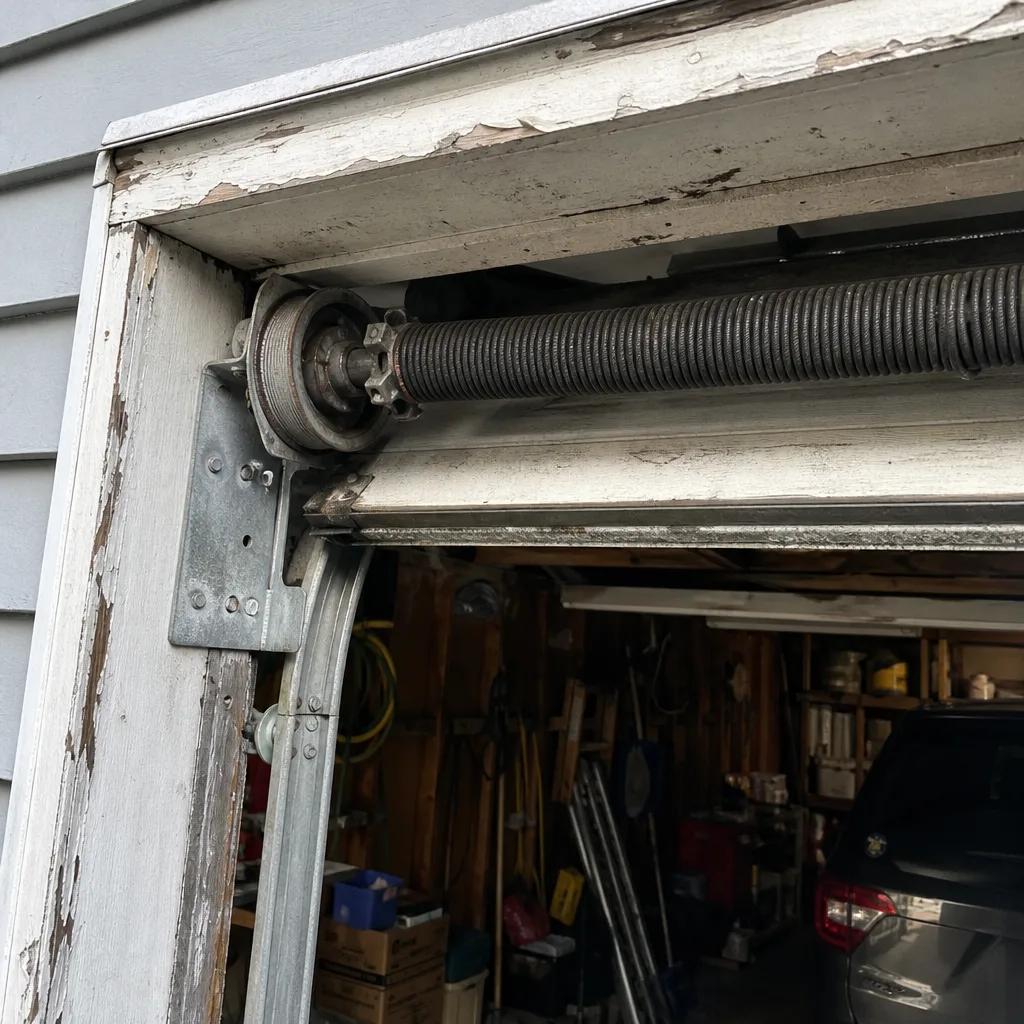 Before
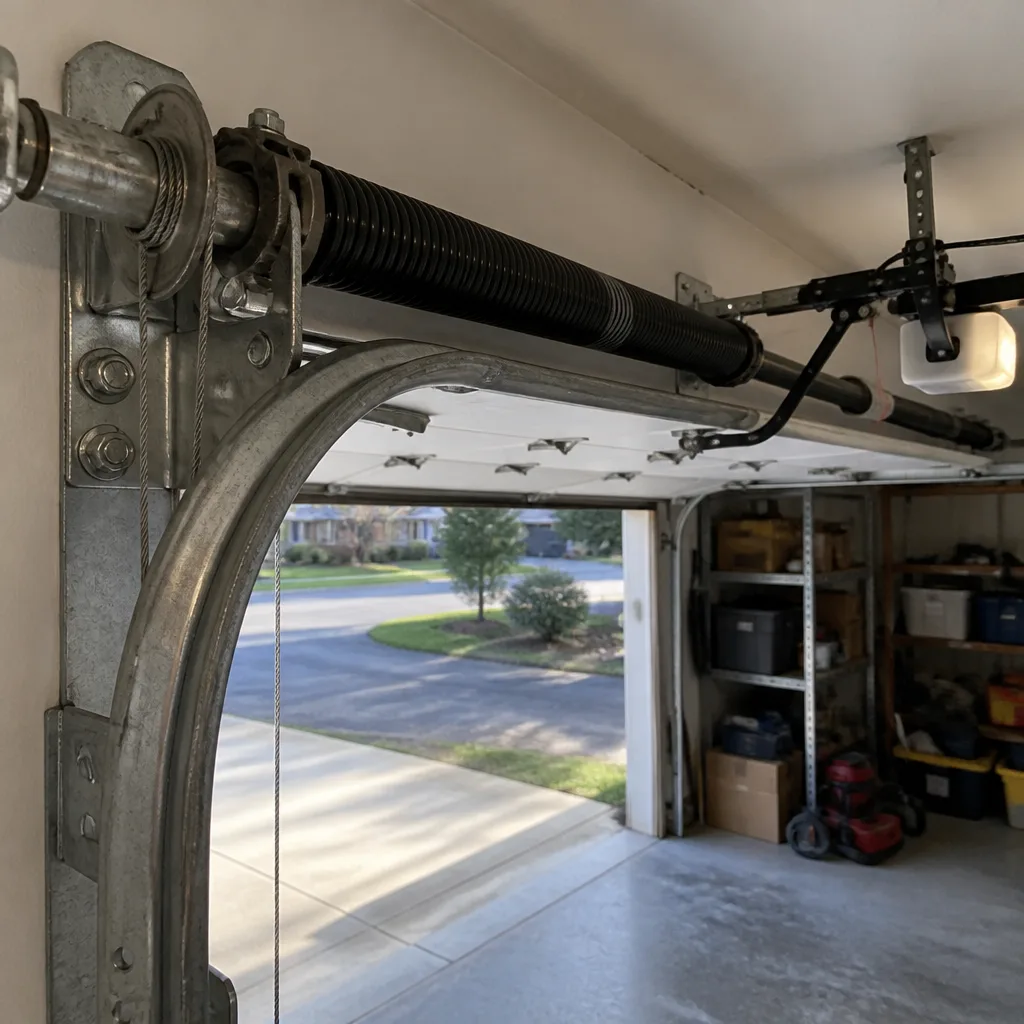 After