
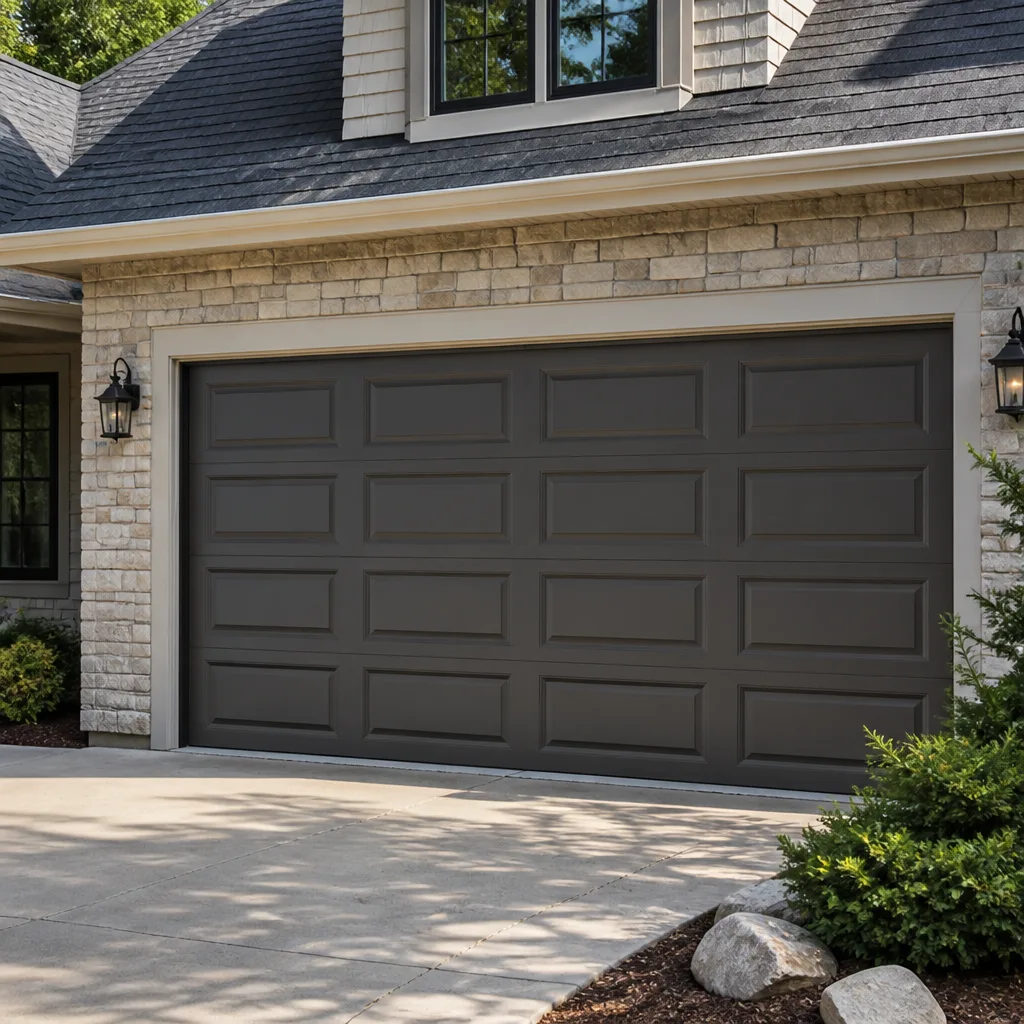
 Raised-panel steel
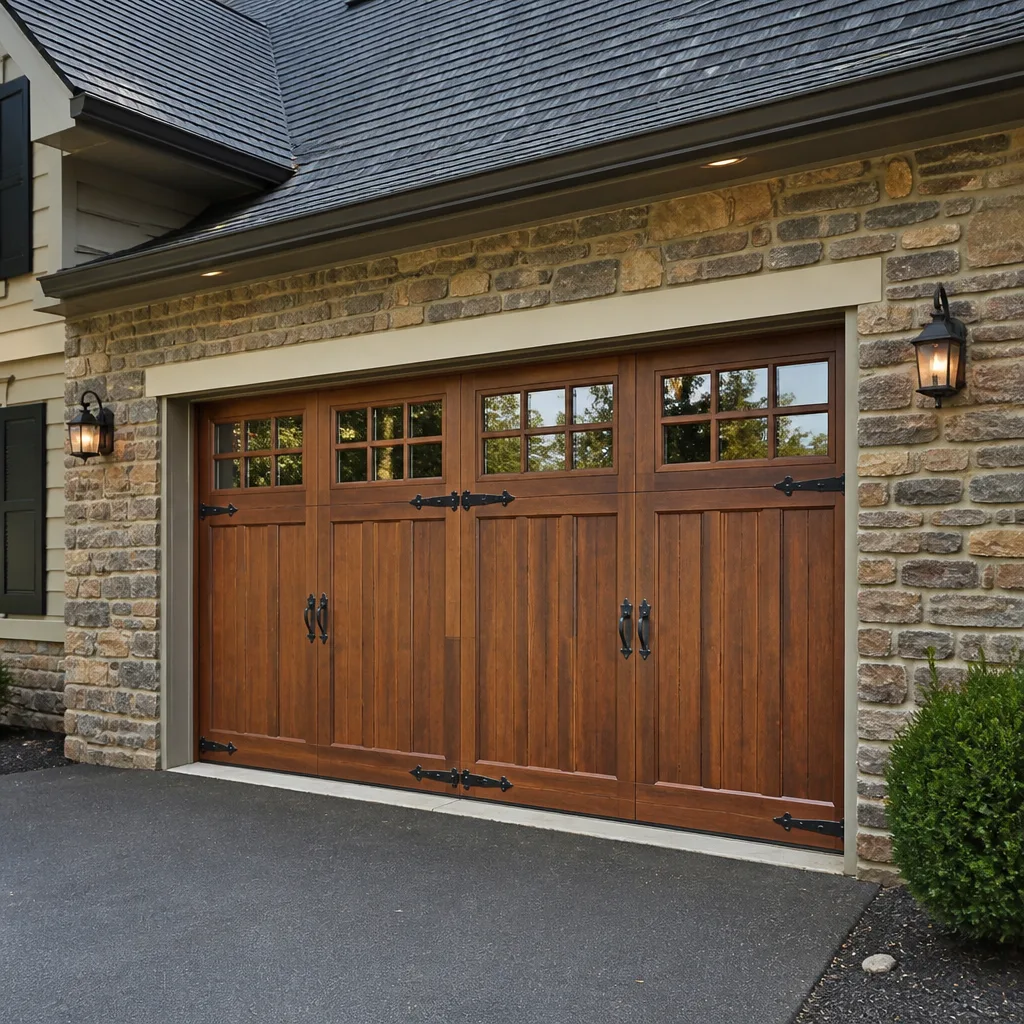 Carriage house
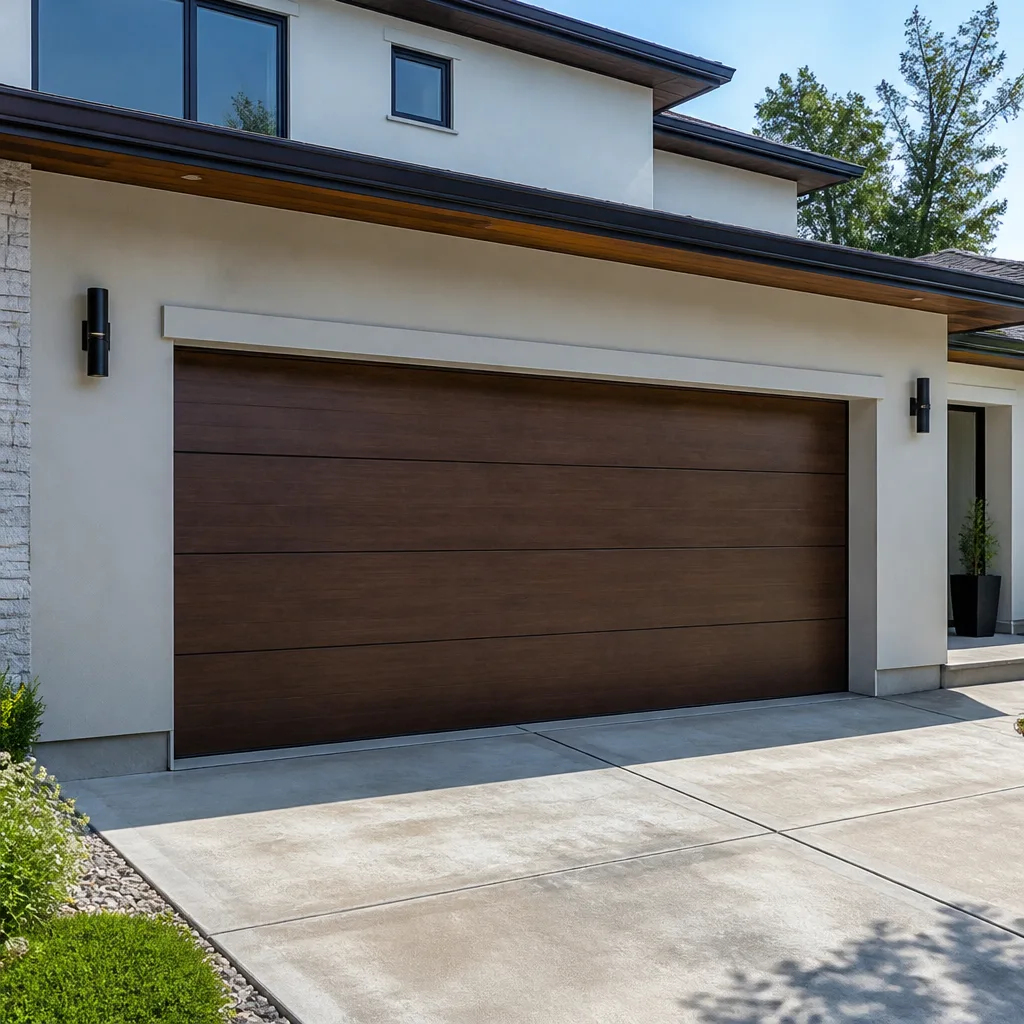 Modern flush
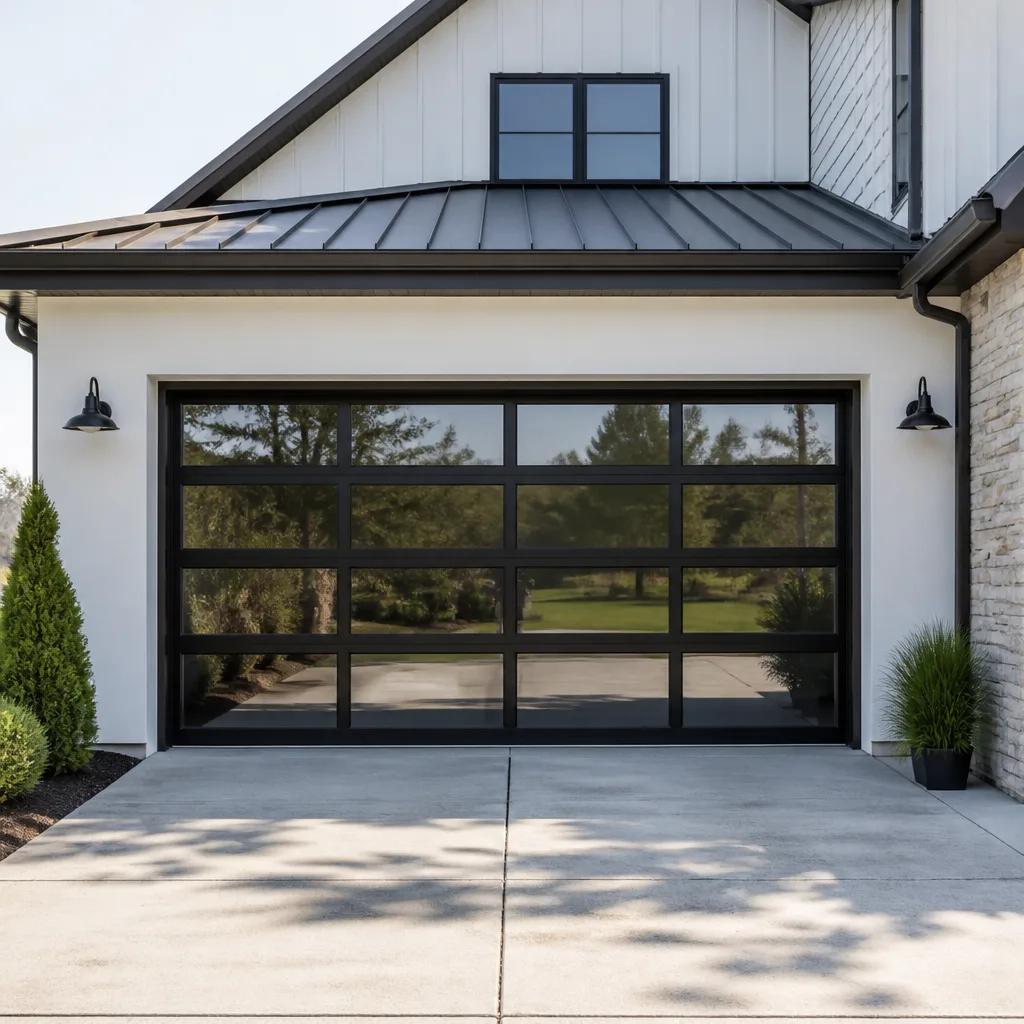 Full-view glass
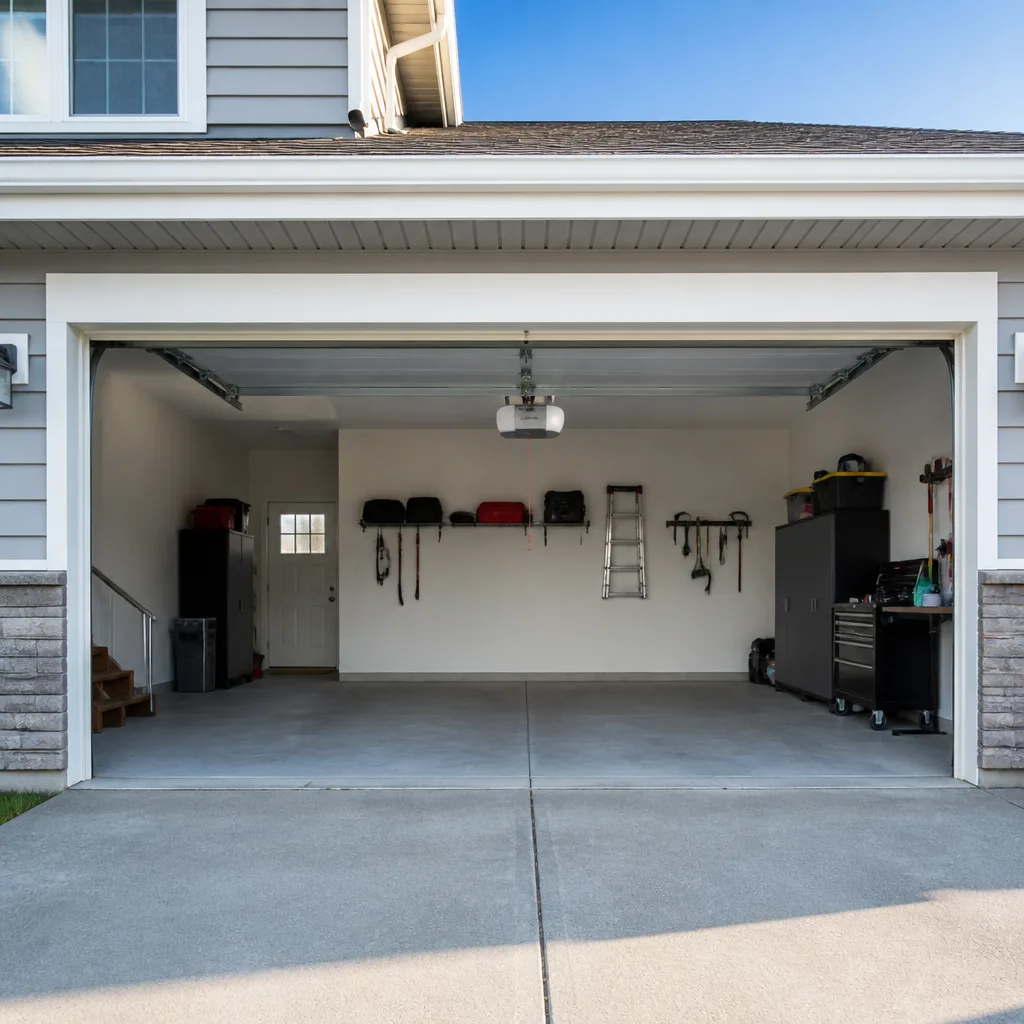 LiftMaster openers
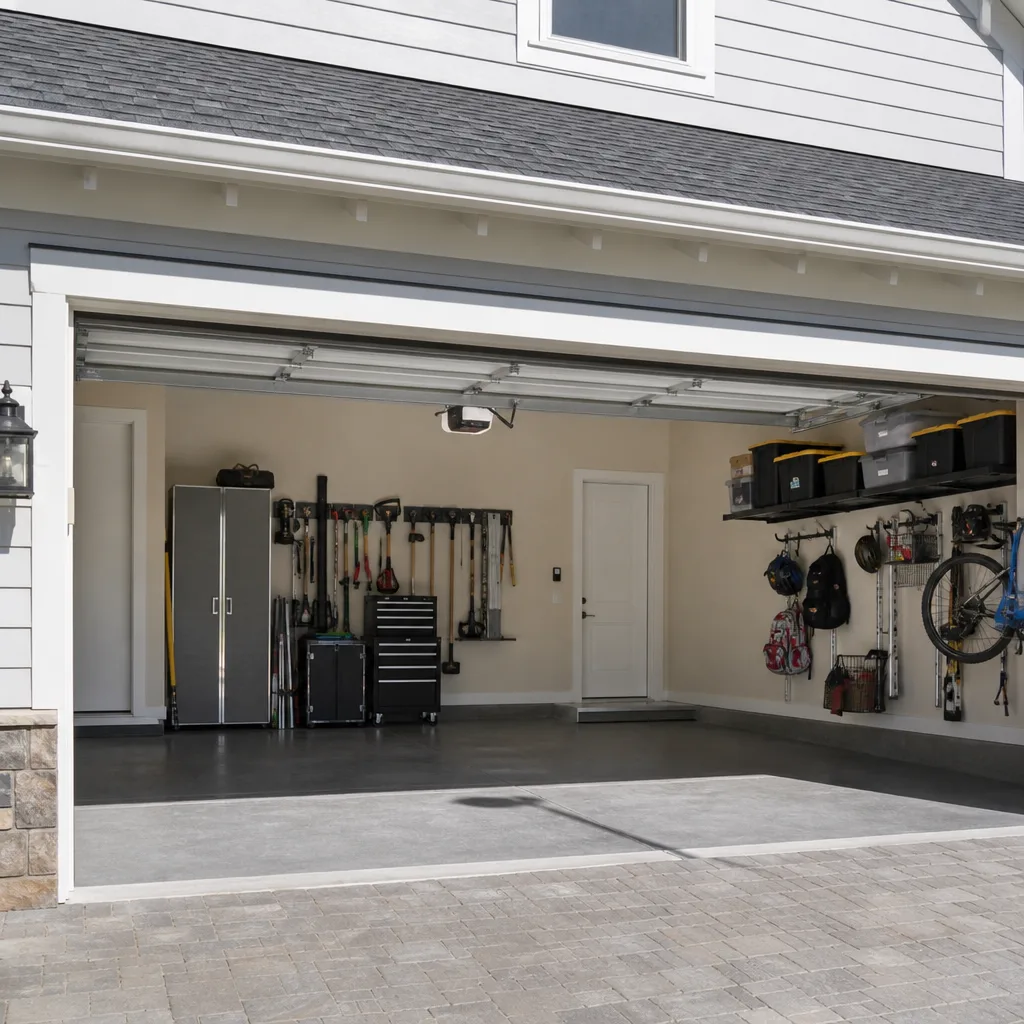 Chamberlain openers
Full 25-point door and opener safety check with every visit - springs, cables, rollers, tracks, and your LiftMaster or Chamberlain opener included
You get a price before we start. It does not change when the truck arrives.
Get your free estimateStyles & brands we work with
See the difference
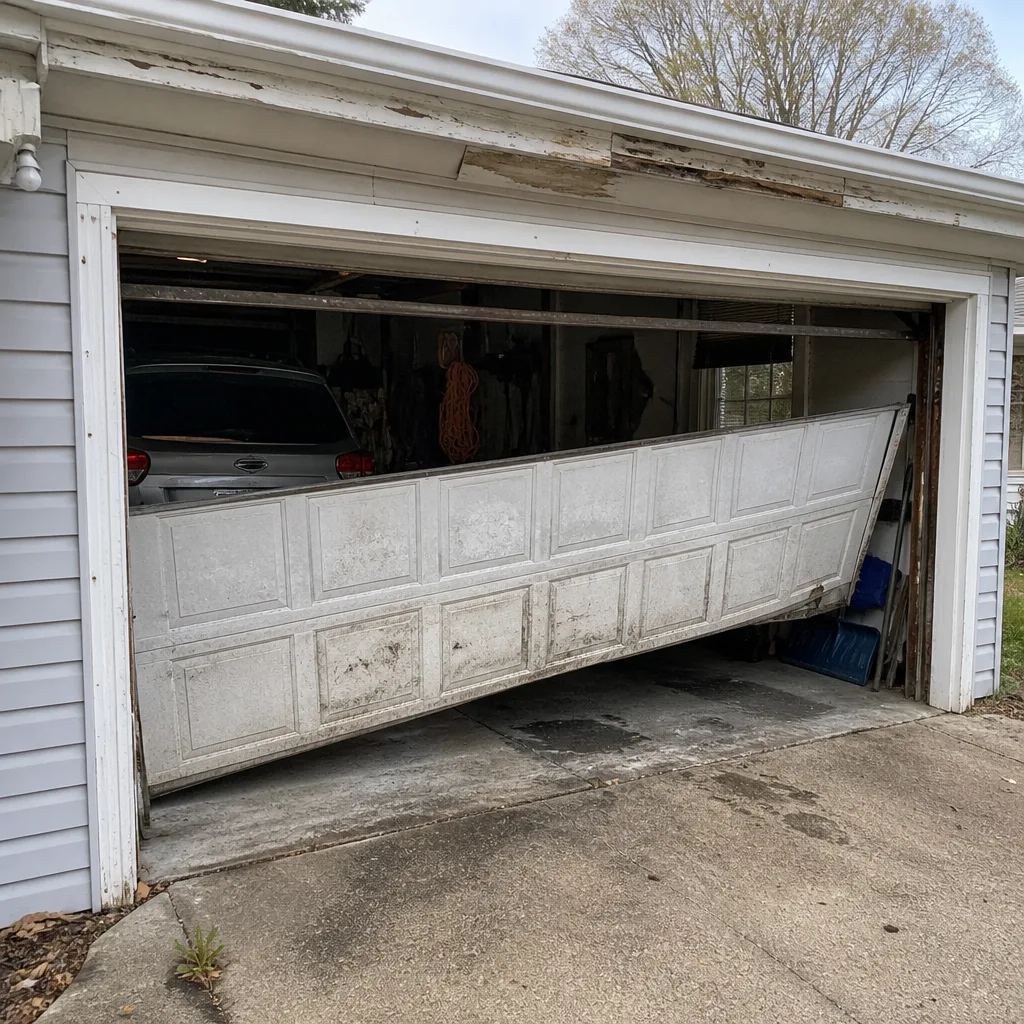 Before
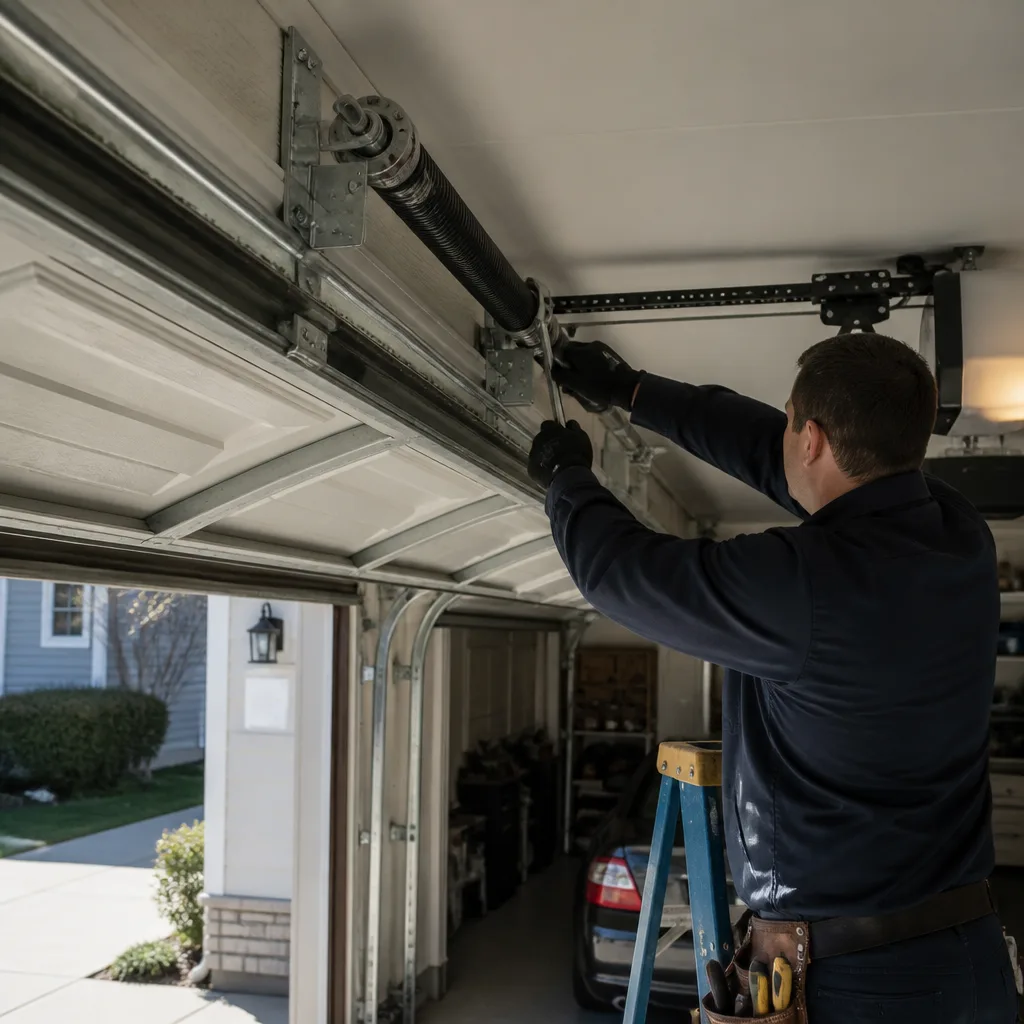 After
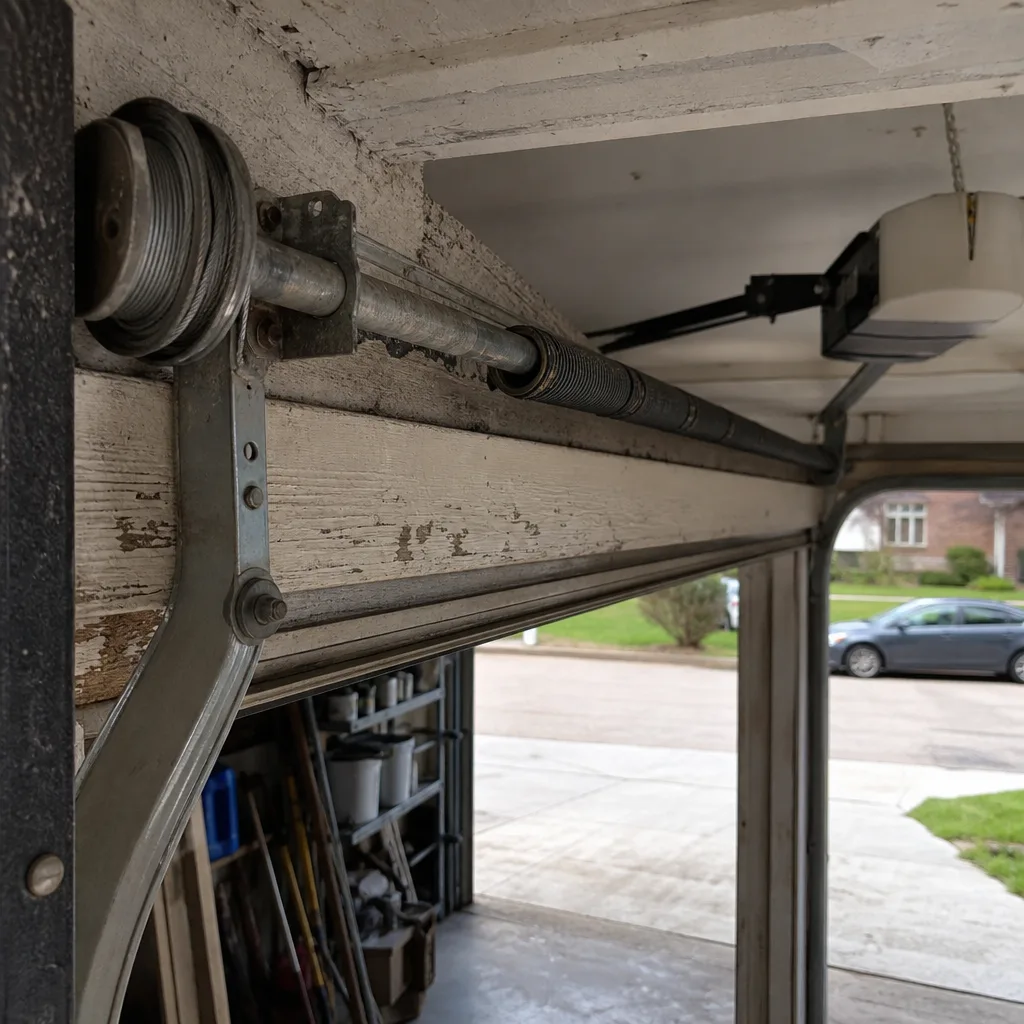 Before
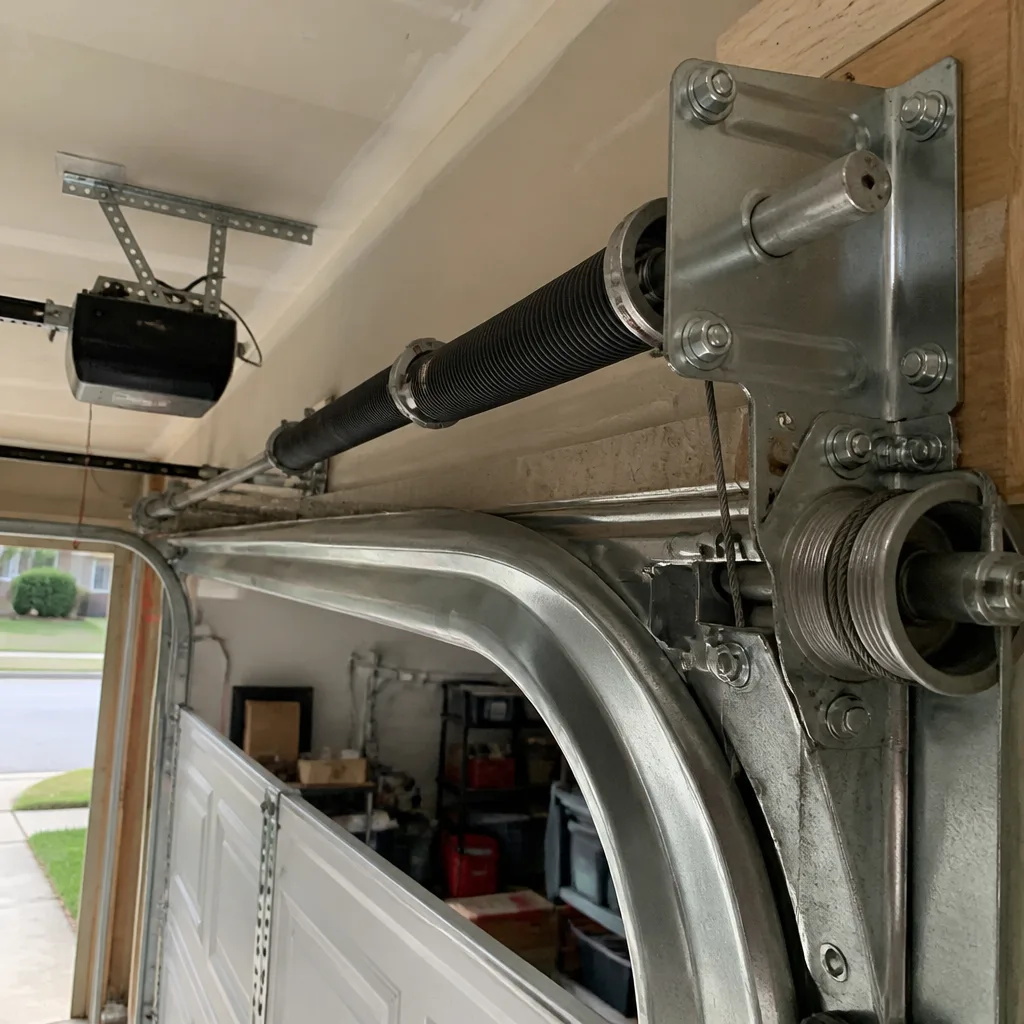 After
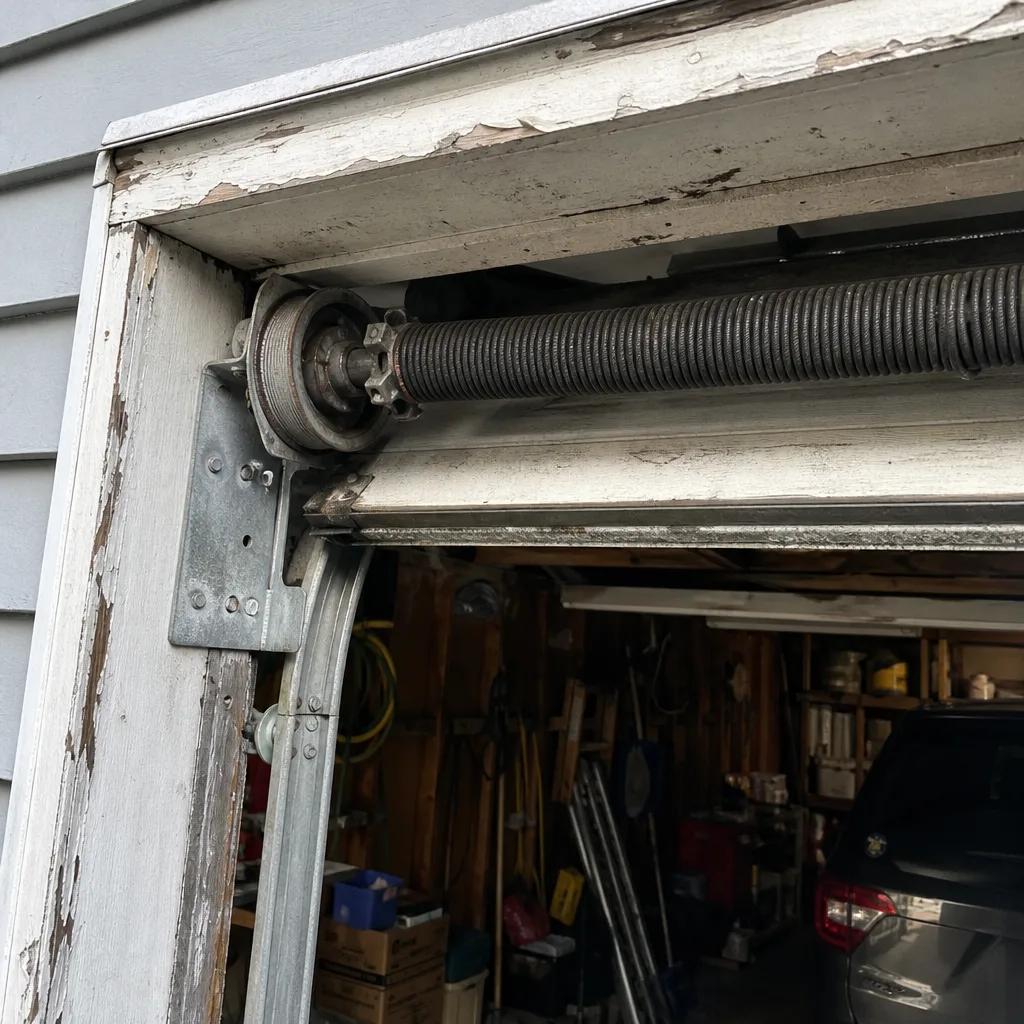 Before
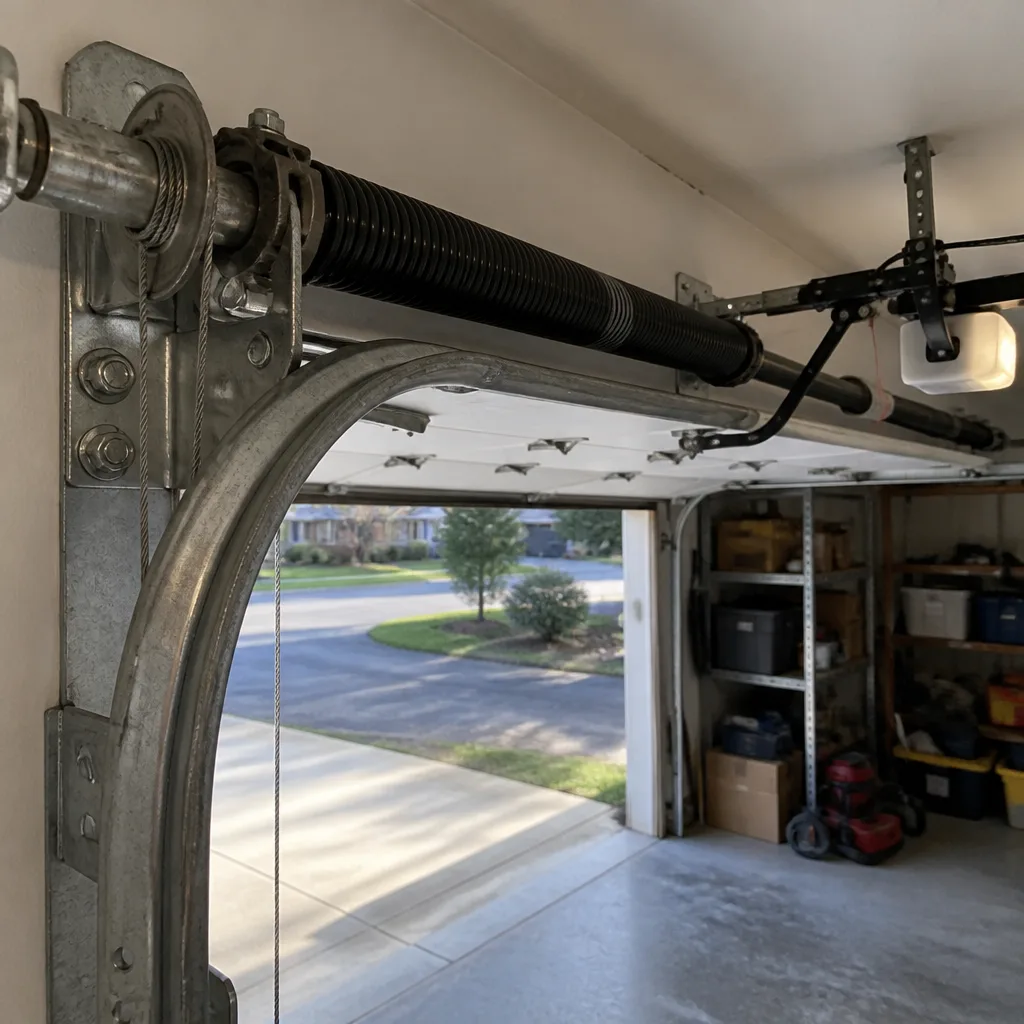 After
Sensor Calibration in New York, NY
Sensor calibration on a garage door means resetting and fine-tuning the photo-eye sensors mounted about six inches off the floor on either side of the door opening. When these sensors drift out of alignment, get nudged by a broom or a car bumper, or pick up grime from a New York winter’s worth of road salt, the door reverses mid-close or refuses to shut at all. At Bramwell Garage Doors New York, we calibrate and realign these sensors on every single service call, and it’s one of the most common fixes we handle for homeowners across the five boroughs and nearby Westchester County. Call us at (585) 669-6563 and we’ll send a background-checked technician with a written price before any work starts.
This page covers what sensor calibration actually involves, what it costs in the New York market, and how long it takes. If you’re also dealing with broken springs or an opener that won’t respond, see our full Garage Door Repair page for a broader look at what we fix. For a complete overview of our New York service area, start at our home page or the Garage Door Repair in New York hub.
When You Need Sensor Calibration
In our experience, most New York homeowners don’t know they need sensor calibration until the door starts misbehaving. Here are the symptoms we hear about most often on the phone, and what they usually mean:
- The door reverses immediately after touching the floor. This is the classic sign that one or both photo-eyes have drifted out of alignment. The sensors send the beam across the opening, and if that beam never connects, the opener assumes something is in the way. In tight New York garages, this happens constantly because people squeeze past the door while it’s closing and bump the sensor bracket.
- The door won’t close at all, but the opener hums. When the sensors are fully out of alignment or blocked, the opener refuses to close the door for safety reasons. Homeowners in Brooklyn and Queens with narrow driveways see this often, because a car parked at an angle can kick the sensor bracket without anyone noticing.
- The door closes normally in the morning but not at night. Sensor lenses get coated with dust, salt spray, or condensation. In winter, the temperature swing between a heated garage and the cold air outside creates fog on the lens. A simple cleaning plus recalibration fixes this in about fifteen minutes.
- The opener lights blink, but nothing happens. On LiftMaster and Chamberlain units, a blinking light is the opener’s way of saying the sensor circuit is open. It’s not a broken opener. It’s almost always an alignment or wiring issue at the sensor itself.
- The door reverses halfway up or halfway down. Sensors can fail intermittently. A wire that’s been chewed by rodents, a lens that’s cracked, or a bracket that’s loose can cause the beam to cut out mid-cycle. We see this fairly often in older New York homes where the original wiring from the 1990s is still in place.
- You recently did work near the garage floor. Parked a new car, installed shelving, had a delivery dropped off. Anything that shifts the sensor housing by even a quarter inch can break the beam. If the door worked fine last week and doesn’t today, calibration is almost always the culprit.
None of these symptoms mean you need a new opener. Most sensor issues are fixed with realignment, cleaning, or a replacement sensor wire, and the parts are inexpensive. The skill is in knowing how to position the sensors correctly the first time so they stay put. That’s where experience matters, and why we don’t just eyeball it and leave.
Our Sensor Calibration Process
Every Bramwell Garage Doors New York technician follows the same five-step process for sensor work. It’s part of the Kingswell standard we’ve used since 2001, and it runs the same way whether you’re in Manhattan or Yonkers.
- We verify the symptom before touching anything. The technician tests the door under normal operation and confirms whether the fault is at the sensors, the wall button, the opener logic board, or the safety reverse mechanism. No parts get replaced until we know exactly what’s failing.
- We clean the photo-eye lenses and inspect the brackets. Grime, salt film, and spider webs get removed with a dry cloth. If a bracket is bent or a housing is cracked, we flag it and show you before we do anything else.
- We check the beam path and realign both sensors. The sensors must sit at equal heights, facing each other directly, with no obstructions in the six-inch band above the floor. We use a level and the sensor’s own indicator lights to verify the beam is locked. Then we tighten the brackets so they don’t drift the next time a car tire grazes them.
- We test the safety reverse under load. We place a two-by-four or similar object in the door’s path and close the door. The door must reverse within two seconds of contact. We also test the beam interruption: wave a hand through the beam while the door closes and make sure it reverses immediately. Both tests get run, not just one.
- We leave you with a written summary and our guarantee. You get the price we quoted before work started, a line-item breakdown of what we did, and the 365-Day Done Right Promise in writing. If the sensor fault comes back inside a year, we return and correct it at no charge.
Sensor Calibration Pricing in New York
Here’s what you can expect to pay for sensor calibration in the New York metro area. These are real ranges from our service invoices, not national averages padded for the search engines:
- Basic realignment and cleaning: $85 – $120. This covers both sensors when the brackets are intact, the wiring is sound, and the only issue is alignment or dirty lenses. Most callers with a suddenly misbehaving door fall into this bucket.
- Replacement of one photo-eye sensor: $95 – $150, parts and labor included. This includes the new sensor, mounting, wiring check, and full recalibration. Sensor models vary by brand: Chamberlain and LiftMaster use different housings than Genie, and the part price reflects that.
- Replacement of both sensors with new wiring: $180 – $260. We recommend this when the sensors are original from an older Genie or Chamberlain opener and the wire insulation is brittle. Running new low-voltage wire along the track is routine work, but it adds about thirty minutes and the cost of the wire.
- Sensor work combined with a service call: $85 – $120, same as the base calibration. If we’re already on site for a spring or opener repair, sensor alignment is folded into the service call. We never charge a second trip fee for something we can fix in ten minutes while the truck is in your driveway.
What changes the price? The age of the opener matters more than anything. Sensors for a Chamberlain opener from 2005 are easy to source. Sensors for a discontinued Genie model from the early 1990s might require an adapter or a full retrofit, which pushes the total higher. Building type also matters: in a detached single-car garage in Staten Island, the wiring run is short and simple. In a high-rise parking level or a converted carriage house in Park Slope, the longer wire run or conduit work adds labor. Before we send a technician, we ask a few questions on the phone and give you a firm quote range. The exact number is written down before any tool comes out of the truck.
Every sensor calibration includes the 365-Day Done Right Promise. If the sensor fault returns within a year, we come back and fix it at no charge. That promise is in writing, not just spoken at the door. It’s the same Kingswell Guarantee we’ve put on every job since 2001.
FAQs – Sensor Calibration
How much does sensor calibration cost in New York?
Basic sensor realignment and cleaning in New York runs $85 – $120, while replacing one sensor typically costs $95 – $150 parts and labor included. If both sensors and the wiring need replacement, expect $180 – $260. We give you a written price before any work starts, so the number you hear on the phone is the number on the invoice. Call (585) 669-6563 for an exact quote. Estimates are free, and a live person answers the phone.
Can you calibrate my garage door sensors the same day I call?
Yes. Most sensor calibration calls in New York are completed the same day, and we schedule around a real arrival window, not a vague “sometime between 8 and 6.” A live person answers our phones 24/7, including nights and weekends, so you can book a technician even if the door refused to close at 10 p.m. and you can’t leave your car exposed overnight.
Is it cheaper to calibrate the sensors myself?
It costs nothing to try, but be warned: the sensors on a garage door are tied to the opener’s safety reverse system, which exists to prevent the door from crushing a child or pet. A misaligned sensor that you “fix” by bypassing or taping over can disable that protection entirely. We don’t recommend that. The tools and time required for a proper alignment are minimal, and the cost of getting it wrong is a garage door that will not close on a night when the temperature in Queens drops into the teens. Related issues like Track Realignment can cause similar closing problems, so accurate diagnosis matters. Call a professional.
Why do my garage door sensors keep going out of alignment?
In New York, the most common causes are loose brackets, salt and grime on the lenses, and vehicles or objects bumping the sensor housings in tight garages. Older Genie and Chamberlain sensors from the 1990s and early 2000s often have plastic brackets that crack over time, which means the sensor won’t hold its position no matter how carefully you align it. If we see that, we recommend replacing the bracket or the sensor outright rather than selling you a realignment that will fail again in a month. We also check whether Cable Repair might be needed, since worn cables can stress the whole system. That’s the difference between a patch and a repair.
Call Bramwell Garage Doors New York for Sensor Calibration
If your garage door won’t close, reverses on the way down, or blinks at you when you press the wall button, it’s probably a sensor issue. We fix it for a written price that doesn’t change at the door. We show up in the window we promised. We leave your garage floor cleaner than we found it. And if the calibration fails inside a year, we come back free. That’s the Kingswell Way, and it’s been our standard since 2001.
Call (585) 669-6563 for a free estimate, or to get a technician scheduled today. A live person answers the phone, 24 hours a day, 7 days a week. We service all major brands, including Chamberlain, Genie, Clopay, and Amarr.
Written by Marcus Ellery, Owner at Bramwell Garage Doors New York, serving New York.