
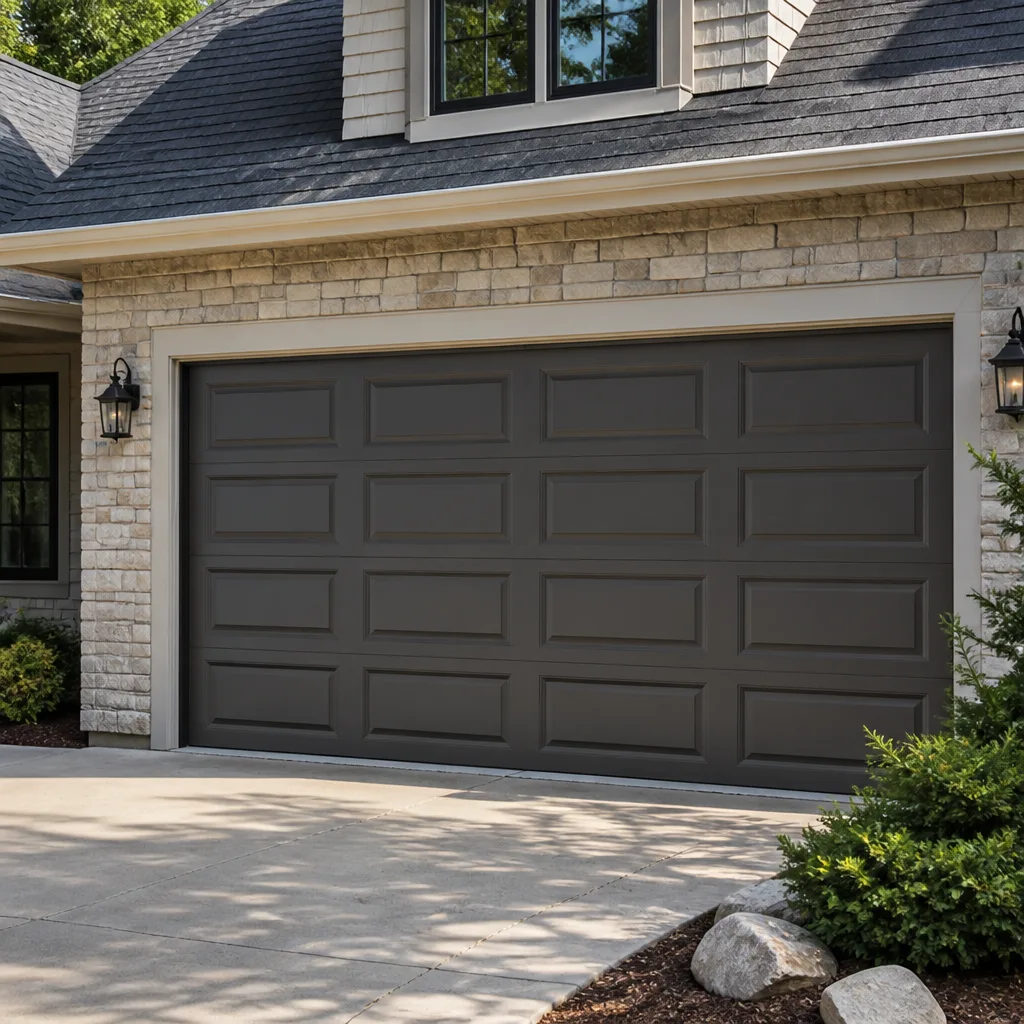
 Raised-panel steel
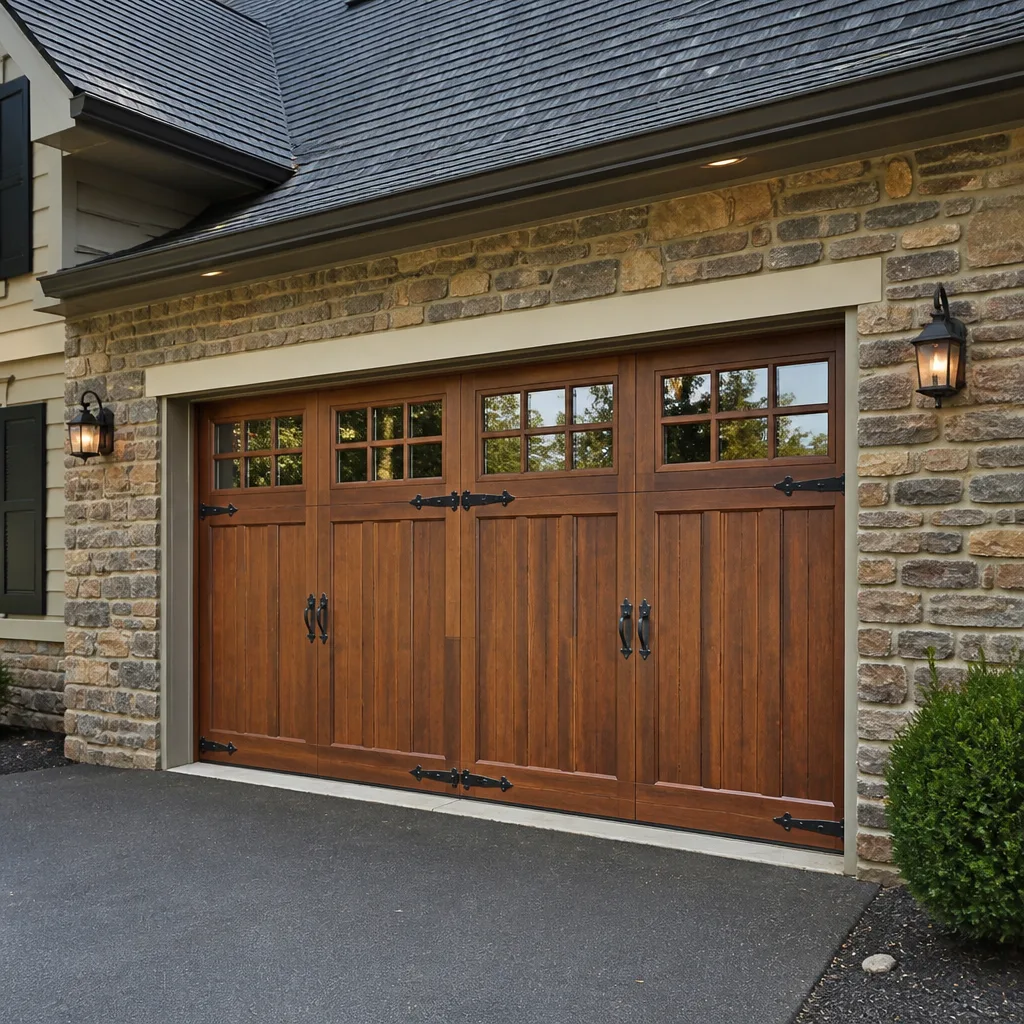 Carriage house
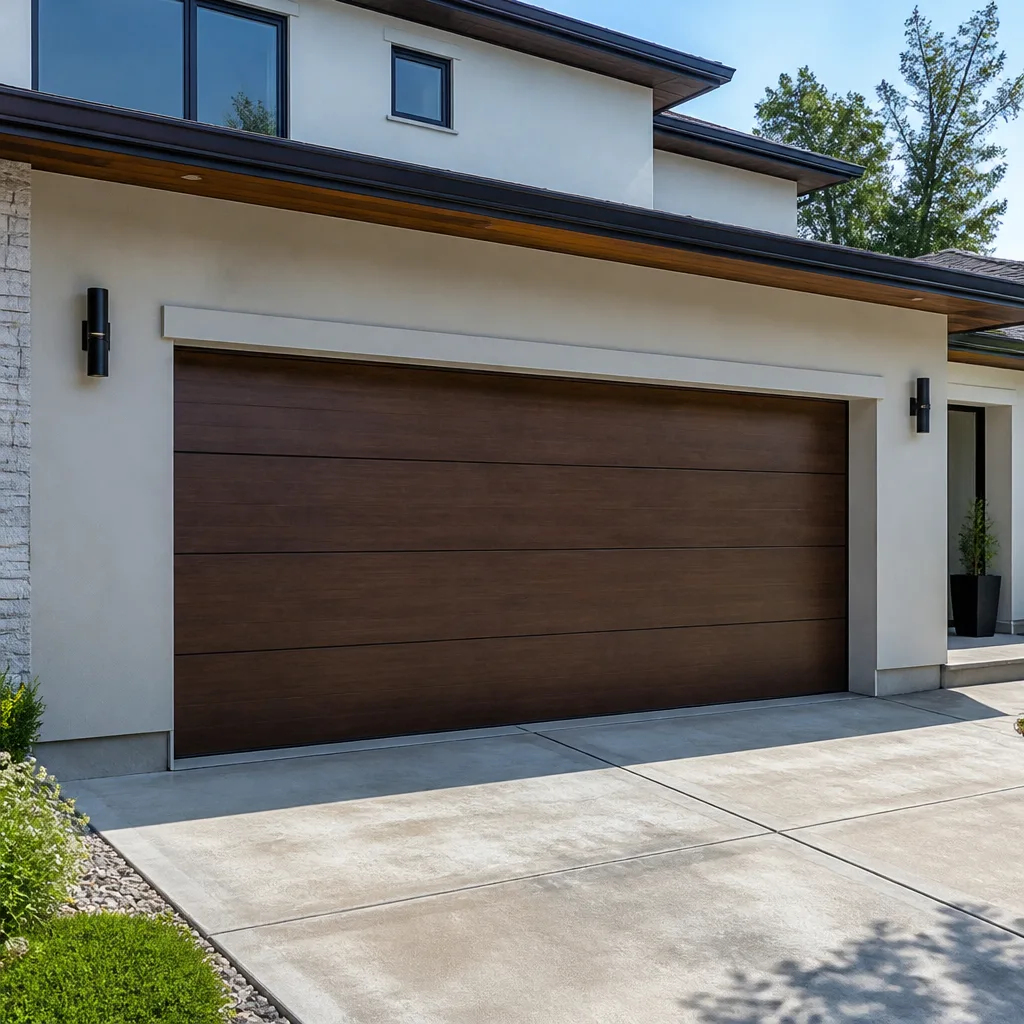 Modern flush
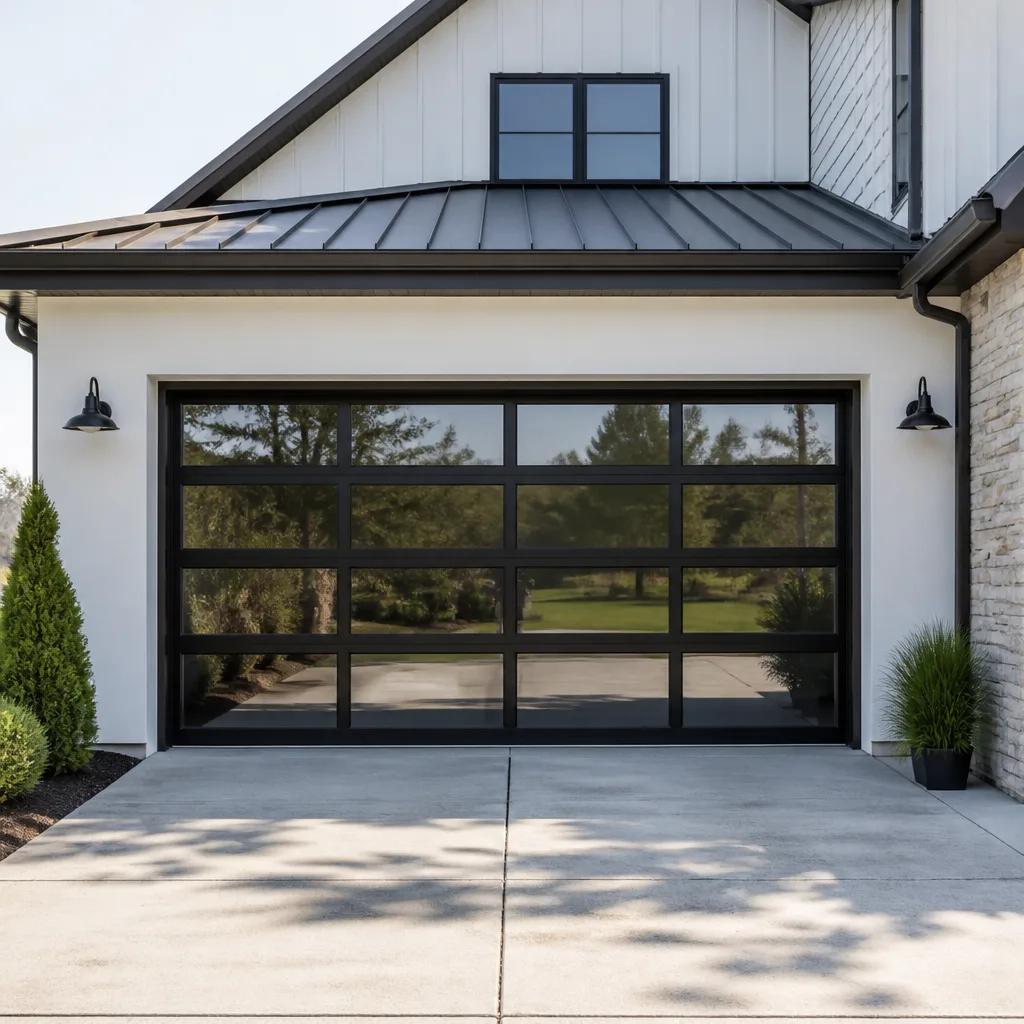 Full-view glass
 LiftMaster openers
 Chamberlain openers
Full 25-point door and opener safety check with every visit - springs, cables, rollers, tracks, and your LiftMaster or Chamberlain opener included
You get a price before we start. It does not change when the truck arrives.
Get your free estimateRaynor Weather Seal Replacement: The New York Owner’s Guide
Raynor weather seal replacement in New York typically runs $145 – $285 installed, depending on the length and profile your door needs. We stock the common Raynor T-style and bulb-style retainer seals on the truck, so most jobs are done in a single visit. If you’re seeing daylight at the bottom of the door, dragging rubber that’s torn or flattened, or water and leaves pushing in along the sill after a storm, the seal has failed and it’s time to swap it.
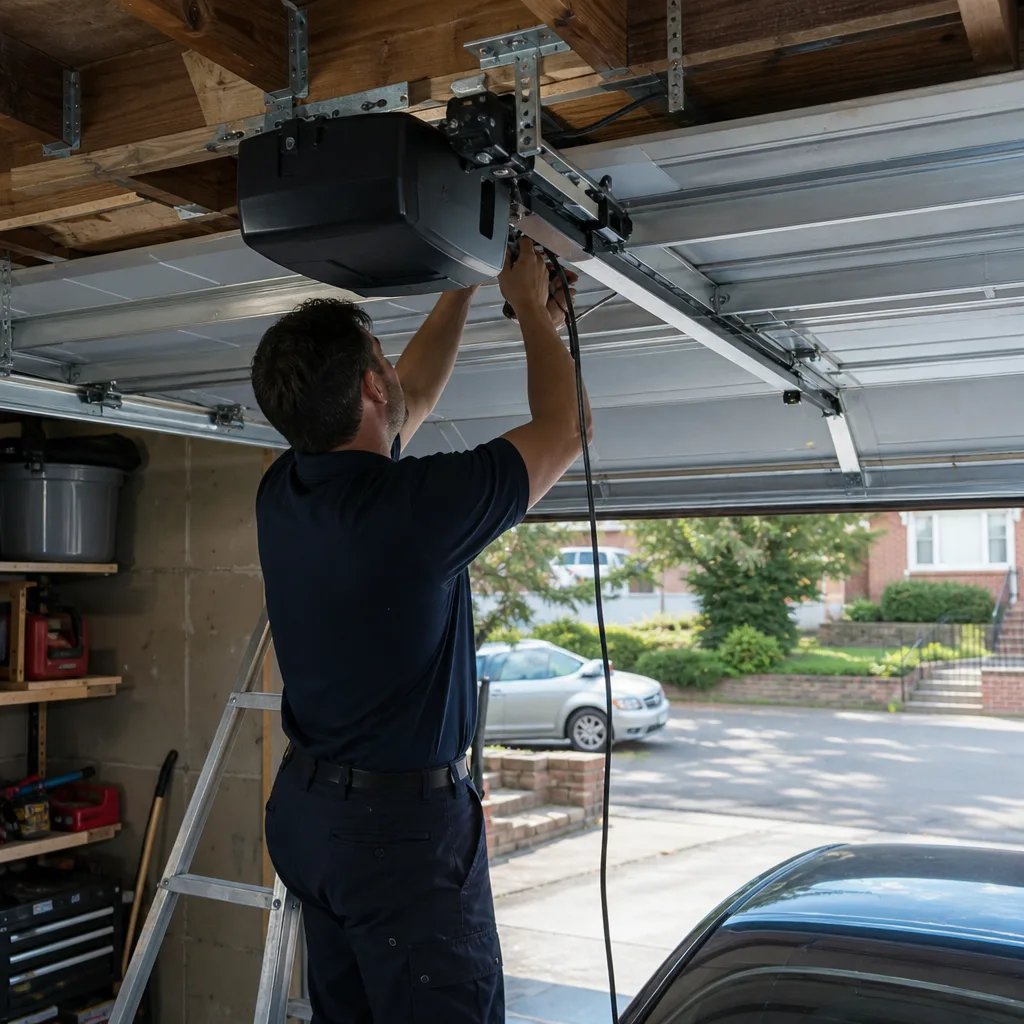
The weather seal is the long rubber strip that runs along the bottom of the door. It compresses against the concrete to keep water, snow, dirt, bugs, and the cold out. Raynor uses a few different profiles depending on the door line and vintage, and matching it correctly matters more than most people expect. Get the wrong profile and it either won’t stay seated in the retainer channel or it leaves a gap at the edges. That’s the whole reason a Raynor-specific page exists.
In New York, seals take a beating. The freeze-thaw cycle turns rain and snowmelt into ice that hardens and cracks older rubber. The scraper plate under the door drags across salt grit from the street, wearing the lip down over two or three winters. We see doors across the five boroughs and into Westchester and Long Island where the original seal from the factory is still limping along at year eight or nine, but it hasn’t actually sealed anything properly since year five.
Before you call anyone, run your hand along the bottom of the door at the floor. If the rubber is rock hard, split at the fold, or compressed flat where it meets the concrete, the seal is done. That’s a cheap fix compared to what the moisture and cold do to a garage over time.
Which Raynor Models This Applies To
Raynor builds their residential doors across several lines, and the bottom seal varies by the retainer style more than the model name. The three you’ll run into most often are the T-style seal that slides into a round-bottom retainer channel, the bulb-style seal that locks onto a rolled lip retainer, and the older flat lip seal on doors from the 1990s and early 2000s. The retainer is the aluminum or steel track riveted to the bottom panel. That’s what determines which seal profile fits, not the Raynor model number stamped on the hinge plate.
If you want to identify what you have before calling, grab the measurement of the channel opening. A T-style retainer has a slot width close to 1/4 inch, and the seal’s top stem slides into it. The bulb-style retainer wraps around a wider lip, typically 3/8 inch, and the seal snaps over the top. If you have a Raynor door from the Aspen, AP series, or Designer lines, you’re usually looking at the T-style. The older Estate and Century doors from before the mid-2000s often use the bulb or the flat lip. But the honest truth is that within the same model line, Raynor has changed retainers over the years, so a door from 2010 and one from 2018 with the same brochure name might take different seals. The retainer measurement is what settles it, not the model name alone.
OEM Raynor weather seal is fine rubber. It’s the same profile the factory shipped. The aftermarket options we carry, from manufacturers like Action Industries, match or exceed the OEM compound in most cases, and they typically cost less. For a T-style seal, we generally recommend a high-quality aftermarket EPDM rubber over the OEM vinyl. EPDM holds its flexibility down to about -60 degrees Fahrenheit, which matters more in New York than it does in Phoenix. The vinyl compound Raynor uses is fine, but it hardens faster in cold weather and the flap starts to curl after a couple of hard winters.
One compatibility gotcha worth knowing: some Raynor retainers have end caps riveted on, and the seal can’t be slid out without drilling the rivets or bending the channel. If the retainer itself is crushed, rusted, or missing, we replace the retainer and seal as a set. That runs a bit more and changes the part we bring. If your retainer is damaged, tell the technician over the phone before they head out, because that changes the truck stock and the install time.
We’re an independent service provider, not affiliated with Raynor. But we’re authorized to service Raynor doors, and we keep their most common seal profiles and retainers on hand along with matching stock for LiftMaster, Chamberlain, and Genie openers that tend to be paired with those doors.
Styles & brands we work with
Signs Your Raynor Weather Seal Replacement Is Failing
Most people don’t notice the seal is gone until the garage starts acting differently. Here are the five signs we hear about most often, and what’s actually going on with each one:
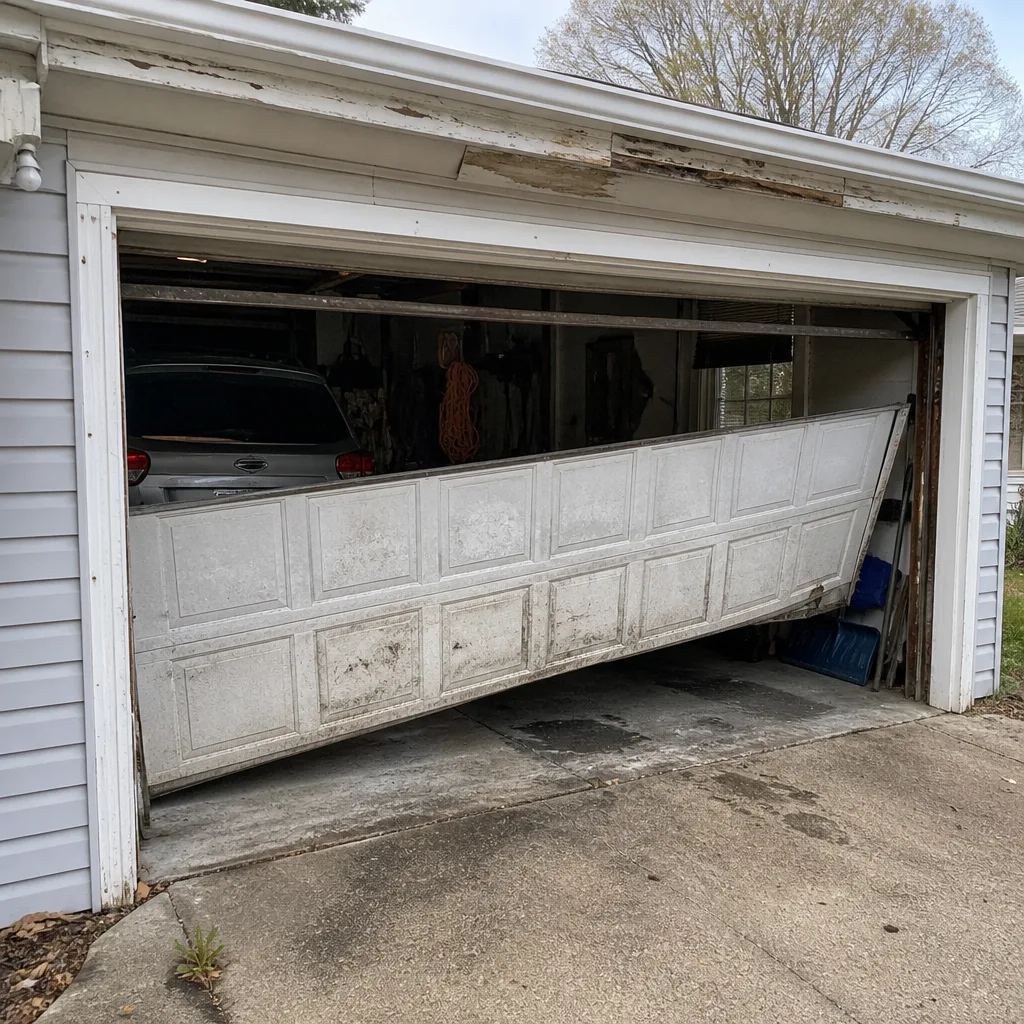
- Daylight under the door when it’s closed. The seal no longer compresses enough to fill the gap between the panel and the concrete. The rubber has set in the compressed position, which is permanent. Even if you shim the door lower, the gap just moves to the middle of the run.
- Water pooling on the floor after rain or snowmelt. The shape of the seal lip has worn down, especially on the corners. Water runs off the face of the door and slides right underneath. You’ll see the puddle form near the front of the stall, not against the back wall.
- Leaves, dirt, and gravel end up inside the garage. Wind pushes debris under the door because the seal no longer reaches the floor in the valleys. Concrete pads in New York garages are rarely dead flat, and a stiff old seal won’t follow the dips.
- Cold air rolling along the garage floor in winter. The temperature difference is the giveaway. If your garage faces north or catches wind off the water, it’ll feel like the door is open at floor level even when it’s shut. A failed seal is why.
- The rubber along the door bottom is cracked, flattened, or dragging. You don’t need a flashlight to confirm this one. Run your hand along the inside of the door at the floor. If it’s hard, split, or eating itself on the retainer, it’s finished.
None of these are subtle. Once the seal is gone, the garage becomes a sieve for whatever the weather throws at it. The fix is straightforward, but it only stays fixed if the right profile goes in.
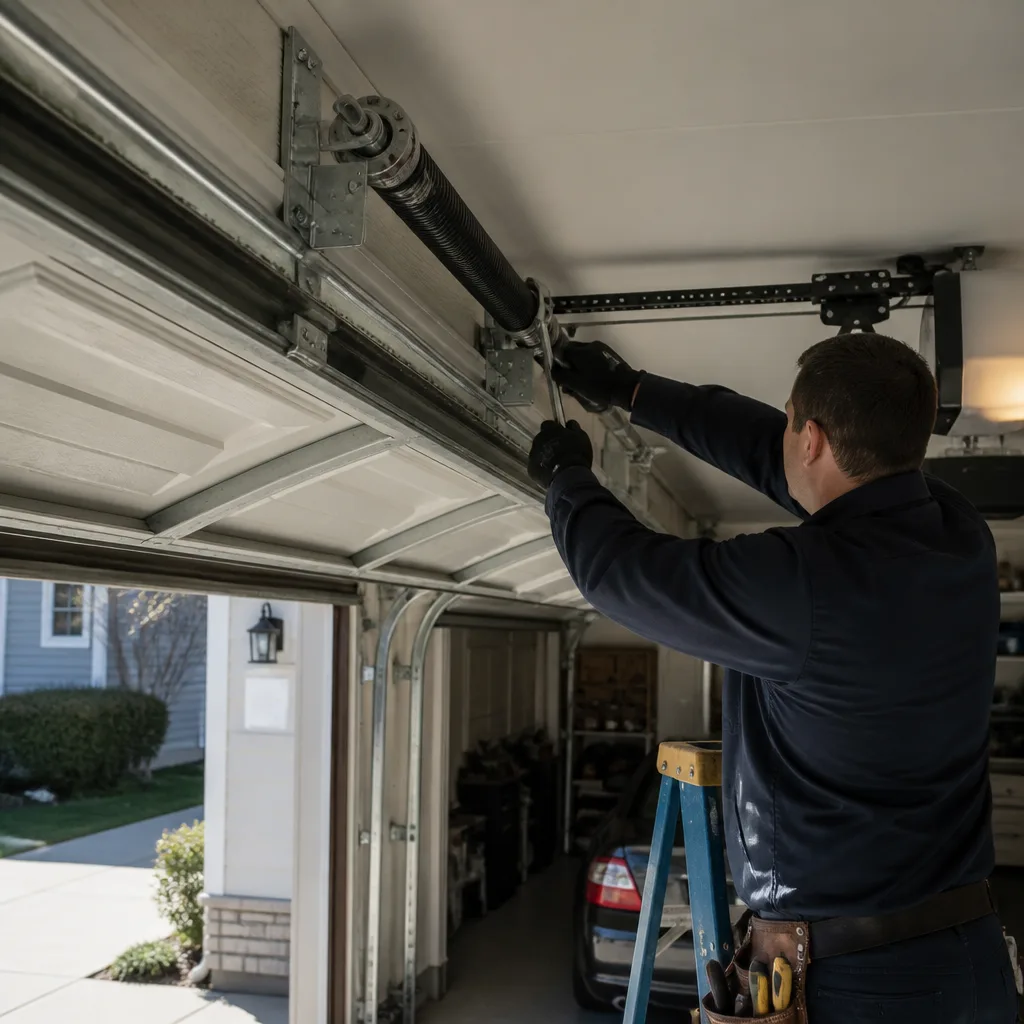
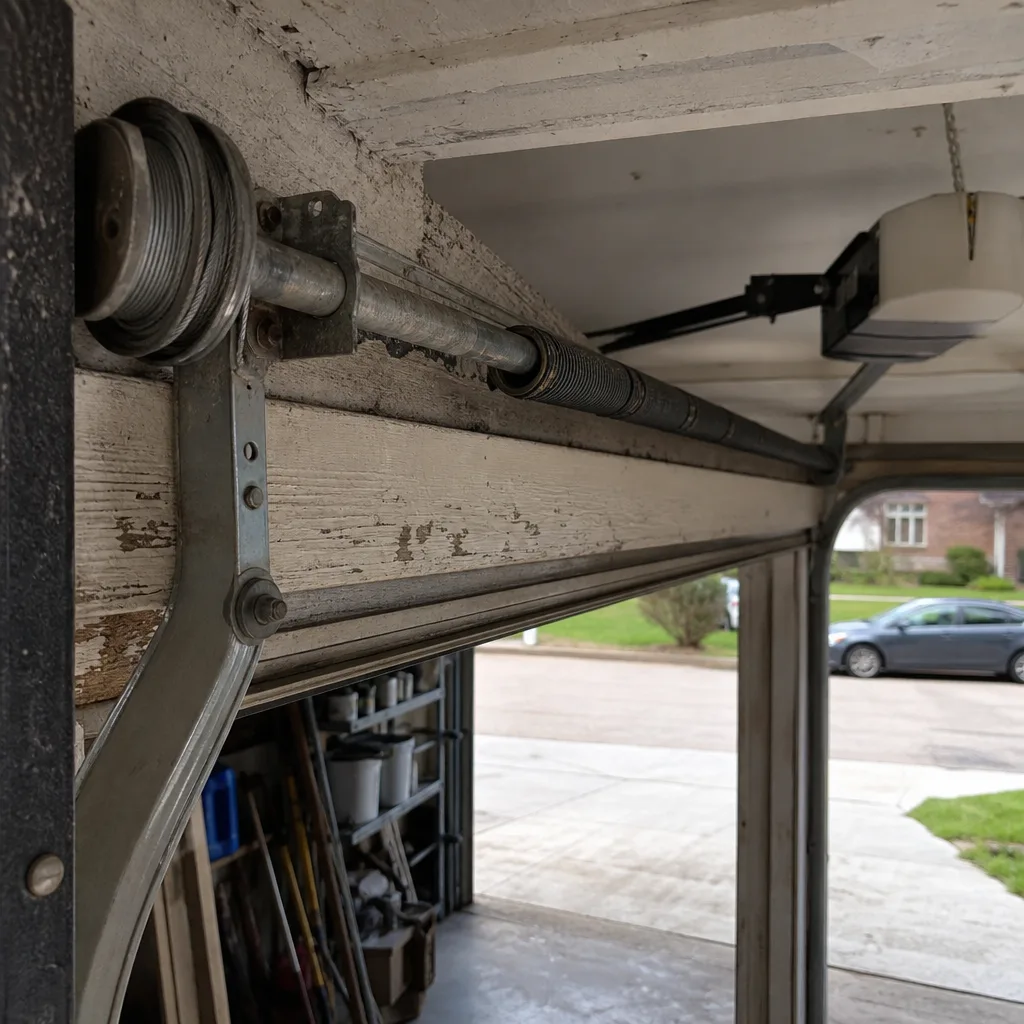
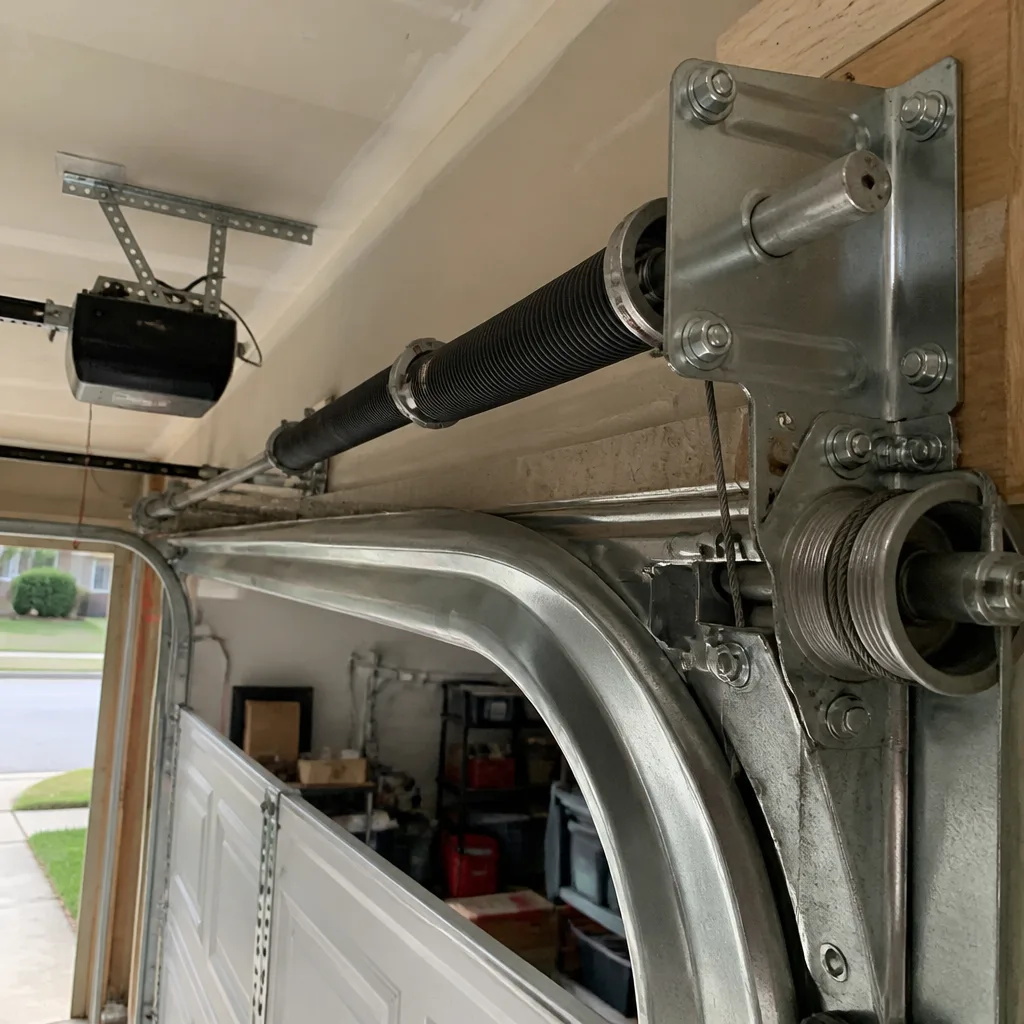
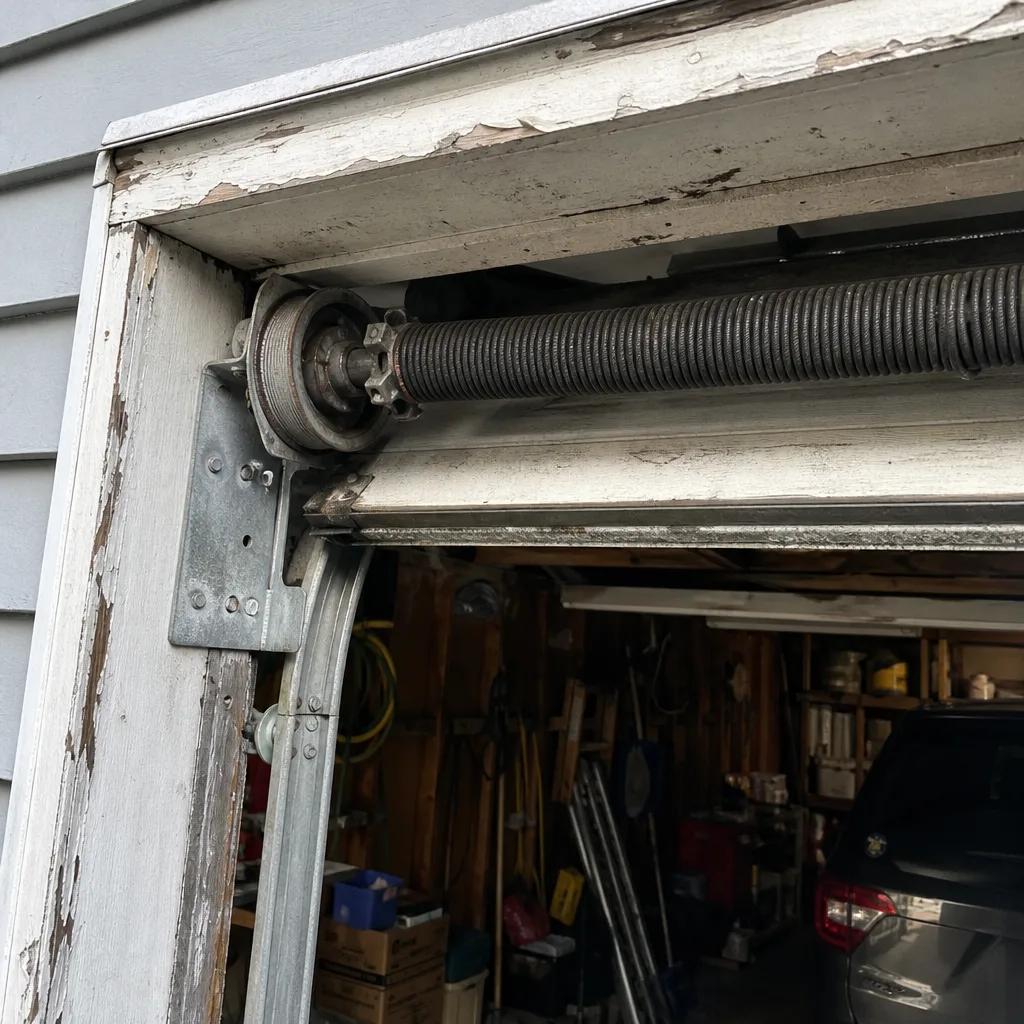
See the difference
 Before
 After
 Before
 After
 Before
 After
Replacement Cost & What’s Included
For a Raynor weather seal replacement in New York, expect to pay $145 – $285 installed for a standard single or double door with the retainer in good shape. The seal itself is the cheaper part of the job, usually in the $40 – $90 range depending on the profile and whether we’re using OEM or a high-quality aftermarket EPDM. Labor is typically an hour or less, so the rest of the cost is the service call and installation time. If the retainer is damaged and needs replacing along with the seal, you’re looking at the higher end of that range or slightly above, since we’re removing the old channel, riveting in a new one, and setting the seal in place.
What’s included: the replacement seal matched to your retainer, removal of the old material, cleaning of the retainer channel, installation, and a quick check that the seal makes even contact across the floor. If the door is slightly out of level and a small adjustment to the track or door balance would give the new seal a better seat, we’ll tell you before any of that is done and quote it separately. The price you get before the work starts is the price on the invoice. That’s the Kingswell Way: say the price before the work, show up in the window, leave the job site clean, put the guarantee in writing, and come back if it fails.
The replacement is covered by our 365-Day Done Right Promise. If the seal installation fails within a year, we come back and make it right at no charge. That’s not a spoken assurance; it’s in writing on every job.
DIY or Call Us?
Weather seal replacement isn’t a dangerous DIY job the way a torsion spring is. Nobody’s going to get hurt sliding a rubber strip into a channel. If you have the T-style retainer with no end caps, you can often pull the old seal out and slide a new length in with a pair of pliers and a bit of soapy water. It’s a 20-minute job if everything goes right.
Where DIY goes wrong for this part in New York: getting the profile wrong. Buy a seal online based on the Raynor model name, and there’s a good chance you’ll find it sliding back out of the channel on day one because the retainer wants a different profile. The second failure point is the end caps. Many Raynor retainers have riveted caps, and we’ve been to plenty of garages where someone drilled them out, got the seal in, and couldn’t get the cap back on cleanly. The seal then shifts with every door cycle and tears at the edges within months. If that’s your situation, call us. You’re not saving the cost of a service call once you factor in the wrong part and a second Saturday afternoon.
If you’re not sure which profile you have, call (585) 669-6563 and tell us what the bottom of the door looks like. We’ll ask for the channel measurement or a quick photo, and we’ll tell you what you’re dealing with. That call is free.
FAQs
A quality EPDM seal in the New York climate should last five to seven years before it starts losing flexibility and compressing permanently. OEM vinyl seals usually soften sooner, around three to five years, depending on how exposed the door is to full sun and how much salt and grit it drags across. A garage that faces south with no shade will age a seal faster than one tucked behind the house. If your seal is splitting at year four, it’s not a defect, it’s our winters and the sun doing exactly what they do. Call (585) 669-6563 and we’ll tell you over the phone whether it’s time. Estimates are free.
No, a torn or split seal can’t be repaired in any way that holds. The rubber is under compression and flexes every time the door moves, so patching a tear with adhesive or splicing in a new section fails within weeks. Once the material is split, the correct repair is a full replacement. It’s one of the least expensive repairs on the door, and doing it right the first time costs less than half a repair attempt followed by the replacement anyway.
Most weather seal replacements take about 30 to 45 minutes once our technician is at the door. If the retainer needs to be replaced or the end caps are riveted and have to be worked around, it can run an hour to an hour-and-a-half. From arrival to clean up, it’s a short visit. We’re done before the coffee goes cold. Call (585) 669-6563 and we’ll get you on the schedule.
Yes. We carry the common Raynor T-style and bulb-style seal profiles and matching retainers on our trucks, so most New York service calls are completed in one visit. We also stock the seal material for the other brands we service, including LiftMaster, Chamberlain, and Genie doors. If you’re not sure which seal profile your Raynor uses, tell us the channel measurement or send a photo when you call, and our technician will confirm the part before heading out. A live person answers the phone 24/7.
Written by Marcus Ellery, Owner & Lead Technician, Bramwell Garage Doors New York at Bramwell Garage Doors New York, serving New York and nearby areas.