
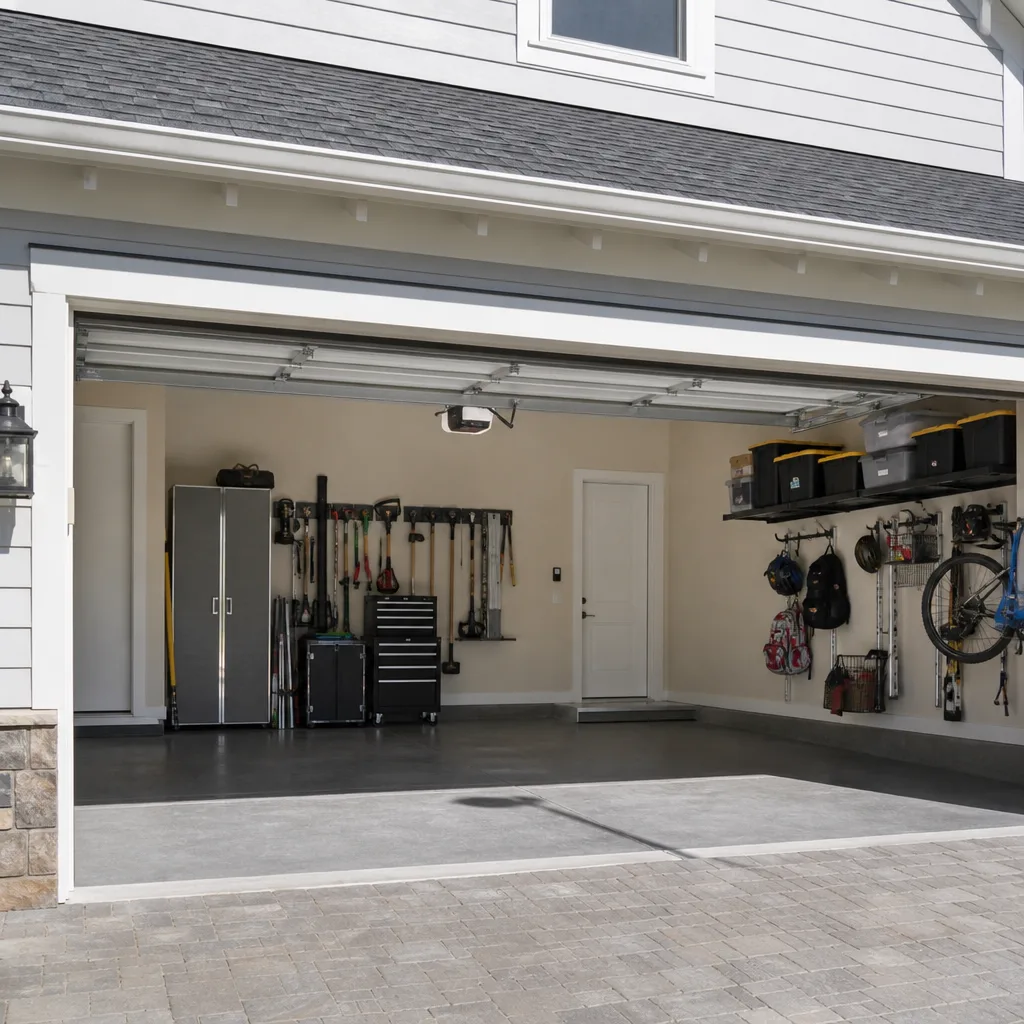
 Chamberlain openers
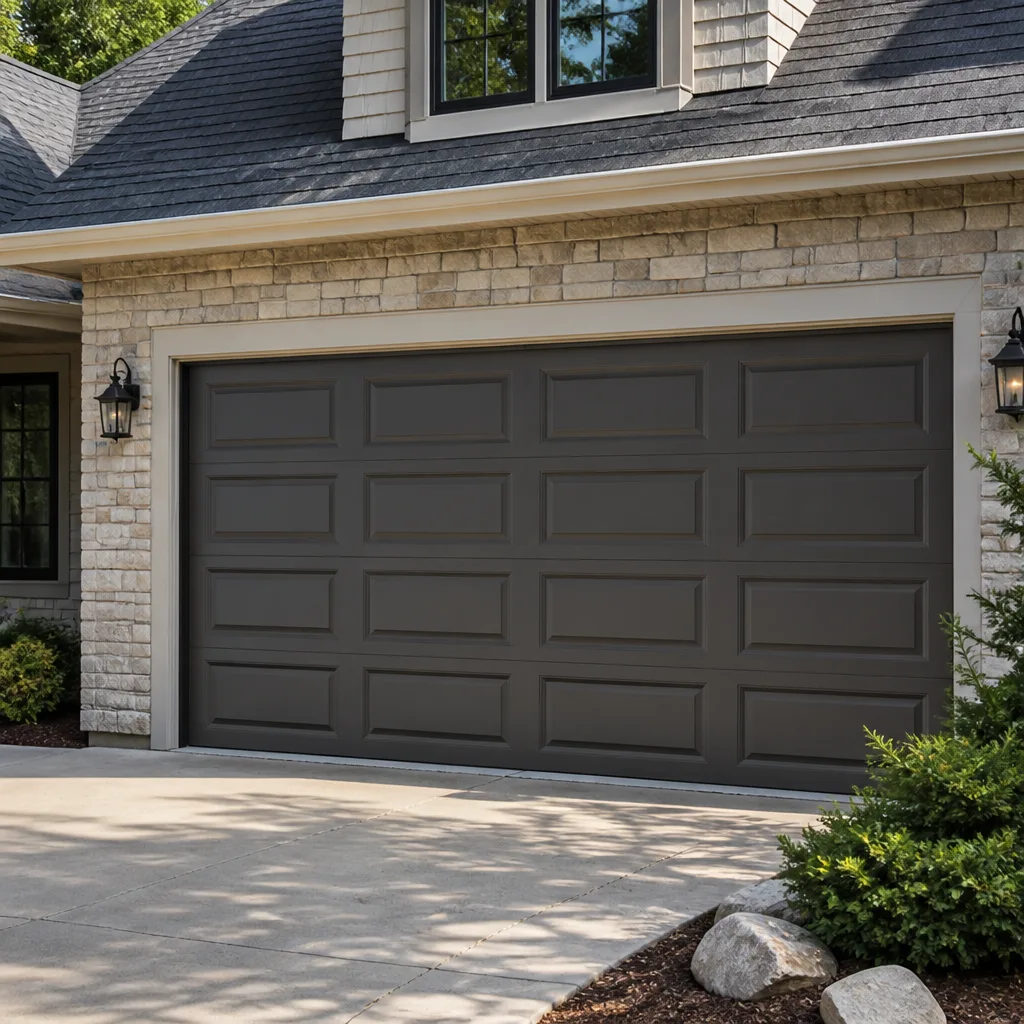 Raised-panel steel
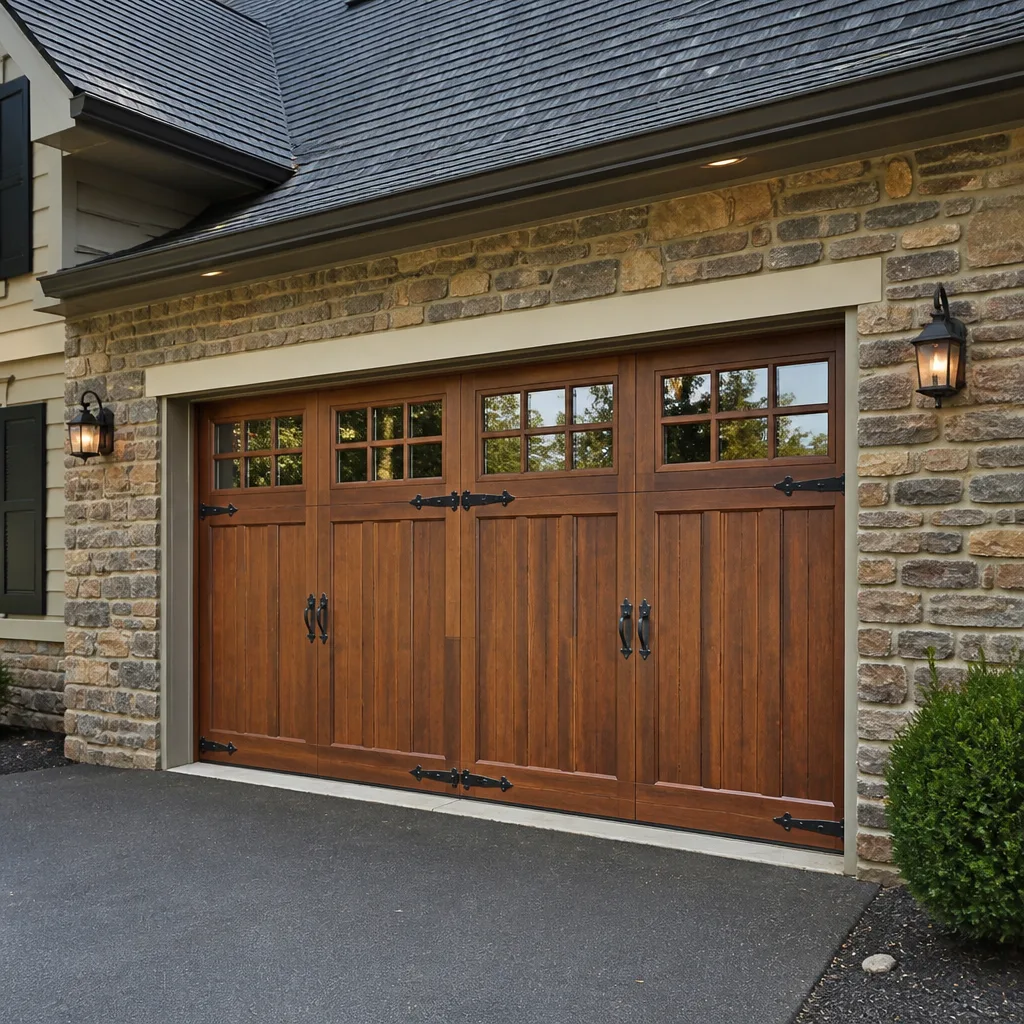 Carriage house
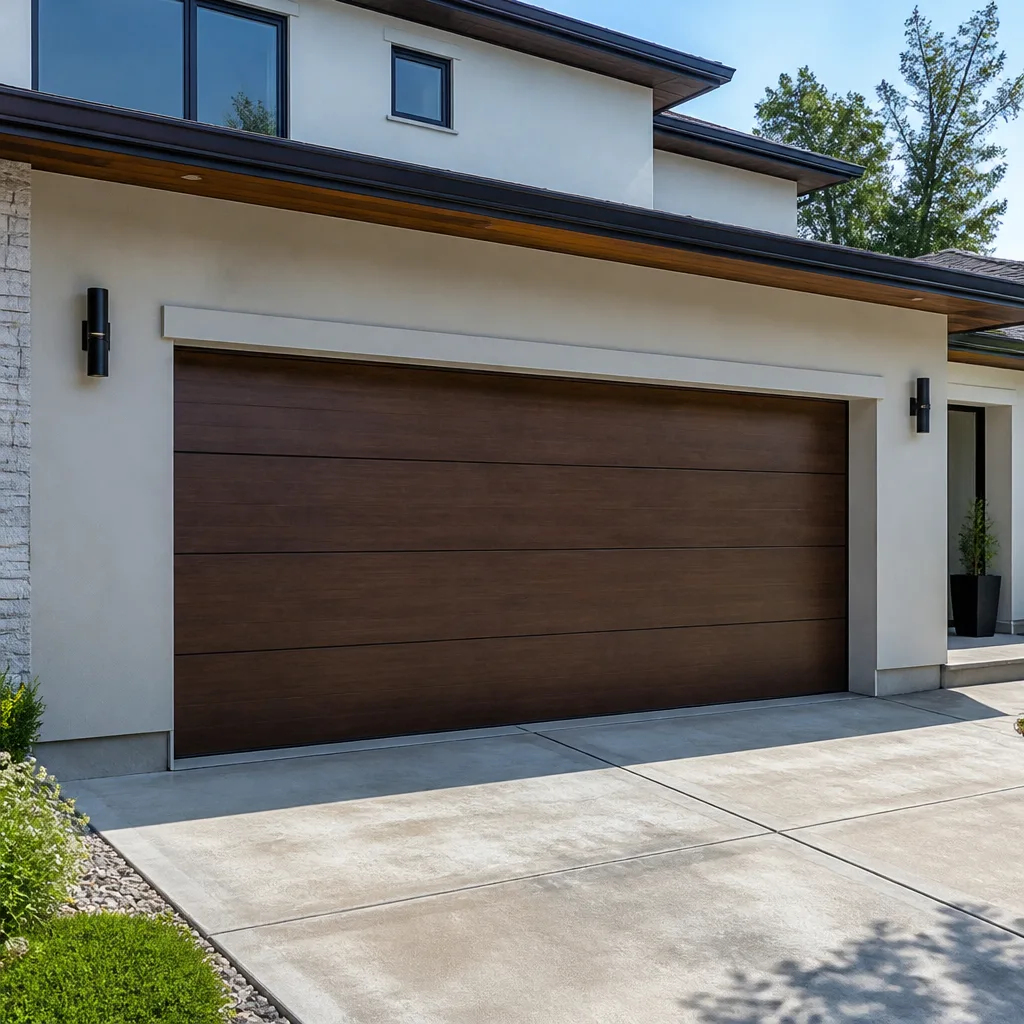 Modern flush
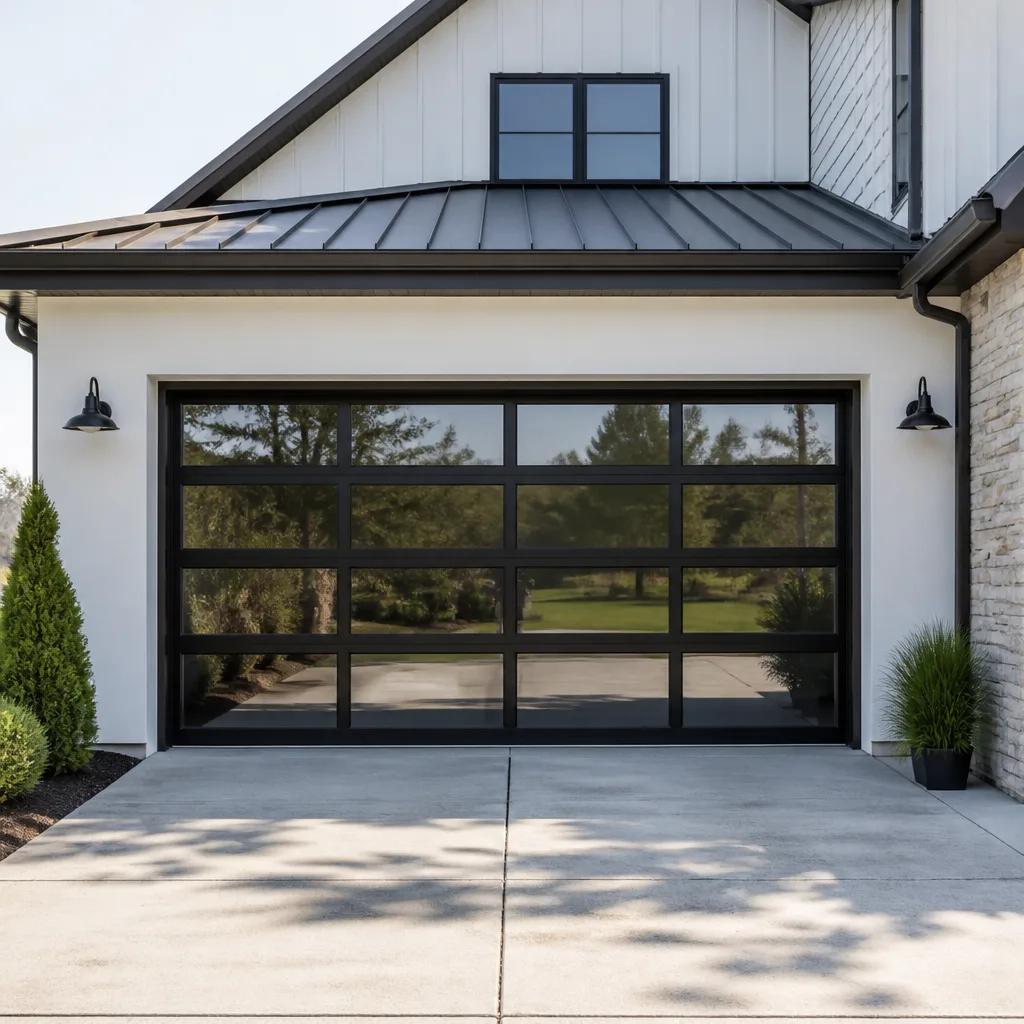 Full-view glass
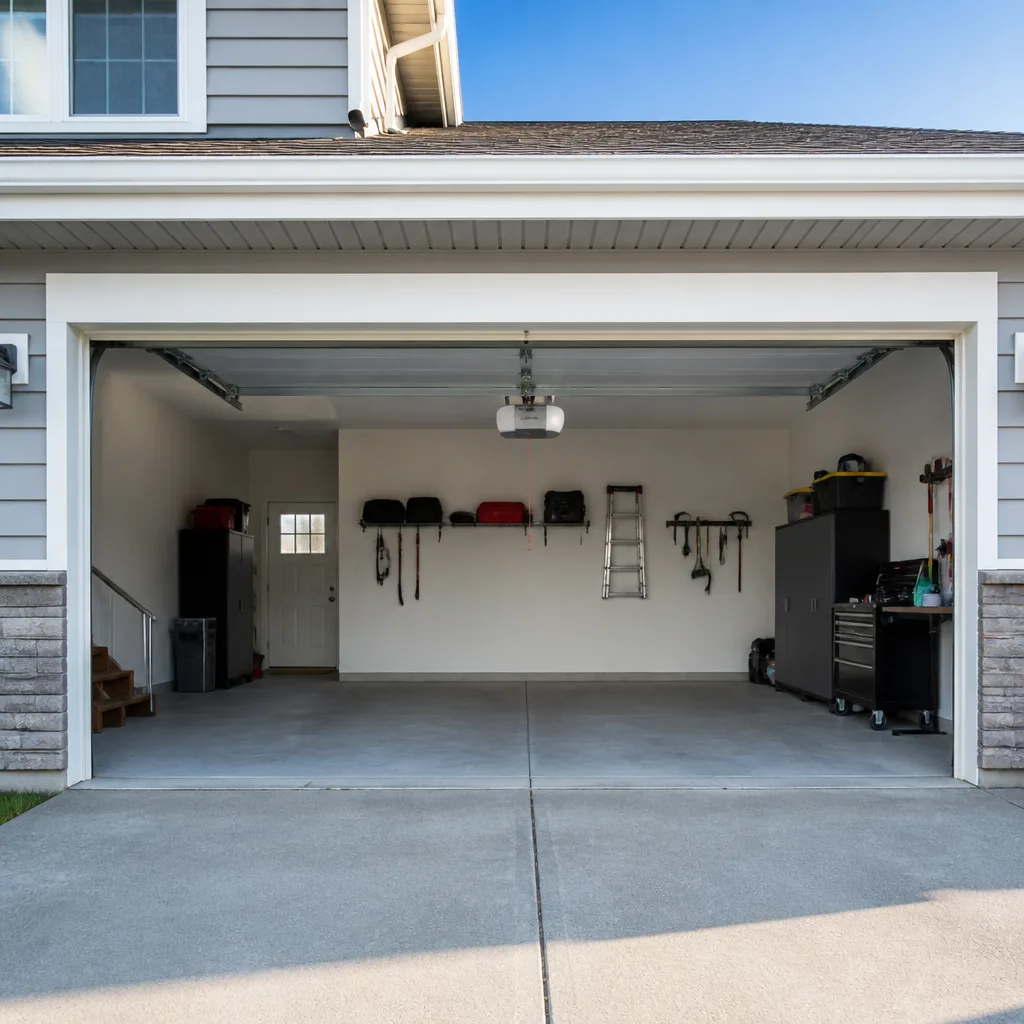 LiftMaster openers
Full 25-point door and opener safety check with every visit - springs, cables, rollers, tracks, and your LiftMaster or Chamberlain opener included
You get a price before we start. It does not change when the truck arrives.
Get your free estimateChamberlain Roller Replacement: The New York Owner’s Guide
Chamberlain roller replacement in New York typically runs $130 to $260, parts and labor included, and we stock compatible rollers for most Chamberlain, LiftMaster, and Craftsman models on our service vans. Most roller jobs are done in under an hour, so if your door is grinding, jerking, or shaking on the way up, there’s a good chance we can have it running smooth today. The part that fails first on almost every Chamberlain door in this city isn’t the opener motor or the springs. It’s the rollers, and the symptoms are usually loud enough that people assume the whole opener needs replacing when it doesn’t.
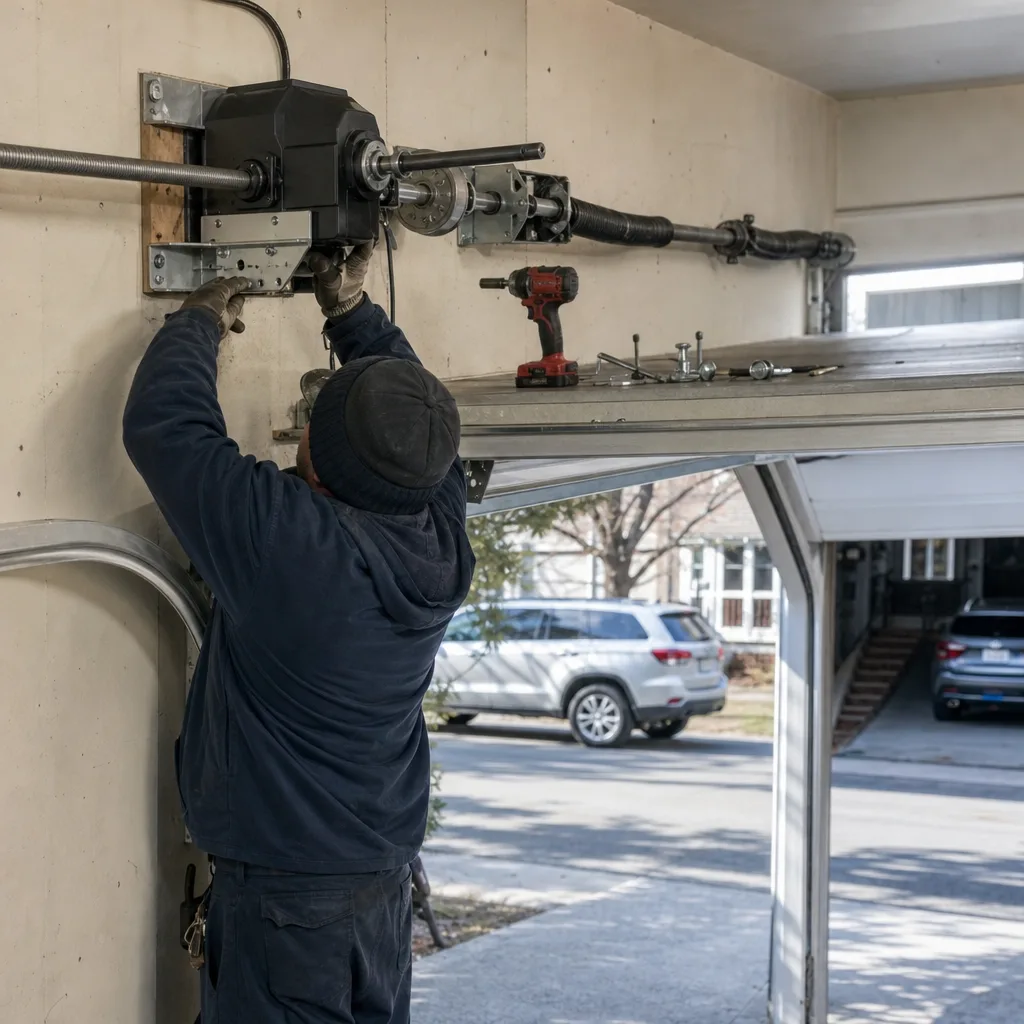
Here’s the thing about New York garage doors specifically: humidity from the harbor air, winter salt tracked in from the streets, and the sheer number of cycles a city door runs in a year all shorten roller life. A suburban door might open twice a day. A New York garage attached to a building with multiple tenants? Eight, ten, twelve cycles daily, every day. Rollers don’t quietly degrade forever. They announce themselves.
Marcus Ellery has been pulling apart Chamberlain assemblies for over two decades, and the failure pattern is consistent: nylon roller wheels chip, the ball bearings inside seize, and the door starts fighting its own track. What sounds like “the opener is dying” is often four or five rollers that should have been swapped two years ago.
Which Chamberlain Models This Applies To
Chamberlain has been manufacturing garage door openers and components since 1968, and their roller specifications have stayed remarkably consistent across product lines. Most Chamberlain residential door systems use either a 2-inch or 3-inch roller with a 7/16-inch stem. The primary compatibility gotcha we see in New York: older Chamberlain installations from the 1980s and 1990s occasionally run 4-inch rollers on heavy wood doors, and those are not interchangeable with the 3-inch size. If you order the wrong size online, it won’t seat properly in the hinge, and a roller that rides loose in its track wears the hinge tube oval.
Here’s the practical rule we use in the field: measure the diameter of the wheel on the roller you’re replacing. 2-inch rollers are common on newer lightweight aluminum and steel doors. 3-inch rollers handle heavier sections and high-cycle use. If you’re unsure, we confirm the spec during the free estimate, because a mismatched roller is worse than no roller at all, and we’d rather spend two minutes measuring than an hour correcting a homeowner’s online order.
On the OEM versus aftermarket question: Chamberlain OEM rollers are solid, but there are quality aftermarket options that match or beat them. We typically install nylon-wheel rollers with sealed ball bearings, which run noticeably quieter than the OEM steel wheels on older Chamberlain doors. The nylon also resists the corrosion that steel wheels pick up in New York’s damp garages. Chamberlain’s newer models ship with nylon rollers from the factory, which tells you the direction the manufacturer itself moved.
We’re an independent service provider, not affiliated with Chamberlain. That’s worth saying plainly. It means we can be honest about when an OEM part is the right call and when a better aftermarket equivalent exists for less money. We also stock rollers compatible with LiftMaster and Genie systems, so if you discover a second door in the building needs attention, it’s probably covered on the same visit.
Styles & brands we work with
Signs Your Chamberlain Roller Replacement Is Failing
Rollers rarely fail silently. Here are the five symptoms we hear most often on service calls across New York, and what each one means mechanically:
- Grinding or squealing during travel. The ball bearings inside the roller have lost lubrication, or the bearing cage has cracked. The roller is no longer rolling, it’s dragging. Continued use scores the track and accelerates wear on every other roller.
- The door jerks or stutters mid-cycle. One or more rollers has seized entirely. The opener motor compensates by briefly increasing force, which is why the door appears to “jump” at a specific point. The seized roller is also wearing a flat spot into the wheel, which makes the ride irreversibly rough.
- Metal-on-metal scraping at the sides. The nylon wheel has worn through and the roller’s internal steel hub is now contacting the track directly. This is common on older Chamberlain rollers in New York because the nylon compound degrades faster in humid, salt-exposed garage environments.
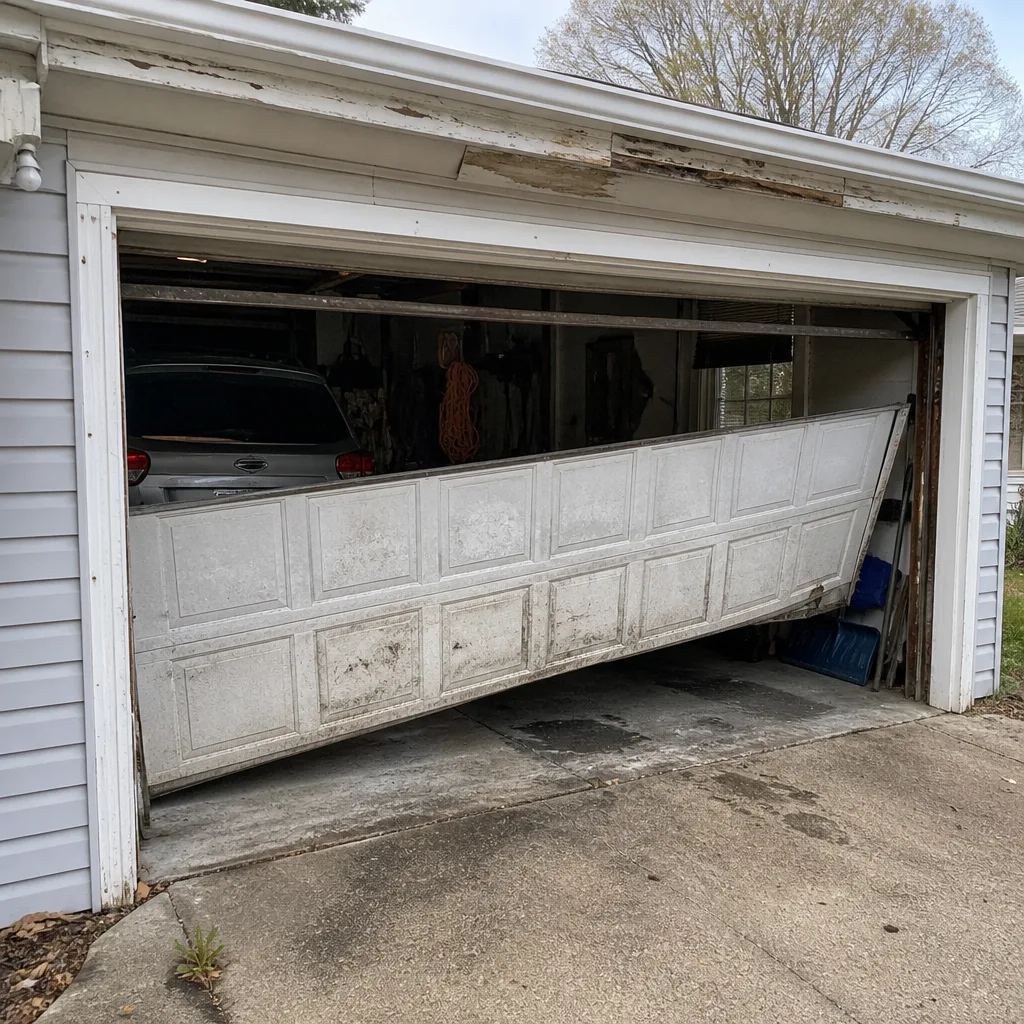
- The door leans or sits visibly uneven in the frame. A roller that has parted from its stem, or a stem that has pulled out of the hinge tube entirely, means the door is now running with one fewer anchor point. This is not typically a single-roller fix by this stage, but catching it early can prevent a door from binding hard enough to bend horizontal track.
- Shaking or rattling that gets worse as the door opens. As the door transitions from vertical to horizontal track, the weight shifts. Worn rollers with loose bearing tolerances amplify that shift into visible vibration. The door isn’t falling; it’s telling you the rollers are done supporting it evenly.
If you’re hearing any combination of these, the rollers are the cheapest part of the assembly but the most damaging when ignored. Every cycle with a bad roller grinds track, stretches hinges, and forces the opener to work against friction it wasn’t designed for.
See the difference
 Before
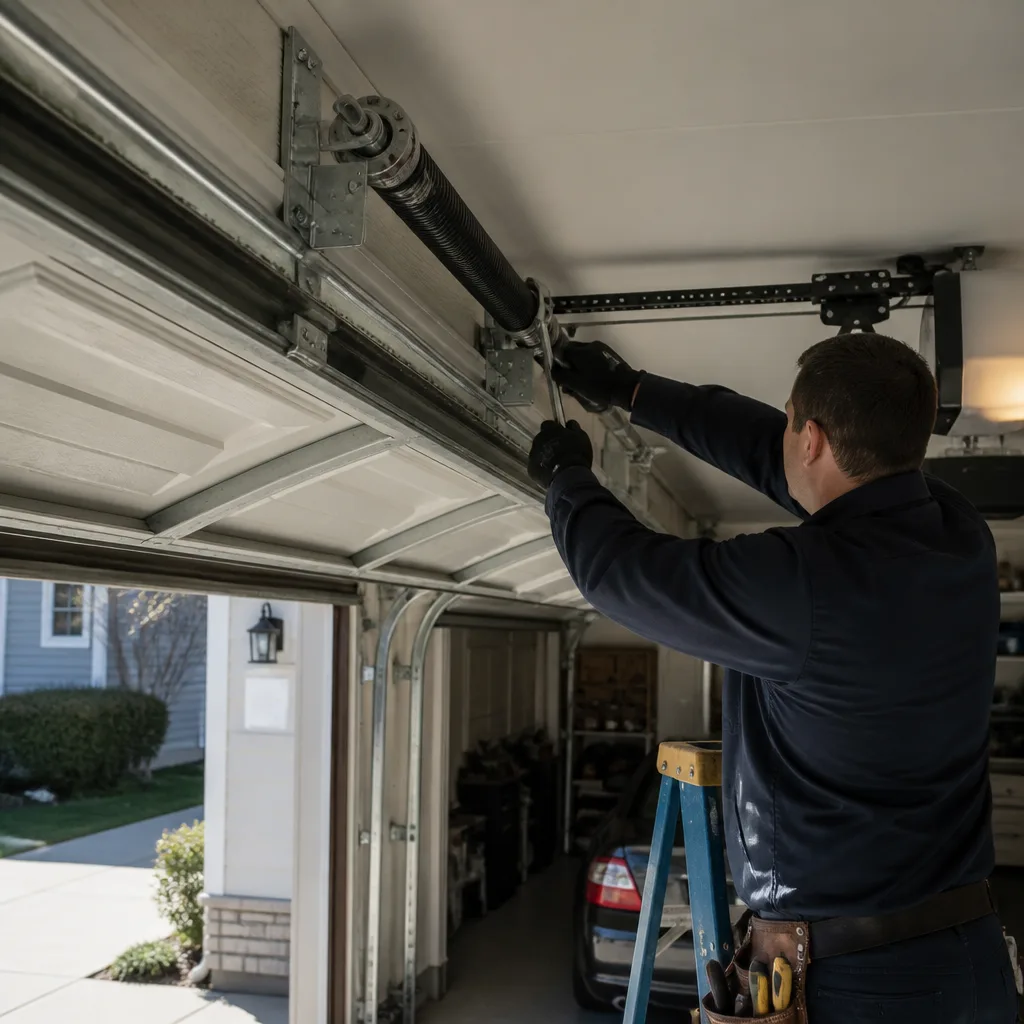 After
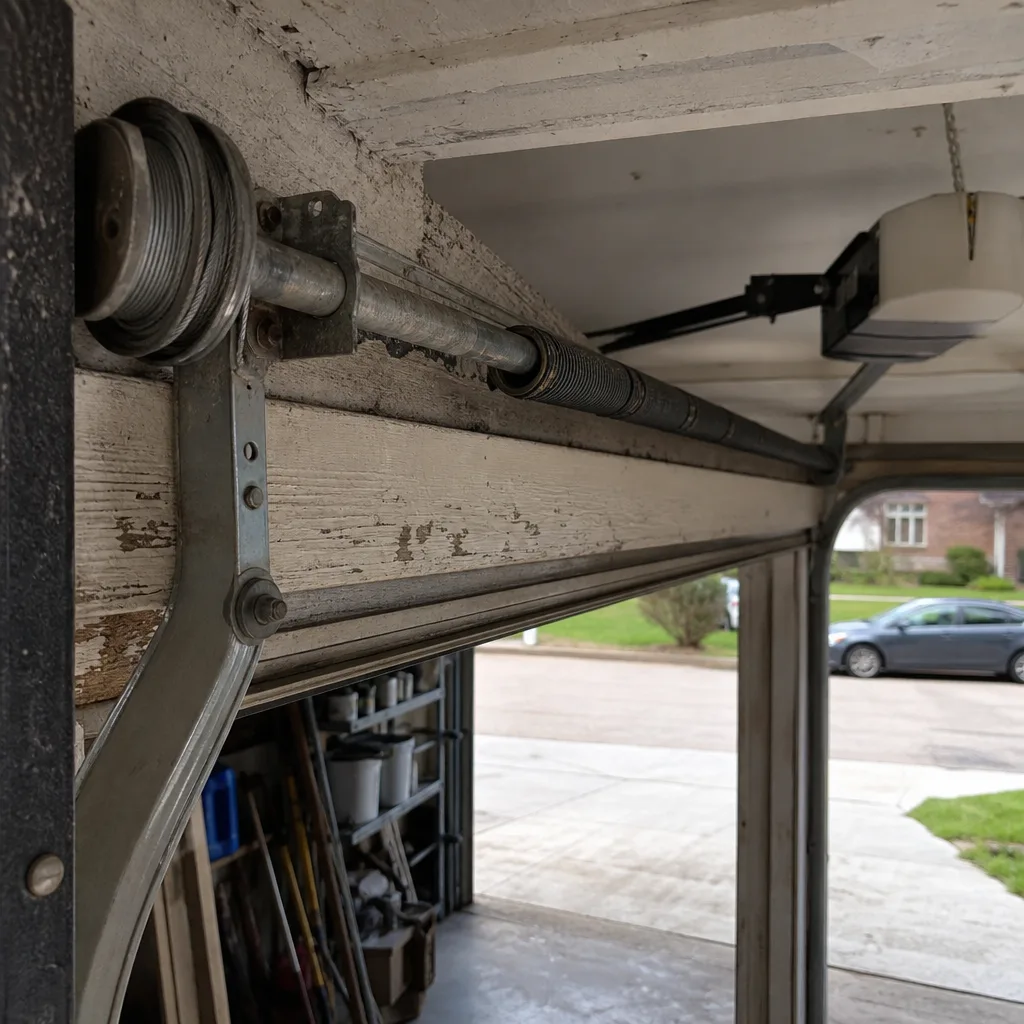 Before
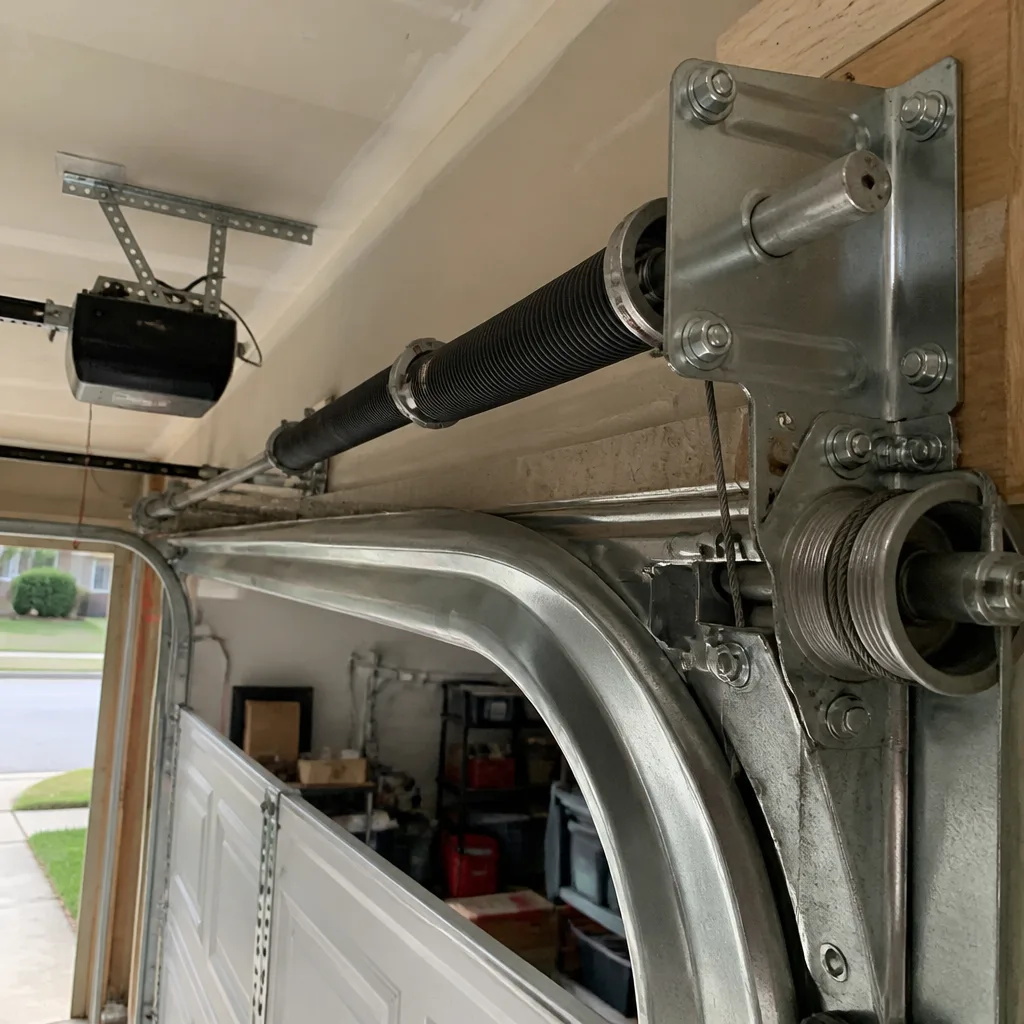 After
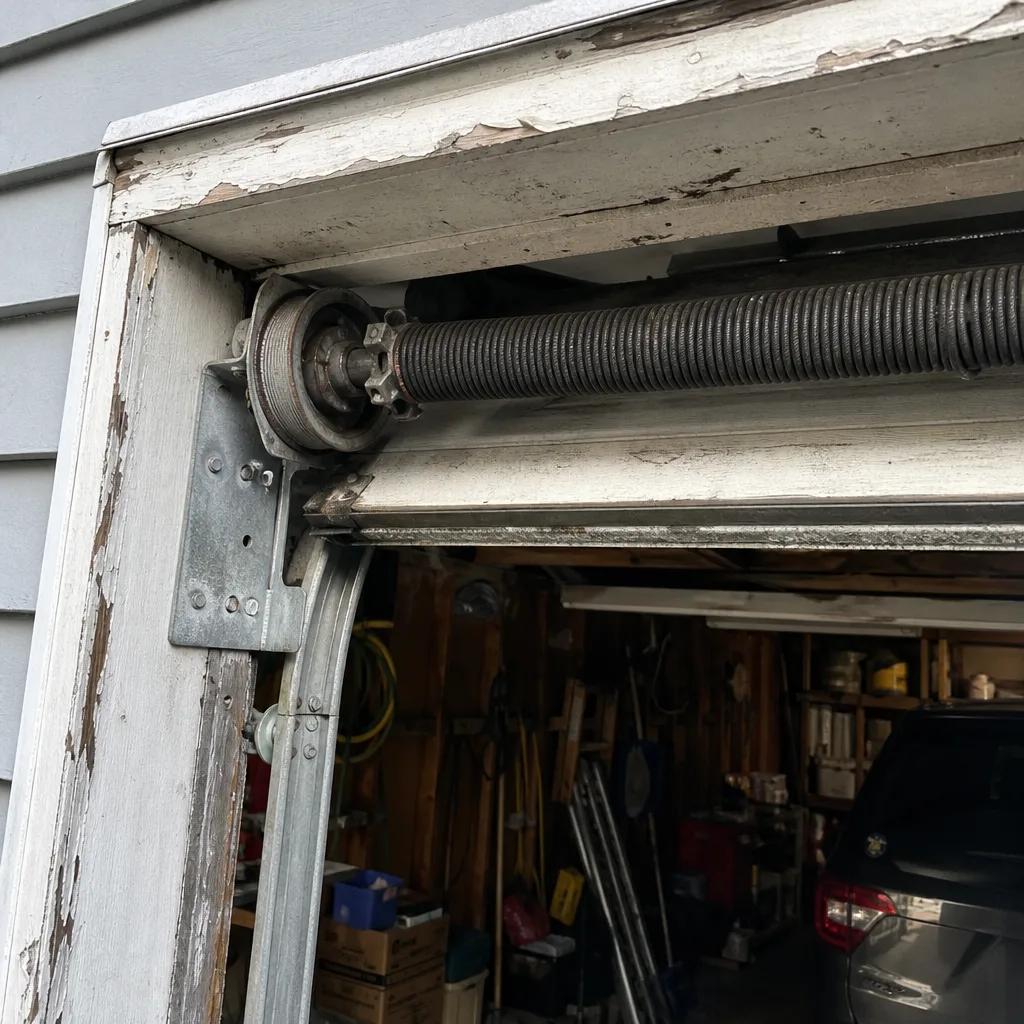 Before
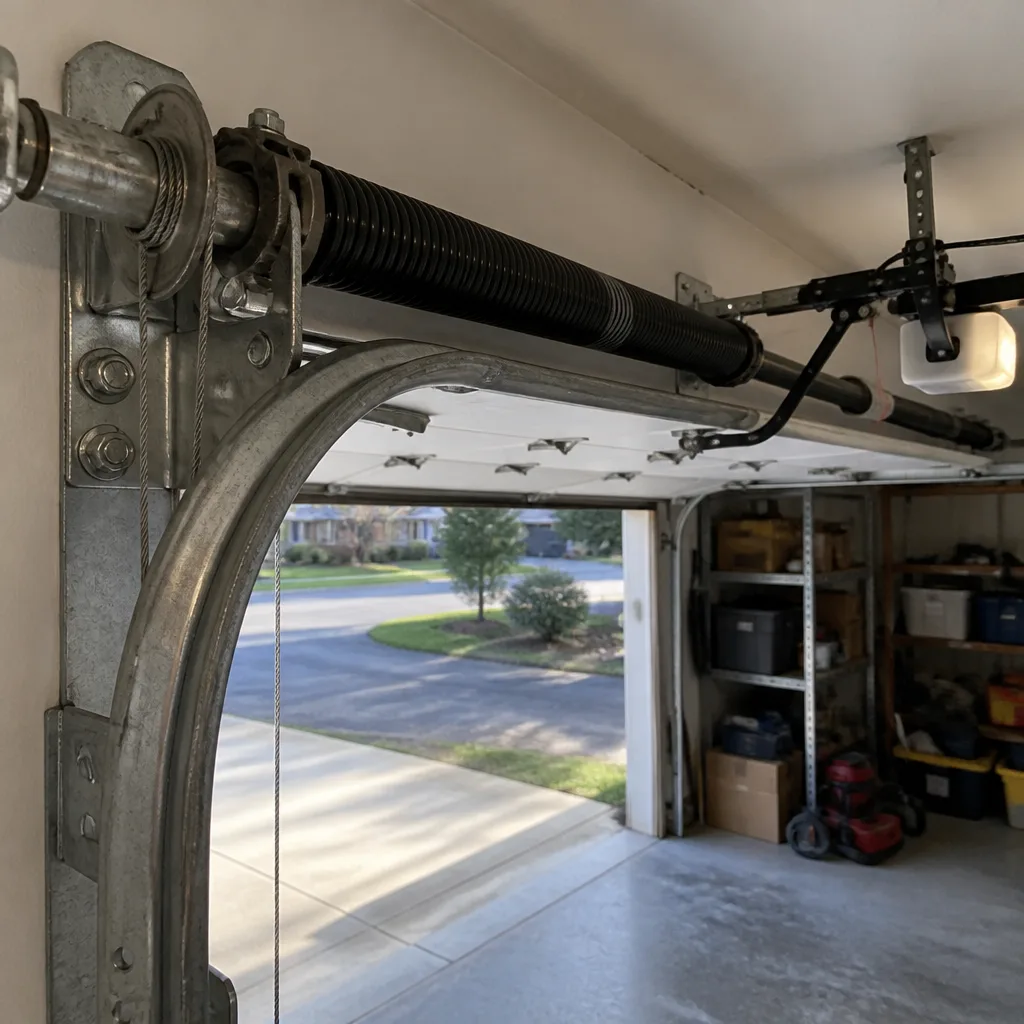 After
Replacement Cost & What’s Included
Chamberlain roller replacement in New York runs $130 to $260 fully installed. That includes the rollers themselves, labor, and a written guarantee on the work. The range comes down to three factors: how many rollers we’re replacing (a partial set versus all of them), whether the door takes the common 2-inch or 3-inch size, and whether the existing hinges or track need any correction while we’re in there.
Here’s the honest math we give people before they commit: a full set of quality nylon rollers for a standard Chamberlain residential door costs roughly $40 to $80 in parts. Labor is typically 45 to 75 minutes. The remainder of the range covers the service call, the inspection, and a check of the track alignment, hinge torque, and balance after the swap. You’ll hear the exact number before we start, in writing, and that number does not change at the door. That’s how we’ve run things under the Kingswell standard since 2001.
Every roller replacement includes the 365-Day Done Right Promise: if a roller we installed fails within the guarantee period, we return and correct it at no charge. That commitment is in writing on every job. No asterisk, no fine-print exclusion for garage use, which is the whole point of a garage.
DIY or Call Us?
Replacing garage door rollers is not in the same danger category as touching a torsion spring. The rollers sit in the hinges behind a track, and with the door in the fully open position, most of the tension is off the system. What makes DIY roller replacement go wrong isn’t the danger so much as the sequence. The bottom roller on each side sits directly attached to the bottom bracket, which is under cable tension. If you unbolt that bracket without securing the cable, the cable unwinds and now you’re holding a door section against gravity with a hand that should not be holding a door section against gravity.
And that’s exactly where we’d rather see a New York homeowner make the call. Tell us what it’s doing, and we’ll tell you what it needs. No guesswork, no runaround. If you’ve already tried to swap rollers and the door is now partially disassembled, that’s fine too. We’ve yet to see a garage door we couldn’t put back on track, even if the homeowner’s first attempt ended with the door wedged at a forty-degree angle and a question mark where confidence used to be.
FAQs
Nylon rollers on a Chamberlain door in New York typically last 7 to 12 years depending on cycle count. In high-traffic garages with 8+ cycles per day, that drops to 5 to 8 years. Steel rollers last longer structurally but run rougher and noisier. Call (585) 669-6563 and we’ll inspect your rollers during a free estimate and tell you exactly where they are in their service life.
No. Once the wheel is chipped, the bearing is seized, or the stem is loosened, the roller is a finished part and repair is not a thing. The cost of replacing a single roller is low enough that patching one makes no sense on any door in New York. Call (585) 669-6563 for a free estimate and we’ll explain exactly what’s on the invoice.
A full roller replacement on a Chamberlain door takes 45 to 75 minutes in most New York garages. If the track or hinges need adjustment, it can run up to two hours. We quote the price before work starts, so you know the number before we lift a wrench. Call (585) 669-6563 to schedule a visit.
Yes. Our vans carry 2-inch and 3-inch nylon and steel rollers compatible with Chamberlain, LiftMaster, and Genie residential doors, along with the hinge hardware and track fasteners most jobs require. If your door needs the less common 4-inch size, we can usually have it same week from our parts supplier. Call (585) 669-6563 and we’ll confirm what’s on the truck before we head your way.
Written by Marcus Ellery, Owner & Lead Technician, Bramwell Garage Doors New York at Bramwell Garage Doors New York, serving New York and nearby areas.